Introduction
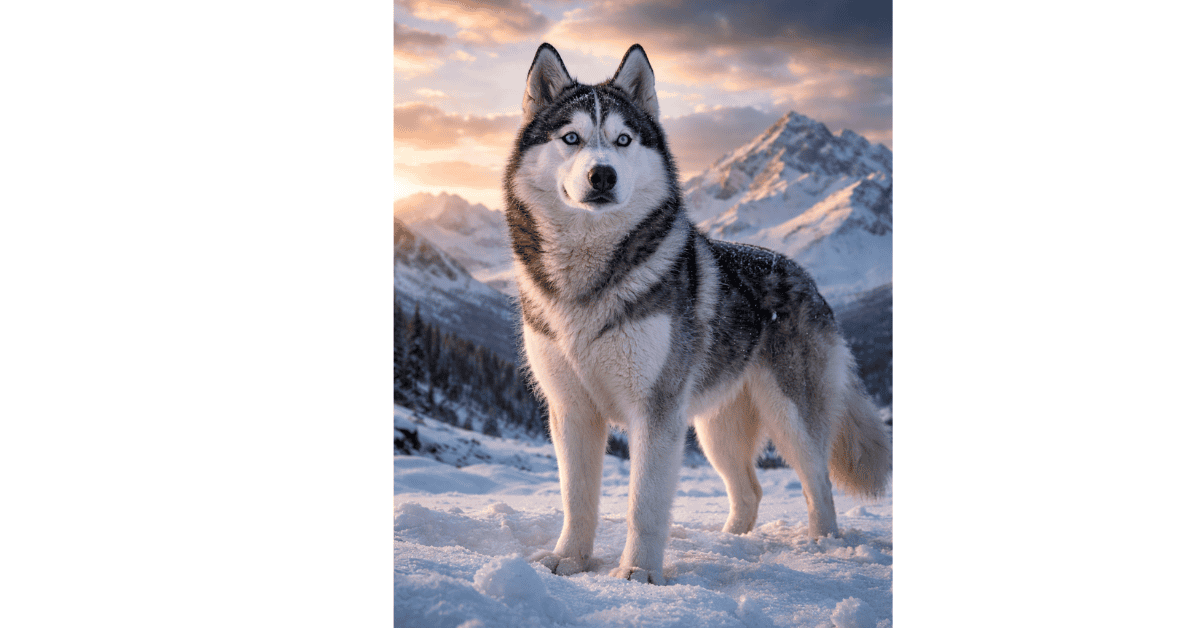
The story of the Siberian Husky is a tale of survival, stamina, and steadfastness. This beautiful and colourful breed did not start as a lap companion. It started out as a pack dog in one of the coldest places on the planet. Understanding the Siberian Husky history – why the Siberian Husky is so robust, bold, and friendly today.
With the passage of time, along with its speed and stamina, the Siberian Husky also became famous for heroic deeds performed in various places around the world. From the frozen tundras of Siberia to welcome hearths around the world, this breed has come a long way. These facts about the history of the Siberian Husky from ancient Arctic life to global stardom will inspire and better inform dog lovers.
Ancient Roots in Siberia
Early Huskies & the Chukchi People
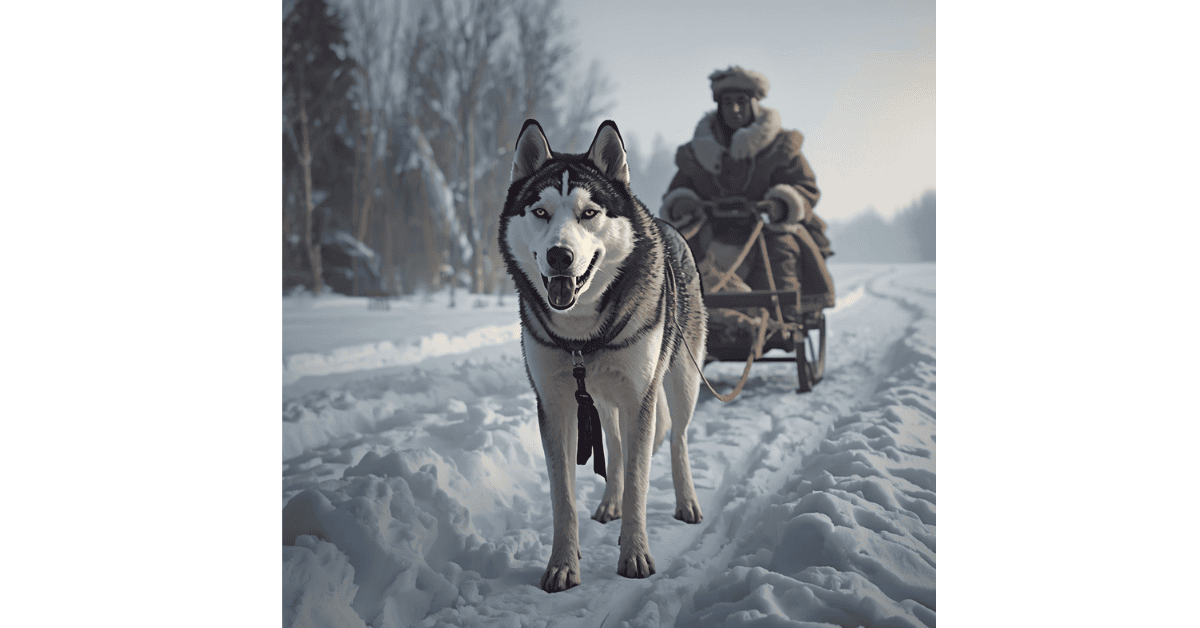
The history of siberian husky is mainly attributed to the Chukchi people, a native tribe living in Siberia’s northeastern region. Life for the Chukchi was bleak , and survival in this harsh Arctic environment depended on cooperation and cunning. With a delicate touch, they bred dogs strong, fast , and gentle.
Those early Huskies were more than working dogs. They were part of the family. The Chukchi used them to sled across snowy ground. They also knew that they could be trusted to stick around children and keep them warm if the night turned freezing. “If you think about how they have been selectively bred, so that only the friendliest and most reliable dogs were allowed to survive and reproduce… It’s probably more surprising that the remaining breeds are not uniformly friendly than that they are. It was this conscientious breeding that developed the nerve and strength that characterize the breed today.
Life in Extreme Cold
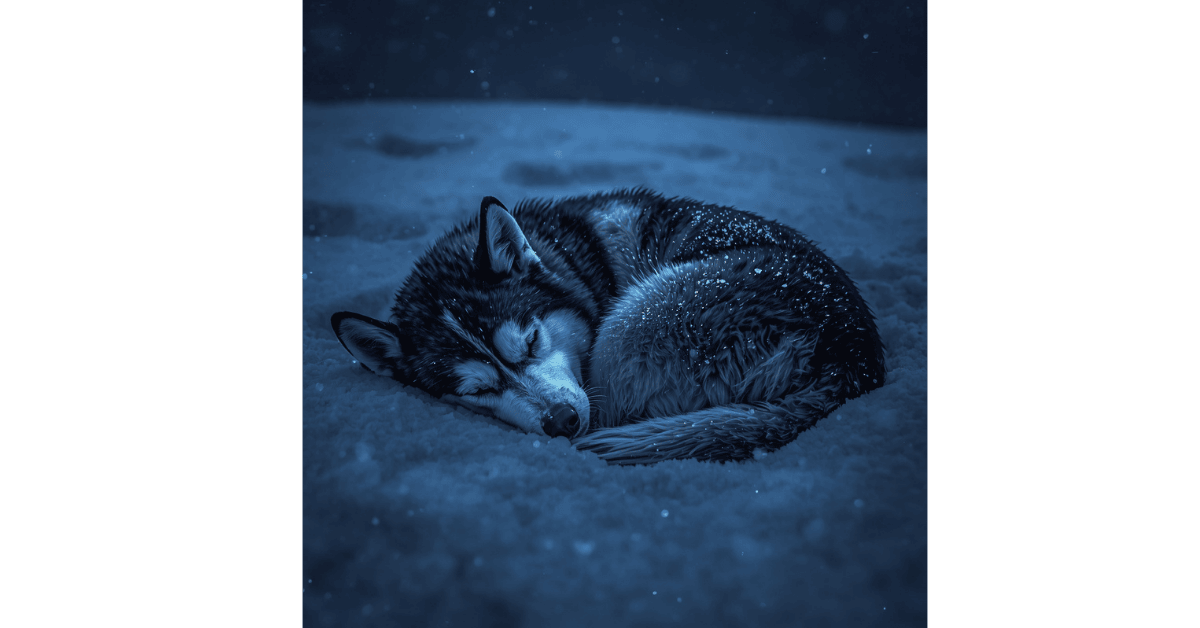
The climate of Siberia is another significant part of the history of siberian husky. The area faces long, dark winters and very low temperatures. For their own survival, Huskies needed to evolve body traits that would fend off the cold.
They have heavy double coats that keep them warm in even the coldest of weather. They can sleep with their bushy tail over their nose and face. Strong legs and a compact body make it easy for them to patrol the snow. Not only were their bodies shaped by the harsh conditions, but so too was their ability to endure and mental toughness. The harsh environment of the place made them resilient, hardworking, and flexible dogs.
Development as a Sled Dog
Selective Breeding for Endurance
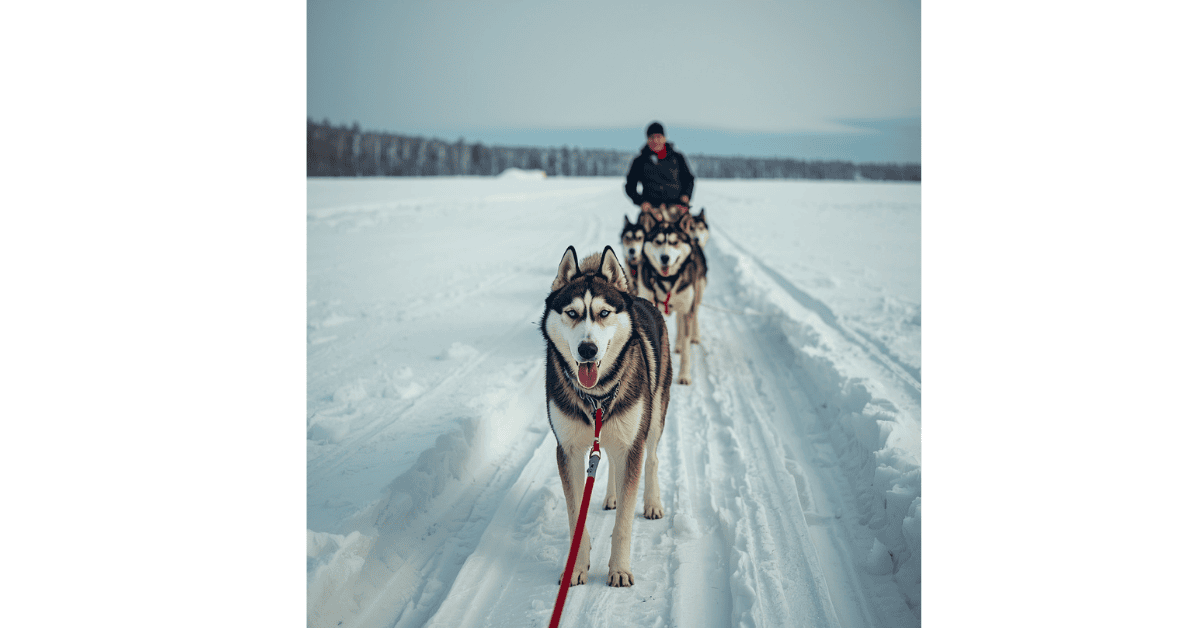
The past of the Siberian Husky proves that this was a well-thought-out breed for travelling long distances. Endurance mattered more than size to the Chukchi. They wanted dogs that could run for long distances without getting tired.
Teamwork was very important. These dogs had to work as a team, without fighting. Dogs exhibiting docility and compliance were selected for reproduction. This is why today Huskies are highly social and friendly, not aggressive. Through generations of this thoughtful selection, a type of dog was developed that could travel long distances at an even pace and remain strong and alert.
Role in Daily Survival
In the far flung arctic, the Husky was a necessary part of daily life. But the history of the Siberian Husky shows that things wouldn’t have been easy without these dogs. They dragged sleds full of food, supplies , and tools over hundreds of miles of frozen land.
They also assisted hunters who carried meat back to their villages. People had no roads or vehicles, so sled dogs were the primary mode of long-distance transportation. Families relied on them for rides and safekeeping. Humans and Huskies bonded as they depended on each other every day.
Destination Alaska and North America
The Gold Rush Era
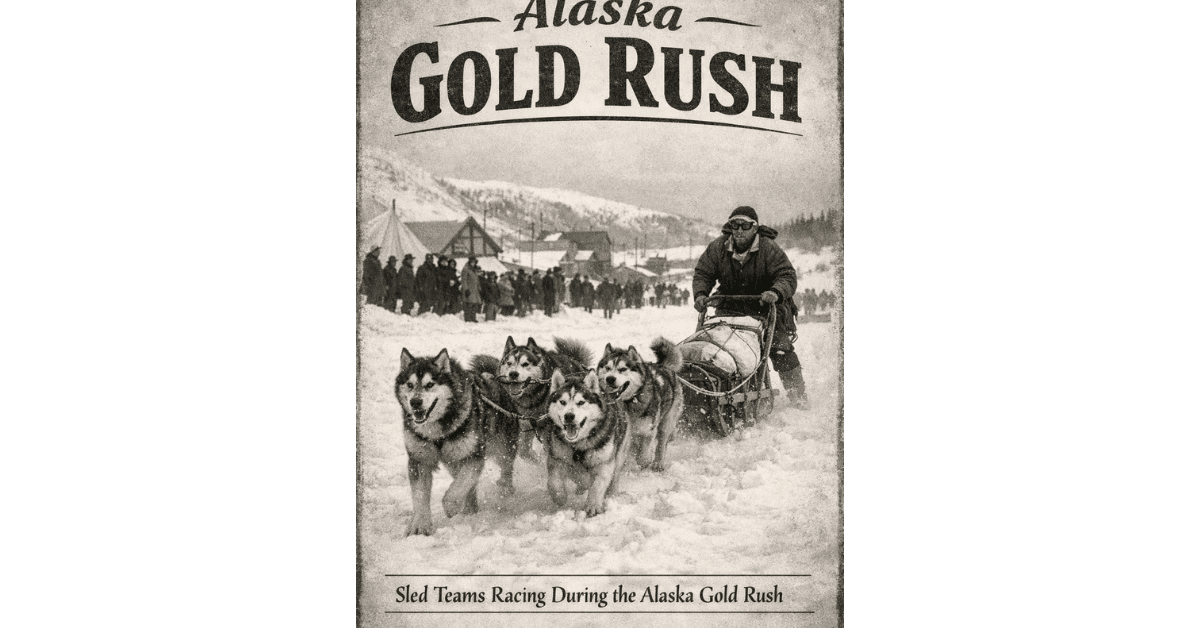
The history of the Siberian Husky did a 180 during the Alaska Gold Rush in the late 1800s to early 1900s. Tens of thousands went to Alaska looking for gold. They wanted dogs who could pull sleds across snowy terrain.
Siberian Huskies were brought to Alaska from Russia. At first, they were not believed to be able to pull sleds because they were smaller and weaker than other sled dogs. But they soon demonstrated that they were faster and had better endurance. They were also a favorite with flighty mushers during the gold rush for their endurance.
Rise in Sled Dog Racing
Sled dog racing was largely responsible for bringing the history of the Siberian husky throughout North America. Races such as the All-Alaska Sweepstakes illustrated how fast and dependable they were.
Trending stories, celebrity news, and all the best of TODAY.Sled dogs like huskies would frequently beat out teams of larger breeds due to stamina and teamwork. Their reputation blossomed with every race they won. They quickly gained a reputation as elite sled dogs. Success in racing and other dog sports also helped the breed gain recognition — and indeed respect — far beyond Alaska.
The 1925 Serum Run and World Fame
The Life-Saving Mission
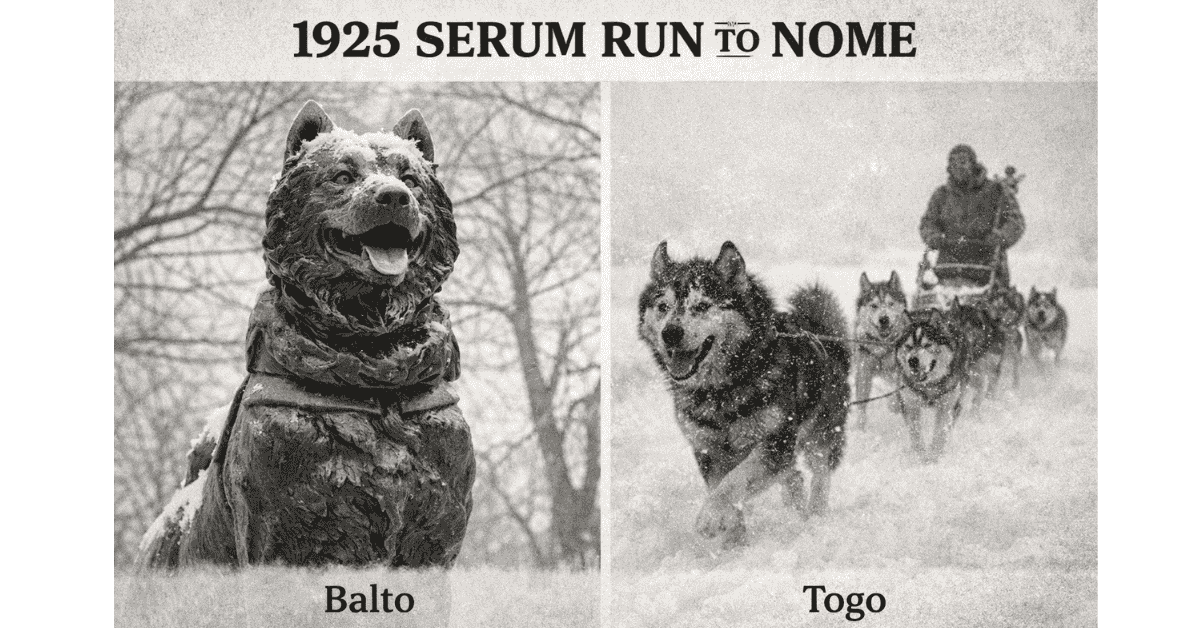
One of the most amazing moments in Siberian Husky history occurred in 1925. An epidemic was threatening to lay waste to the town of Nome, Alaska. Medicine had to be brought in fast, but extreme winter weather made flying impossible.
The medicine was ferried to Nome by sled dog teams over nearly 700 miles of frozen wilderness. Siberian Huskies were featured in the mission. Dogs like Balto and Togo were celebrated as heroes for leading their teams through blizzards and freezing temperatures. Their courage saved many lives.
Worldwide Recognition
Newspapers around the world picked up on the mission once it was complete. The Siberian Husky certainly became internationally famous. Statues were erected, and the dogs received accolades for their bravery.
This event reshaped the breed’s future. It was no longer simply a sled dog of the Arctic. It transcended borders and became a worldwide symbol of strength, commitment, and determination.
Breed Recognition and Formal Standards
Early Breed ClubsEarly Breed Clubs
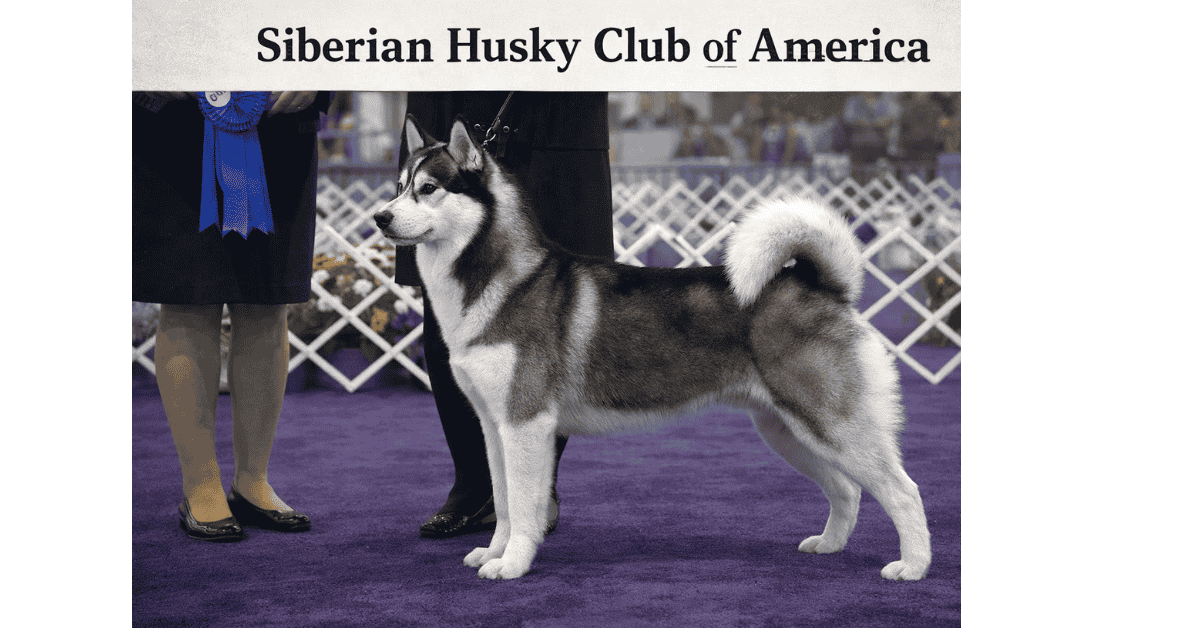
With the breed’s surge of popularity, these organizations endeavored to protect their traits. The Siberian Husky Club of America was created for the preservation of breed standards.
These clubs established standards for appearance, temperament, and conformation. Their aim was to preserve the Siberian husky as a working dog with the same personality were affiliated with this fascinating breed. Selective breeding contributed to the protection of the breed’s health and character.
Official Recognition
Finally, the major kennel clubs accepted the Siberian Husky as a breed. This distinction made it possible for Huskies to participate in dog shows and competitions. It also established explicit criteria for size, coat type, and behavior.
Formal recognition of the Siberian Husky meant that history would be preserved and revered. It helped “preserve the characteristics that made the breed unique in its inception.
From Working Dog to Home Companion
Changes in Modern Times
With advances in technology, most of the sled dog teams were replaced by machines. The use of snowmobiles decreased the requirement for sled transport. But the Adventures of the Siberian Husky were not over – now they took a different direction.
Rather than labouring daily in Arctic areas, most Huskies were turned into domesticated pets. Their looks and animated personalities drew dog enthusiasts from across the globe. Also, even though their work was different, the need for exercise and activity was still high.
Temperament That Won Hearts
The social nature of the Siberian Husky also contributed to it being a popular breed. From the history of the Siberian Husky, we see that mild disposition was a factor in breeding from the very beginning.
Their spirited, playful, and sociable nature scored all the way. They are friendly toward people and usually do well with families. Their wolfy look and loving nature make them special dogs. These traits have allowed them to cross frozen trails and enter warm homes around the globe.
The Siberian Husky Today
Still a Working Dog
Even today, the siberian husky history lives on in sled racing and snow sports. Huskies are still employed for sledding and adventure tourism in cold countries. They are tough and they stick together.
Sled dogs are favored for these kinds of long-distance races because they’re dependable and full of vigor. Even today, their work ethos hasn’t vanished.
A Loved Family Breed
Meanwhile, Siberian Huskies have become beloved family pets. They do best in homes that focus on regular exercise, training, and attention. Learning about the Siberian Husky’s past can help you cater to their needs effectively.
They are not lazy dogs. They are scions of an Arctic proletariat. Given attention, exercise, and direction, they are devoted and happy companion dogs.
Key Takeaways Sums up the history of the Siberian Husky
The Story of the Siberian Husky The tale of this canine hero begins in the bitter cold of Siberia with a hardy people called the Chukchi. Their extensive cross-breeding produced a tough, hardy, and good-natured sled dog. The breed earned its stripes in Alaska, on the sled racing circuit, and during the 1925 serum run that became a heroic tale.
As recognition became official over time, the breed maintained those characteristics and was accepted into homes around the world. From Far North Arctic life to today’s companionship, the history of the Siberian Husky embodies a journey of loyalty, companionship, and strength-click here partnership with their owners.
Passionate WordPress blogger sharing clear, helpful guides, simple tips, and practical ideas to help readers learn, grow, and succeed online.