Introduction
Picking a dog isn’t just about being fond of the way a certain breed looks. It is about identifying the dog’s nature, energy level, maintenance requirements, style of training, and how they will integrate into your lifestyle. The Border Collie, while undoubtedly one of the most intelligent and active dog breeds on earth, may not be the ideal breed for every household. This breed attracts many due to its beauty, devotion, and quick intelligence, but few people realize what time, patience, and activity it needs every day. Is the Border Collie Right for You? Use This Guide to Decide by describing the breed affordably, straightforwardly and transparently.
What Is a Border Collie?
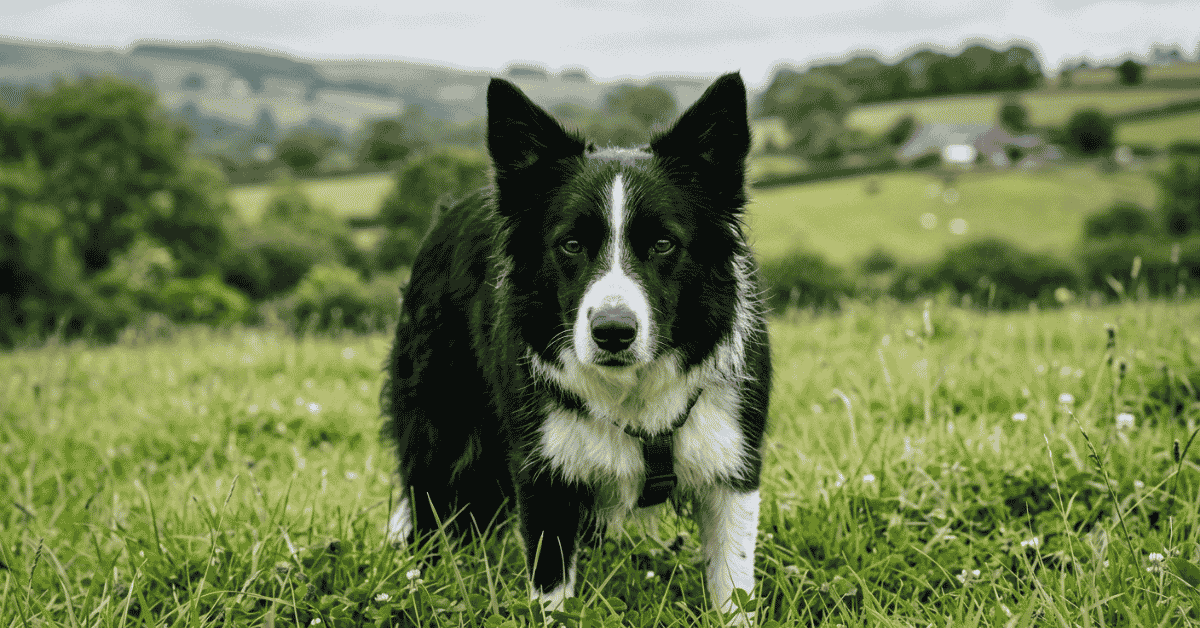
The Border Collie is a medium-sized herding dog recognised most for its intelligence, speed, and effort in its focus, as well as working instinct. Originally bred for working with sheep and helping farmers with stock control, this historical background makes the Border Collie very attentive, versatile, and active. They are not tired house dogs, laid-back, lazy dogs that love lying around all day. They need a job, organization, and repeated activities. What people are asking: Is the Border Collie Right for You? The answer to that is largely based on whether you can ensure adequate exercise, training, and mental stimulation for this highly intelligent breed of dog.
Breed Overview
Generally medium-sized, the Border Collie has a powerful yet agile body ideal for speed and stamina. Sunny, alert expression & a very keen gaze, particularly when watching something moving. They have both rough and smooth coats, in a variety of colors, though black & white is the most well recognized. These are active dogs, and they have a lot of stamina, which means they can run, play, train & work for long periods of time. Temperamentally, they typically are devoted, intelligent, sensitive, and full of energy. But they are to be dealt with, because, if left without proper guidance, their intelligence can turn into unwanted behavior.
History and Purpose
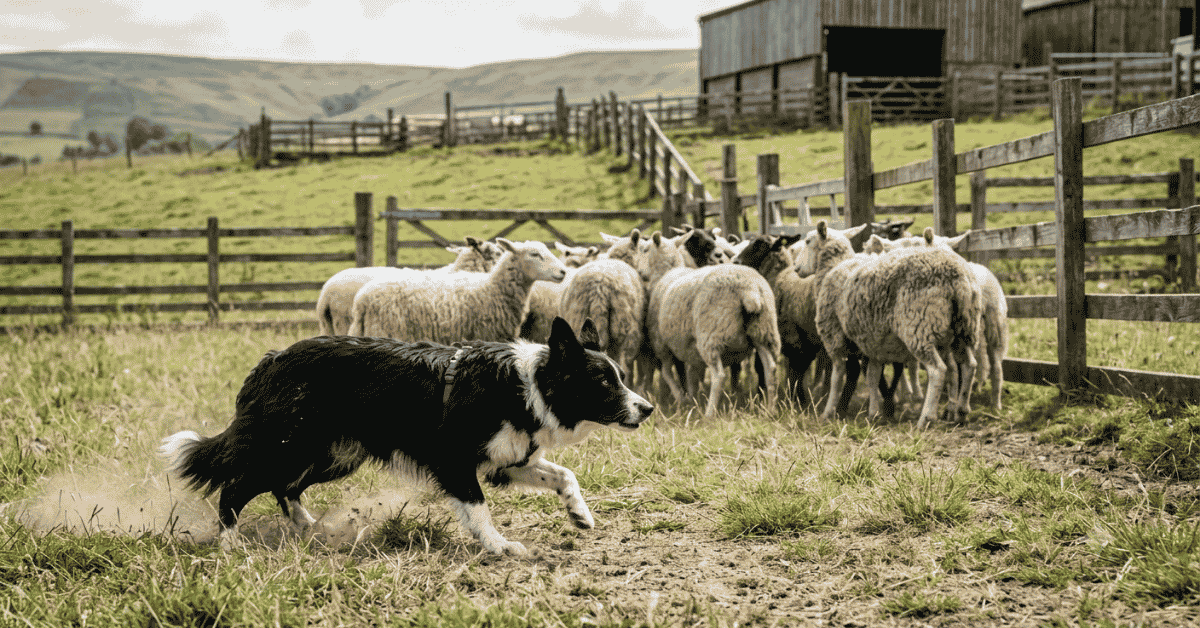
The Border Collie was designed as a hard labor dog necessary to control sheep on wide ranges of challenging land near the border areas around England and Scotland. Eventually, the breed became notable for its herding skills; specifically, pin-point focus and controlling movement. Border Collies do not herd with barking or using sheer force as some herding dogs do, but rather with the power of eye contact and body position combined with quick movement to drive livestock. The influence of that working background on the breed remains strong. If you have one of those, even a purely family pet Border Collie may attempt to herd children, other pets, bicycles, or moving objects. Take this history into consideration before even asking the question Is the Border Collie Right for You?
Border Collie Personality
A Border Collie is not for everyone — its personality can be great for the right person, but awful for the wrong one. Generally a devoted family dog, it usually learns quickly and is very eager to join in the day’s activities. But Border Collies are also intense dogs. If you let these guys notice something and react to it, it can put them on red alert, and they require more attention than the majority of other breeds. They are not for everybody and do better with owners who love training, outdoor activity, and structure. The Border Collie is probably the most intelligent dog you can get, but a bored one will become restless, noisy, destructive, or anxious. They are not difficult, but they will take some understanding and dedication.
Intelligence
Border Collies are often cited as one of the most intelligent dog breeds out there. They are quick to learn commands, understand routines, and solve problems very quickly. This intelligence makes them great at performing obedience commands, agility challenges, herding work, trick training, scent work, and performance in advanced dog sports. But intelligence also means they can learn bad habits as quickly as good ones. Border collies will write their own rules if boundaries are not defined. They might ajar the door, preheat your routines … call you or solicit and tease you to amuse them. Smart dogs need smart handling. Training has to be Consistent, fair, and Mentally Stimulating Entertaining to Keep Them Interested
Energy Level
OneounoX Border Collie — Extreme energy. They are not a breed that is content with a quick walk around the block and then hours of chilling. Most Border Collies require running, playing, training, and thinking every day. They love to move and always appear to want more after a long play session. Their energy is not just physical; their mind is at work too. This is what they want to see, observe, and act on. They will often be better matched to owners who like going on long hikes, runs, agility course exercise, etc., and play fetch and work on farms. This breed may be a bit too active for low-activity homes.
Loyalty
Border Collies are normally very loyal to their owners and generally develop a close link with their family. They tend to participate in what their people are attending to and can shadow as they move room-to-room. This loyalty can also make them great companions for owners wanting to develop a close bond with their dog. On the other hand, though they are attached, it means that they cannot really cope with being left alone for several hours every day. Lack of time, exercise, and training in independence can lead to separation-related stress for the Border Collie. This loyalty is extraordinary and should be handled with the best care.
Sensitivity
Border Collies are sensitive dogs. More than this, they tend to be reactive towards tone of voice, body language, changes in routine and household stress. Flame-bright rebuke or bellowed discipline could rattle them, confuse them, even erode their belief in themselves. They usually respond well to positive incentives, patience and a calming voice. They are extremely perceptive animals and can read owner emotions immediately. They are very connected companions due to this sensitivity; however, this also means they require a stable and benevolent environment. Border Collie, is it for you? Ask yourself if your home can offer calm leadership, consistent rules, and gentle training.
Exercise Needs
The biggest contributor as to whether or not a Border Collie is right for you or your lifestyle is exercise. By design, this breed was developed to endure hours of working time; therefore needs more activity than your pet dog generally would. Exercise doesn’t have to only be physical activity; it can and should include mental work. When exercised regularly, a Border Collie is attentive, eager, and easier to control. If it is not exercised strongly a Border Collie can become frustrated and difficult. Exercise should not be considered optional for owners. Daily exercise is a necessity for this breed, just like food, water, and sleep.
Daily Physical Exercise
Most of the time, a sound, grown, homegrown Border Collie will require loads of activity every day. It could be long walks, running, fetch, hiking, agility exercise, swimming, or vigorous activity. Otherwise, simple walking will not be sufficient for many owners unless incorporated with training or off-leash running in a protected area. Exercise releases energy and is essential for muscle health, weight control, and emotional regulation. Large Breed Puppy: Young canines require workouts modified for their age, as too much high-impact activity may place strain on forming joints. However, adult dogs require ongoing outlets. This breed can become very challenging to handle if your daily routine is active and already packed.
Mental Stimulation
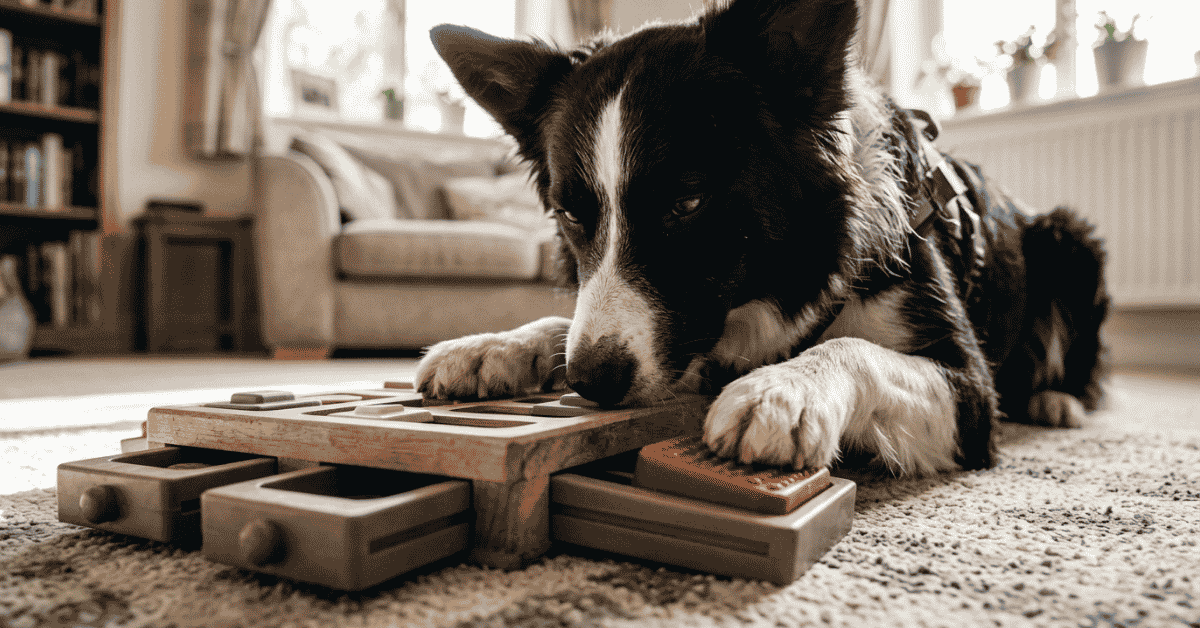
Border Collies also need mental stimulation just like they do physical exercise. They need mentally stimulating activities because they are very intelligent. Puzzles, obedience, scents, hide-and-seek, tricks, herding-style games, and using their brains will keep them busy. A well-exercised dog is usually a chill dog. A Border Collie without a great deal of mental stimulation will entertain itself by chewing, digging, chasing shadows, barking, or just fixating on some movement. Training sessions do not need to be long, but they should be regular. Even finding ten to fifteen minutes in a week to dive into an area with intent is extremely beneficial.
What Happens Without Enough Activity
If Border Collies aren’t active, they can develop behavioral issues very fast. Perhaps they bark too much, chew destructively, dig up the lawn, repeatedly jump on people, chase cars and children, or have anxiety and restlessness. A lot of these issues are not a reflection of the dog being “bad.” More often than not, they are warning lights that the dog is bored and frustrated. This breed requires a creative outlet for its working instincts. This does not exist in a vacuum; if the dog is not given an appropriate outlet, it will find inappropriate outlets. Be true to yourself about your schedule before you bring one home. Your Border Collie requires hours of attention and must be engaged with you every day to keep him or her from becoming out of balance.
Training Requirements
Border Collies require training – it is not optional. This breed demands undeniable communication, structure, and consistent standards. Border Collies are very intelligent and learn quickly—press the right buttons, and they can be wonderful companions. They are typically eager to please and respond well to commands, routines, and challenges. But training should begin early and continue throughout the dog’s life. Border collies will become bored with the same basic commands, so do not repeat them and make training interesting. Priorities for owners: obedience, impulse control, socialization, recall, etc., and leash manners and calm behavior. A trainer starts with that and hones their brains to effectiveness, rather than mayhem.
Easy to Train
Because they are unpredictable and high-energy, Border Collies can be a handful to train; however, once exercised burn off that energy. Border Collies are extremely smart dogs and focus on their owners. They also tend to pick up new commands quicker than plenty of other breeds. But, being “easy to train” does not mean that these dogs are “easy to own.” Even though a Border Collie can pretty much read your mind in no time at all, it still requires repetition and daily training. If the owner is unclear, then the dog will either become confused or take charge. This is a huge advantage for owners who love training, as they learn quickly. For less capable or inexperienced proprietors, a similar insight can be an issue.
Best Training Methods
Positive reinforcement and structured, stimulating training techniques are the most effective for Border Collies. An appropriate breed for reward-based training, since the Tottenhund reacts positively to praise, treats, toys, and play. Shorter sessions are generally better than long, tedious ones. You will want to train simple commands like sit, recall, stay, leave it, leash walking, and settle calm. Also, it is good to condition the dog when to de-plug itself and relax. Your Border Collie can work themselves to death if never given rest. These are sensitive dogs that may have their confidence affected if any harsh methods are used during training.
Common Behavior Challenges

Border Collies often suffer from behavioral issues such as chasing or nipping, herding people, barking and jumping behavior; anxiety; obsessive focus on lights, shadows, wheels or moving objects. These behaviors tend to stem from instinctual hardwiring and high energy. As such, a Border Collie that chases children is often not attacking them but attempting to herd movement. This can be alleviated by early training. Impulse control, calm greetings, reliable recall and appropriate play are very much in need of teaching. In addition, socialization enables the dog to understand normal interactions within a household and outside world. These behaviours are easier to manage the sooner you guide them.
Living Space Requirements
Border Collies can live in different homes, but they need the appropriate lifestyle more than just a large yard. Just having a large yard is not enough when that puppy has nothing to do outside. If you can keep the dog busy, then a smaller home should work just fine. What is the secret to their happiness and longevity? Not just WHERE the dog goes, but HOW the dog spends its day. Border Collies require motion — movement, mental work, and people time. They are typically happiest in homes with plenty of room to roam and owners who interact with them as part of their everyday routine.
Apartment Living
While a Border Collie can live in an apartment, it is not the most straightforward arrangement. The apartment lifestyle is suitable only for a highly dedicated owner who can give his or her dog some daily outdoor action as well as proper mental stimulation and training. If it is not active enough, the dog might bark and make trouble with neighbours. And apartment owners must also hone indoor and on-leash behavior, as well as controlled play. Having things like parks you can walk to safely or competition areas where you and your dog can work together helps with apartment life. On the other hand, if your owner is away for most of the day and has little time to exercise, their apartment may not be fair game for this breed.
Homes With Yards
Having a home with a yard for your Border Collie might help, but it will not solve the complete problem. People often believe having a yard is enough for a dog, but structured exercise & play is still needed with Border Collies even if there is outside space. Space is great for some fetch, training, and play; overnights should not be spent. They might dig holes, bark all day, or escape and have some undesirable habits. You should have a strong fenced yard, as they may chase movement. Having a yard is helpful, but active ownership matters more! +2
Rural vs. City Life
A Border Collie may be an excellent choice for life in a rural area if there’s room to run, work and/or engage in outdoor activities. The natural instincts of the breed fit well with farms, open land and active rural homes. That said, city life can work as long as the owner is committed. Regular walks, training classes, dog sports and safe exercise spaces are essential for city owners. It’s cities bringing stimulation, noise, and traffic. Very little off-leash space. Border Collies are adaptable, but they require navigation. The dog flourishes on purpose, exercise, and mental stimulation regardless of the countryside or the city.
Family Compatibility
Border Collies can be an excellent family dog if their needs are met, understood, and managed properly. They are faithful creatures and playful, and normally tender with individuals they are acquainted with. However, they are not for every family. Dog breeds with children that are very young, have limited schedules, or just time can make this breed mentally demanding. Border Collies require training, supervision, and a lot of exercise. Chasing or nipping might even be a way to join the crowd if they try to herd during running games. These dogs do well with proper socialization and boundaries and can be great family pets. Ensuring that the family is capable of being involved in daily care and exercise with the dog.
Families With Children
With appropriate training and early socialization, Border Collies tend to do well with kids if you’re fortunate enough to have a kid or two. They typically love active play and can be great companions for older children capable of interacting appropriately with dogs. But they can be a problem with little kids due to their herding instinct. Chase or nip behavior may be triggered by fast movement, yelling, or running. That does not necessarily mean aggression, but it has to be dealt with properly. Then you need to teach your child not to play tug with the dog, pull its ear or tail or any other areas of the body, and most importantly, do not stretch or stimulate him/her too much. Supervision is important. Border Collie most concerned about families that can provide structure and strict guidelines.
Single Owners
The Border Collie can actually be the right dog for a single-person household, if that person is active, consistent, and likes to train. Often, the owner of this breed is a one-man dog. The dog might become very bonded and enjoy being included in quotidian events. But the owner has to have enough free time and energy to be able to meet the needs of a dog 1 on 1. If a person has long hours and little free time, then the dog may be lonely or frustrated. An only owner who is an active hiker, runner, trainer, or dog sport aficionado could find a Border Collie could be the right pick.
Active Owners
Border Collies tend to do best with active owners. If you have a passion for running, hiking, agility, obedience, or outdoor games and train frequently, this breed really builds energy, which people enjoying running them on the regular appreciate. Border Collies really appreciate having a “job,” and are likely to get the activity they need from their active owners. This dog turns into a perfect partner during an adventure, when exercising, or even while training. But active owners must also teach calm behaviour. Training in rest will help with the over-intensity of the dog from constant activity. A well-balanced home includes exercise. It is all well and good to get them moving, but teaching the dog how to chill out is equally important.
Getting Along With Other Pets
While Border Collies can and do live with other pets, it is important to manage introductions. This breed has a strong instinct to herd, and it can have an effect on how they behave with household animals. Some Border Collies are great with other dogs and cats, while some might herd or chase ‘controlled movement’. Early socialization helps a lot. Teach owners to maintain calm behaviors around pets; reward relaxed encounters between you and the pet. You must never permit the dog to follow, chase, or herd other animals all of the time. They can live at peace with other pets, but usually Birds of a Feather Fly Together. Their instincts can be fine when directed, or they may breed trouble into other pets left unsupervised.
Dogs
Border Collies will also usually do well with other dogs if socialized early. They tend to enjoy play but may be very intense in their style of play. Other Border Collies may stare, chase, or block other dogs in an attempt to control their movements. Some dogs hate being managed, and this can annoy them. It is important to match energy and personalities. Calm introductions combined with supervised play prevent issues. More Submission Border Collies will likely get along with confident and very tolerant dogs. Owners should interrupt the overly intense behavior and reward friendly interactions. Social skills do not just need exposure; they need to be practiced.
Cats
Border Collies are able to coexist with cats, but the extent to which the dog would be suitable is dependent on its prey drive, herding instinct, and training; it also depends on how confident the cat is. There are Border Collies that learn to respect cats and live peacefully with them. While some might pursue felines due to their running. Early introductions are a good idea, particularly when the dog is young. The owner should teach the dog the leave it, stay, and come commands. Q: The cat should have its own escape spaces where it can go to sleep without being disturbed, and no one else should intrude. Your Border Collie should never be allowed to stare at, stalk, or chase a cat. Rewards for Calm behavior must be offered continuously.
Small Animals
You need to be careful with small animals like rabbits, guinea pigs, and hamsters, birds, or even chickens around the Border Collie. Small animals may combine with strong movement, triggering herding or chasing, since this breed responds very highly to movement. Injury or stress can occur despite the intentions of that dog being nothing less than benign. Keep small pets in safe locations and closely monitor interactions. While some Border Collies will learn to behave calmly around small animals, owners can never count on it happening automatically. Safety must come first. Training can help, but for some very small pets, physical separation is the safest option!
Grooming Needs
Border Collies are not the hardest dog to groom, but they do need their coats looked after regularly. Grooming Shedding Season Circle your answer. Based on coat type, dog grooming may barely be necessary or needed regularly. Outside dogs will sometimes collect dirt, grass, burrs, or mud in their coat, and it makes sense that the warmer weather may leave a little dust on your baby. Routine brushing keeps the coat healthy and minimizes stray hair in the house. Grooming is also a great way to examine the skin, ears, paws, and even nails and teeth. Border Collies do not generally require fancy grooming, but they do need ongoing basic maintenance. A dog that is clean and brushed will feel more comfortable and be healthier.
Coat Types
Border Collies come in either a rough coat or a smooth coat. Rough-coated Border Collies have longer hair and often have feathering on the legs, chest, and tail. Smooth-coated Border Collies have shorter hair, which might require less grooming. Either coat type can shed, and both require some brushing. Coat texture and thickness differ from dog to dog as well. Others, like golden retrievers and double-coated breeds, have thick undercoats that need extra attention during shedding seasons. In fact, they are being protected from the weather by their coat, so unless your veterinarian suggests otherwise, we generally do not recommend shaving dogs. Knowing which coat type will ensure that owners plan grooming schedules accordingly.
Brushing
Special grooming care for Border Collies: For rough-coated dogs, brushing can be helpful several times a week. Brushing regularly removes loose hair, prevents tangles, and keeps the coat looking pristine. If she is shedding her coat, you may need to brush more frequently. Brushing also allows owners to inspect the dog for ticks, skin irritation, wounds, or foreign bodies lodged within the coat. You may need to use either a slicker brush, comb, or de-shedding tool depending on the coat. Puppies should be introduced positively to grooming. With treats and gentle handling, the dog can learn to accept brushing as a normal activity.
Shedding
Border Collies do shed, but the amount depends on coat type, season, and genetics. Most Border Collies shed moderately all year long, with heavy shedding during seasons when they blow their coat. Some hair is to be expected on the floors, clothes, and furnishings. Brushing will help to contain some of the loose hair, but it does not stop shedding. Other factors like good nutrition, parasite control and general health also play a role in coat quality. If your dog experiences sudden or severe hair loss, bald patches and/or itching, skin reddening, then these results should be investigated by a veterinary doctor. Border Collies may not be the right option for people who require an almost non-shedding breed.
Health Considerations
Border Collies are a healthy and active breed overall, but like any breed, they can be susceptible to certain health conditions. By ensuring responsible breeding, ongoing veterinary care, proper nutrition, regular exercise, and early health screening, many of these risks can be minimized. Find out before bringing a Border Collie home what the common breed-specific problems are that an owner needs to know. It is more than just treating disease; it is also about prevention. Vaccinations, parasite control, dental care, weight maintenance, and routine check-ups. Due to the extreme activity level of this breed, injuries can also arise from running, jumping, and intense play. Yet a healthier lifestyle typically translates to a longer & happier life;
Common Health Problems
They are prone to several health problems, including hip dysplasia, epilepsy, eye disorders, and deafness. Not all Border Collies develop these issues, but most should be aware of the possibility. Movement and comfort are affected by hip issues! Eye problems may affect vision. It can also be a side effect of Epilepsy, which requires veterinary action. Additionally, the genetics of certain Border Collies may predispose them to sensitivity to specific medications; thus, your veterinarian should be consulted prior to giving any medication. Selecting a breed that performs health testing reduces risk. Regular checkups allow for early detection of problems that might be easier to manage.
Life Expectancy
Border Collies typically have a lifespan of 12 to 15 years, with some even living longer in optimal care. What You Need To Know: As Their Life Span Depends On Genetics, Diet, Exercise, veterinary care, and lifestyle. Since they are an athletic breed, regular exercise is ideally suited, but owners need not over-exercise puppies or the elderly. An older Border Collie may still want to be active but can require a less strenuous activity regimen that suits their joints and stamina. As they get older, veterinary visits become more critical. Thorough care ensures that a Border Collie remains mindful, affectionate and enthusiastic even in his golden years.
Benefits of Having a Border Collie
Border Collies are a joy to own for the right person. They are smart, loyal, athletic, and quick to train. Border Collies are also great at obedience, agility, herding, flyball, trick training, or many other pursuits! They usually bond very strongly with their owners and love to be a part of daily life. Their alertness and responsiveness are a fun combination to train. They are also stunning, charming, and vibrant, however. Border Collies can be an amazing companion for active individuals who enjoy having their pet join them. When this breed’s needs are met, it gives back much.
The Challenges of Having a Border Collie
Border Collies can be high-strung, smart, sensitive, and herding. Providing just casual care for these breeds is too little. Lack of proper exercise and mental stimulation can lead to behavioral issues. Bored Border Collies are also known for barking, chasing, nipping, digging, or chewing. Or they become hypervigilant concerning motion — cars, bicycles, other pets, children. They do best with stable routines, and are exceptionally sensitive to their surroundings — meaning they need a bit of tender handling! They are not the best for someone who is looking for a low-maintenance dog. Yesterday, you asked Is the Border Collie Right for You?, eg be realistic with your time and energy
A Border Collie is suitable for Validate me
Border Collie: If you are an active person who loves to train and wants a dog that has a working relationship with someone, then this dog fits the bill. This breed is suited to hikers, runners, those with farm work or any type of dog sports, along with obedience exercises in addition to day-to-day outside tasks. Ideal for owners who can provide structure, patience, and mental stimulation. A Border Collie should find a place in your home where it will be included, guided, and respected. So, is the Border Collie right for you? The answer is yes if YOU are looking for a working dog that is easy to train and eager to please. Maybe yes.
The Aggressive Ones: You have to be a very calm person to own one of these dogs.
A Border Collie is not likely the right dog for non-exercising, busy people who are home for only short bursts of time, or anyone looking for a docile, low-maintenance pet. This is not the type of breed for people who do not take pleasure in training and daily exercise. Families who cannot cope with herding behaviours around small children may also find it difficult. For those people who wish for a dog that is just going to relax all day long, the Border Collie may be too much of a handful. However, this does not mean the breed is evil. It indicates the breed and their needs. The perfect dog for you is the one that exists in real life.
Things to Consider Before Getting a Border Collie
There are some honest questions you will have to ask yourself before getting a BorderCollie. Am I able to exercise them daily, whatever the weather? Have I time for training and mental stimulation? Can I handle a smart, sensitive dog? Am I ready for barking, chasing, or herding behaviors if they show up? Do you have a plan for socialization, vet care, grooming, and safe exercise? Will a person be at home enough to care for the dog? Am I picking this breed because it fits my lifestyle or simply for its aesthetics? These questions are designed to help you determine if the Border Collie is right for you.
Getting Ready for a Border Collie
Preparing for a Border Collie begins long before the day you bring your dog home. Find time in your daily schedule to exercise, train, feed, rest, and socialize! You are going to need the basics: a collar, leash, ID tag, crate or bed, and food and water bowls; grooming tools and, of course, some toys & puzzle games. Create a safe home by removing hazardous objects or things that can cause harm; also make your yard secure. We teach you about positive training techniques, and may talk to you about puppy classes or obedience training. Choose how the dog will receive enough exercise on a daily basis. By preparing, you can make the transition easier and reduce pesky behavior issues before they become habitual!
Difference between Border Collie Puppy and Adult Border Collie
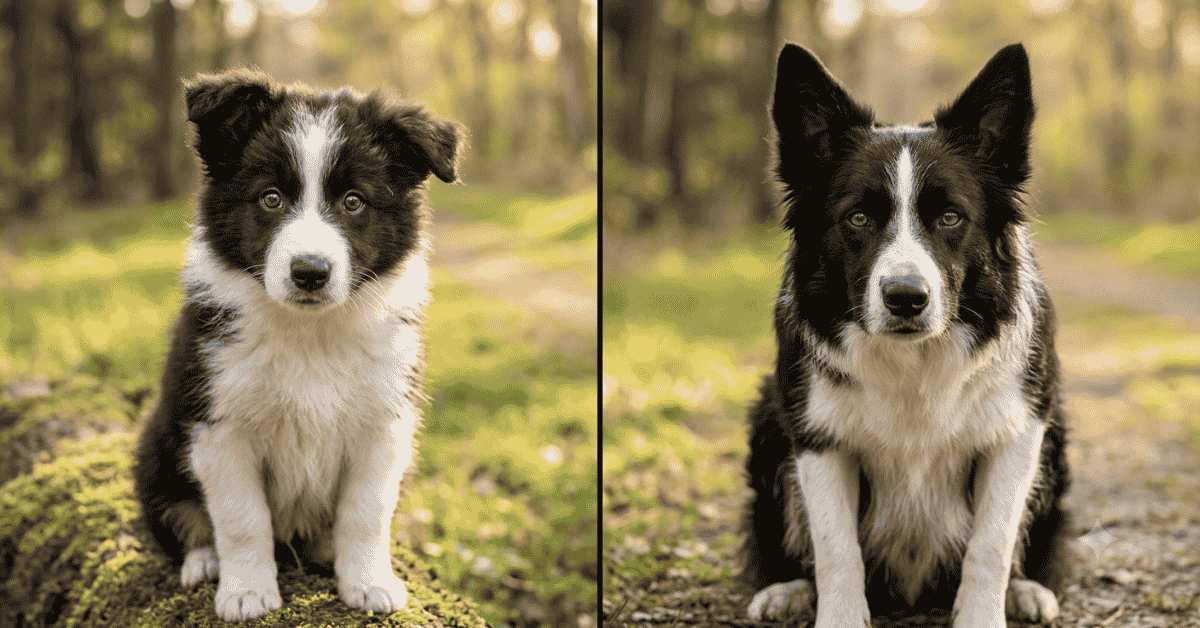
Whether to get a Border Collie puppy or adult dog depends on your experience and lifestyle. Puppies are adorable, and their adaptability is unprecedented, but house training, socialization, bite inhibition, basic obedience, and consistency take a significant time investment. You also experience periods of energetic and challenging phases. As adult Border Collies usually have some training and a more defined personality, it’s easier to determine whether the dog suits your home. Adults, however, can also be bringing habits that need some patient correction. Exercise, structure, and mental stimulation are the same for both puppies and adults. The right choice depends on how ready you are.
Frequently Asked Questions
Is a Border Collie for First-TimeOwners?
Only if you are very active, patient, and willing to learn will the Border Collie be good for first time owners. They are not necessarily the best starter dog, as they require much more exercise and training as well as mental stimulation. A novice owner who attends training classes, has a routine, and gives the dog daily activity may be fine. But this might be tricky for a new owner looking for an easygoing, low-effort companion. The smartness with which the breed is endowed can be an advantage and a drawback as well. Preparation and honesty with oneself are crucial if you’re new to dogs.
Do Border Collies bark a lot?
Border Collies have always barked more than other breeds, especially if they are bored, excited, under-exercised or nervous (or apparently going mad) on the sight of movement. They may bark to seek attention or to maintain control of their surroundings. With suitable training, practice and mental stimulation, extreme barking would be eliminated. One of the few things that helps is teaching quiet commands, and rewarding your puppy when it remains calm. Note, however, that excessive barking in owners is typically a symptom and not their real source problem. Barking may persist if your dog’s needs are unmet. Provide a healthy, exercised Border Collie, and usually they are easier to settle down and keep quiet.
Are Border Collies apartment friendly?
While Border Collies can live in apartments, it again depends on the owner and routine. Living in an apartment restricts the dog to less space indoors, so outdoor play is even more essential. Walking, running, training, games, and mental enrichment have to be provided for the dog on a daily basis by the owner. In the case of neighbors, barking control can also be an important aspect. Some breeds like the Border Collie tend to become destructive or can be noisy in the apartment if left alone and bored. But an engaged apartment owner who is outdoors a lot might be able to make it work. The apartment takes second place as the real problem. What you really want to know is whether the dog gets enough exercise and stimulation every day.
Exercise Requirements for a Border Collie
Typically, the Border Collie requires much more physical exercise every day than would many of the average companion breeds out there. This varies with age, health, temperament, and routine, but able-bodied adults have a fairly strong daily need for active movement and some form of mental work. Such exercises might include long walks, running, fetch, agility, hiking, training, or structured play. Include mental exercise because the breed will not be filled just physically. Exercising puppies and senior dogs must be tailored to their age and health; Owners are recommended to work toward a combination of activity, training, and adequate amounts of rest.
In brief, are Border Collies good with kids?
With the proper socialization, training, and supervision, Border Collies can be good with children. This dog can follow off leash for hours, and he likes to play with older kids who know what a dog is capable of. On the contrary, their herding instinct makes it difficult for those around little children who run, yell, or move fast. The dog may want to hunt them down or try to herd them by chasing, circling, and nipping. This should be controlled at an early stage. Teaching our children how to be kind or calm with each other is as important too. While a Border Collie can indeed get along in a family, the family must be prepared to give him lots of training (very easily verging on obsessive) and supervision, as well as sufficient exercise.
Final Thoughts
OK then, Is The Border Collie For You? How much you should run is dependent on your lifestyle, time, energy, and the desire to train. Border Collies are intelligent, zealous, and athletic working dogs who can make wonderful companions in the right home. But this breed is not for everybody. Daily exercise, mental stimulation, structure, patience, as well as meaningful interaction are a must! A Border Collie can make a great addition to your household if you are interested in an intelligent, active dog and willing to provide such a pet with the proper care. A better breed for you if you prefer a quiet, low-maintenance pet.

Passionate WordPress blogger sharing clear, helpful guides, simple tips, and practical ideas to help readers learn, grow, and succeed online.