What is a dog breed standard?
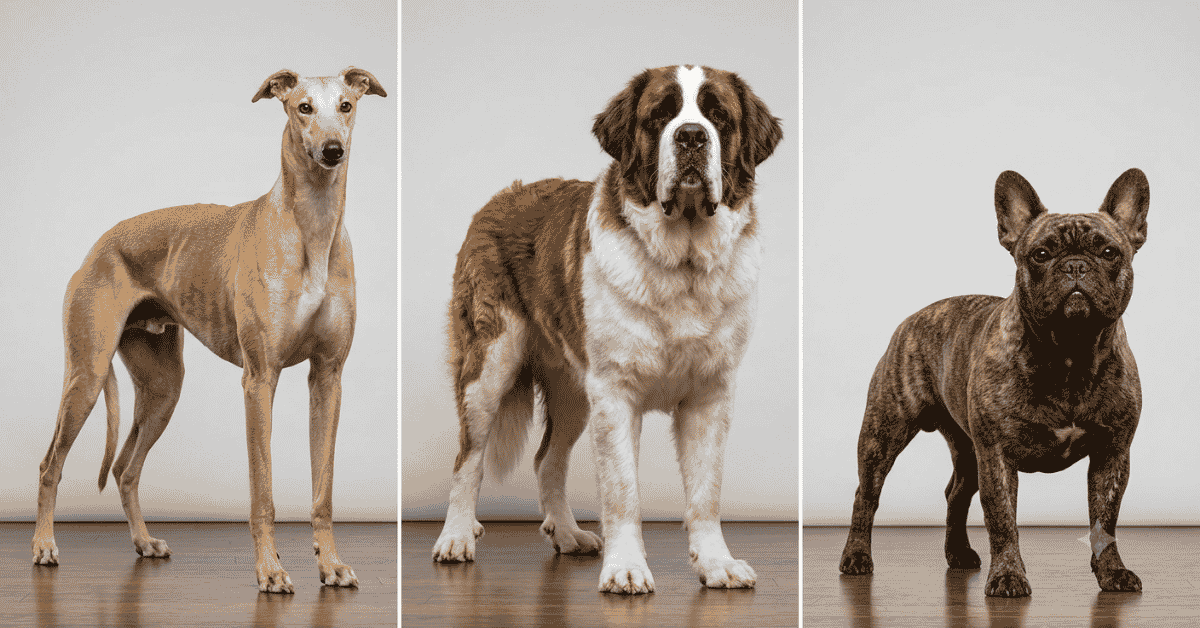
It is no surprise that every breed of dog has a unique appearance, structure, and gait when one observes the streamlined Greyhound, stocky St. Bernard, or squat French Bulldog. These features – both physical and behavioral – do not materialize haphazardly; they are prescribed within a formalized written standard called the breed standard.
With some knowledge of what a dog breed standard is, it actually takes away the mystery and helps explain purebred dogs, ethical breeding, and how judges make decisions at dog shows. The breed standard is the officially written description regarding the ideal look, motion, structural proportions, and its temper for a certain recognized breed.
Core Purpose of Dog Breed Standard
One might think a breed standard is aimed at creating the best or “perfect” dog in some fair way. It serves, however, as functional architecture intended for three principal things:
Maintaining the Character & Function of Breeds
Every breed that has been granted endorsement was developed for a certain job, whether or not it be to retrieve waterfowl, herd livestock, pull heavy carts, or simply keep a calm company. The standard maintains dogs with the exact physique needed to continue performing what they already do as a breed.
Regulation of Conscientious Breeding
For preservation breeders, the standard functions as a definitive guide. Breeders use this written template to evaluate their breeding stock, choosing pairings that fix structural shortcomings and stave off unwanted exaggeration or genetic drift.
Establishing Judging Criteria
In the case of conformation dog shows, judges evaluate dogs against a standard rather than each other. Each dog will not be marked against its breed presentation but rather the breed written standard for that particular breed. Placement is determined primarily by the degree of conformity to its respective standard.
Every Breed Standard Contains Certain Key Components
Every breed standard is structured a bit differently depending on the releasing organization but they all contain similar important structural areas:
General Appearance & Size
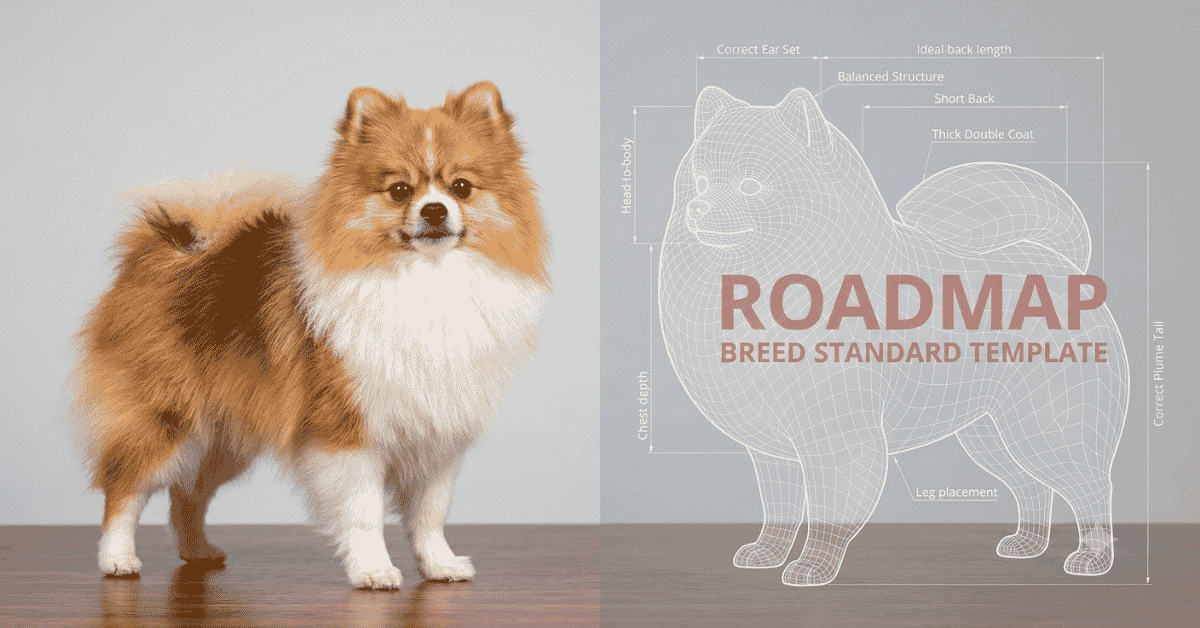
An overview description of the breed, including preferred height at shoulder, appropriate weight and bone substance for each gender; ideal gender differences between male and female; whole body proportion such as square or slightly longer than tall.
Head & Facial Structure
The head is perhaps the most distinctive breed characteristic. Standards provide specifics on skull width, stop depth (the junction of the muzzle and forehead), muzzle length, if the jaw is aligned in a scissors vs. an undershot bite, eye shape/color, and ear set.
Body Structure & Topline
Includes the skeletal structure of the dog—neck length, chest depth, rib spring, confirmation of back line (topline), loin length and tail carriage. Good angles in the shoulder and rear assembly are necessary to ensure durability and strength over the long haul.
Coat & Color Specifications
Standards specify coat length, whether it’s a single coat (as in bearded collies) or a double weather-resistant coat, allowed colors of coats and face markings; while color patterns and placement are mandatory or penalized.
Gait & Movement
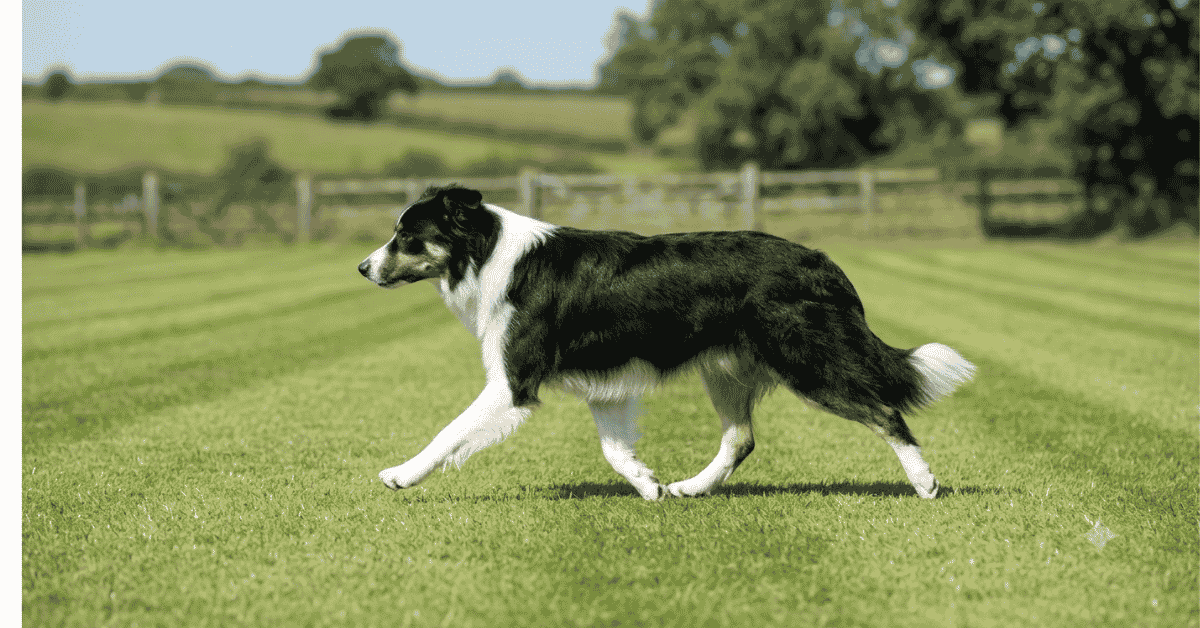
It is only the trot that catches a dog’s basic soundness of skeleton. Standards dictate how that dog should go and drive, searching for effortless, balanced movement that is both efficient, without unnecessary use of energy or lameness.
Temperament & Drive
Physical structure is one aspect of a much larger picture. Standards define how the breed should be built, but also what kind of character it should have: an outgoing and eager-to-please dog (Golden Retriever), a dignified, aloof with strangers pooch (Afghan Hound), and an alert, protective dog (Doberman Pinscher).
Faults & Disqualifications
Standards list anything from minor structural faults (which cost points in the ring) to major disqualifications, such as excessive over/under size limits compared with the document, incorrect bite, and extreme aggressiveness that eliminates a dog from consideration for show.
Which individual(s) form & maintain standard for breed?
The very people who know the breed best are naturally the official custodians of a breed standard:
National Parent Breed Clubs
Most countries have a national club for the breed (e.g. the Golden Retriever Club of America) that develops, revises, and updates its corresponding standard. Any modifications need the club members’ permission to be voted on.
Sanctioned Kennel Club Registries
Large governing registries—including but not limited to the American Kennel Club (AKC), The Royal Kennel Club (UK), Canadian Kennel Club (CKC), United Kennel Club (UKC), and Fédération Cynologique Internationale (FCI)—formally establish, contain, and enforce these standards throughout their sanctioned activities.
The Importance of Breed Standards to Ordinary Dog Owners
Knowing what the breed standard is (and even if you never step into a dog show ring) has tons of value for everyday pet buyers:
Predictability
The number one goal of a standard is to help potential puppy owners know (to the best they can) what they are getting before bringing home the new puppy.
Health & Soundness
Standards that enhance good anatomy naturally lead to structural soundness. A sturdy dog with moderate angles has lower joint stress and structural fatigue throughout its life.
Buyer Protection
What a breed standard is helps protect buyers from unethical breeders trying to sell “teacup” sizes, fad colors that are wrong for the breed, or extreme physical traits that will harm the dog.
Conclusion: Protecting the Purebred Understanding
What is a Breed Standard? It allows you to understand the history, function, and special qualities of each breed in detail. A breed standard is not just a written document, but rather a roadmap guarding each breed’s appearance, temperament, structure, and original purpose. In Other News: What Is a Breed Standard? A responsible preservation breeder works towards producing healthy, predictable, and balanced dogs that will reveal the unique features of each breed in the offspring.
Passionate WordPress blogger sharing clear, helpful guides, simple tips, and practical ideas to help readers learn, grow, and succeed online.