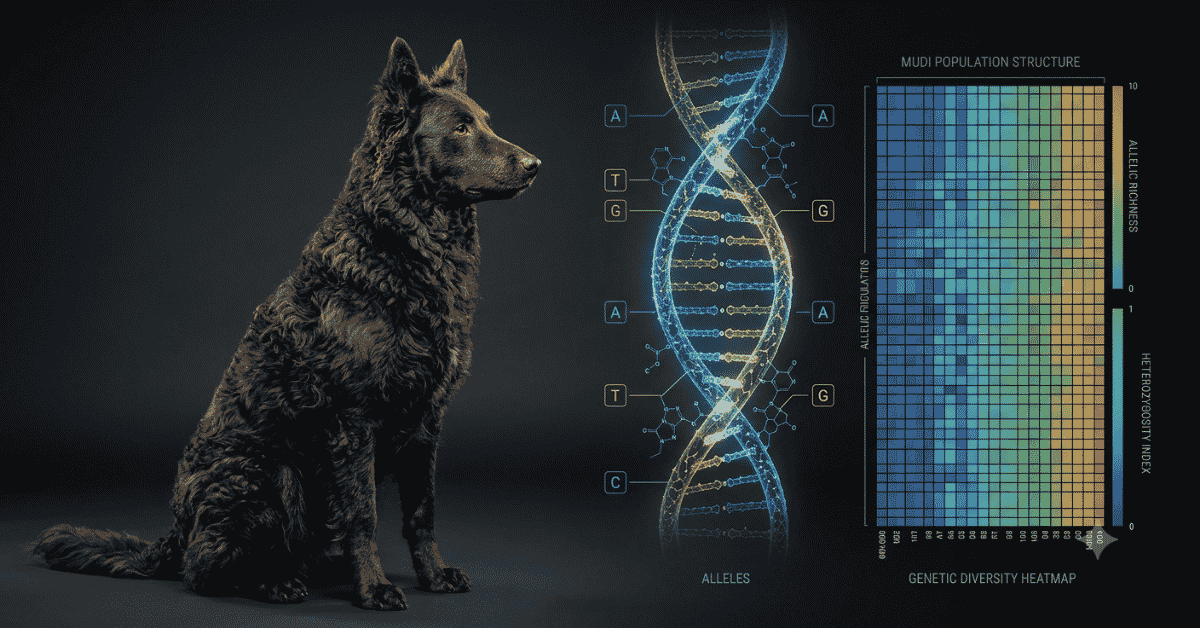
A Look At Why And How One Breed Club Is Attempting To Save Its Breed From Extinction By Targeting Both Preservation With Old-World Methods & Modern Science
Even with incredibly popular dog breeds such as Golden Retrievers and Labradors having population sizes in the millions around the globe today, many historic purebred dog breeds are under serious threat of becoming extinct for good. When you see annual registrations fall into single or low double-digits, the breed is no longer just classified as “rare” — it has reached a critical-mass-of-endangerment status, and every litter counts.
Saving a breed with such an exhausting decline is more than a one-person enthusiasm; this is actually something on the biological flash that takes organized work—and scientific backing. A Pawsitive Influence: how one breed club saves its breed from extinction shows just how parent clubs, preservation breeders, and genetic scientists conspire to reconstruct dangerously small dog populations.
Threats to Vulnerable Dog Breeds
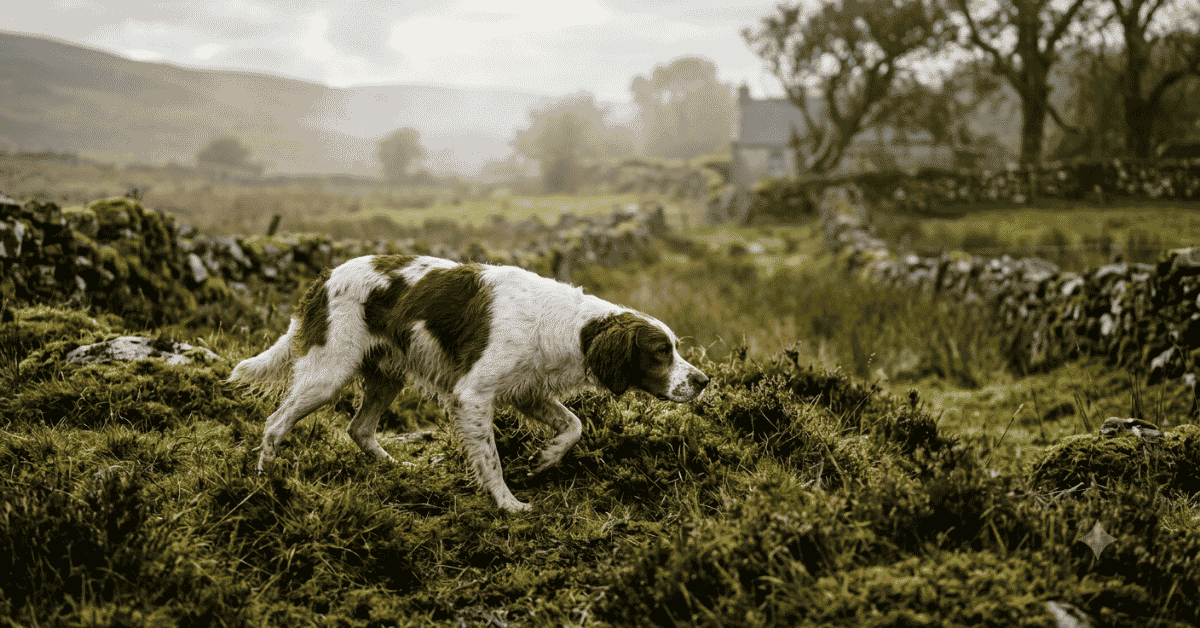
Recognizing why dog breeds turn out to be at risk is step one in developing a method for effective rescue.
Genetic Bottlenecks and Inbreeding
If the total breeding population of a breed becomes smaller, the number of potential mates also shrinks. With continued generations, this high Coefficient of Inbreeding (COI) results in inbreeding depression—giving rise to reduced litter sizes, increased puppy mortality rates, a drop in immune system performance, and the proliferation of inherited diseases.
Loss of Traditional Working Roles
Many rare breeds were created for a very narrow range of agricultural, hunting, or guarding roles. As agriculture modernized and societal priorities changed, the public need for these specialized working dogs decreased.
Isolation in Breeding
Lack of overall oversight leads to fragmented breeding efforts. When everything is so fragmented, a bird’s-eye view on the global population is hard to get, and important genetic lines may evaporate unnoticed.
Realistic Core Preservation Strategies for Parent Clubs
Forward-thinking parent clubs have embraced modern science to reverse the course of population declines, supplementing traditional husbandry so that breed type and health are not compromised.
A Detailed Map of DNA and Genetic Diversity
This is even more true with clubs that use DNA sequencing instead of just paper pedigrees (which may miss hidden genetic overlaps). With genetic mapping, breeders can evaluate real genetic diversity across the entire live population, pinpoint underutilised bloodlines and calculate exact genomic relationships prior to breeding.
Point 5: AAKC Conservation Program With Sensitive Preservation of Purebred Dogs
Reproductive biotechnology is one of the most potent tools of preservation today. Clubs collect, freeze, and store semen and biological samples from healthy, structurally sound dogs with AKC-funded initiatives such as the AKC Purebred Preservation Bank. Breeders can then use these banked examples decades later to reincorporate lost genetic diversity into future generations.
Controlled Outcrossing Protocols
If the gene pool of a breed becomes dangerously narrow, parent clubs may partner with official registries to develop a carefully buried outcross program. Breeders may reintroduce the important genetic variation by selecting an appropriate, genetically healthy dog from a near-relative breed. So the next generations are backbred to type for many generations, which occurs at a registry-controlled level.
National Census & Pedigree Tracking
They keep a full registry of living, intact dogs who can breed with the professionally recognised parent clubs. By tracking these data centrally, club preservation committees can coordinate strategic co-ownerships across the known populations; stud exchanges & international breeding partnerships as required to maximize diversity.
Community Engagement and Mentorship Programs
A sustainable community of dedicated caretakers is required to secure the future of a particular breed.
Reproducing New Breeders
Preservation breeding obligations thorough familiarity with genetics, anatomy, and pedigree history. The parent clubs match experienced breeders with newbies, so the new breeders will have knowledge about both breeding insights and what lines might be important for them to work with.
Public Awareness & Education
Public profile raising helps to increase demand for the breed. Breeder clubs promote their breeds by mobile displays, educational seminars, and online to get these exciting pets in excitable, responsible homes.
Health Screening Subsidy
Most parent clubs offer grants or low-cost testing programs for key health screens (e.g., hip/elbow evaluations, eye clearances, and cardiac exams) to help defray costs for breeders.
Lessons for Other Low-Population Breeds
The approaches presented in how one breed club is fighting to save its breed from extinction provide a repeatable map for any rare breed wrestling with the same demographic issues.
Competitions → Collaboration
Success means trading in the show ribbons for protecting our populations’ health and longevity.
Integrating Tradition and the New
To promote long-term viability, combine proven pedigree evaluation with state-of-the-art genomic screening and cryopreservation.
The Final Word: Continuing to Keep History Alive
Every purebred dog breed is a time capsule of our collective history with dogs, meticulously crafted over generations of breeding, purpose and partnership. How One Breed Club Is Rescuing Its Rare Breed From Extinction shows that protecting these exceptional breeds takes time, research, prudent breeding decisions and teamwork among breeders, parent clubs and dog lovers. These organizations are providing a way to save unique working companion breeds from disappearing permanently by preserving genetic diversity and encouraging long-term conservation efforts.
Passionate WordPress blogger sharing clear, helpful guides, simple tips, and practical ideas to help readers learn, grow, and succeed online.