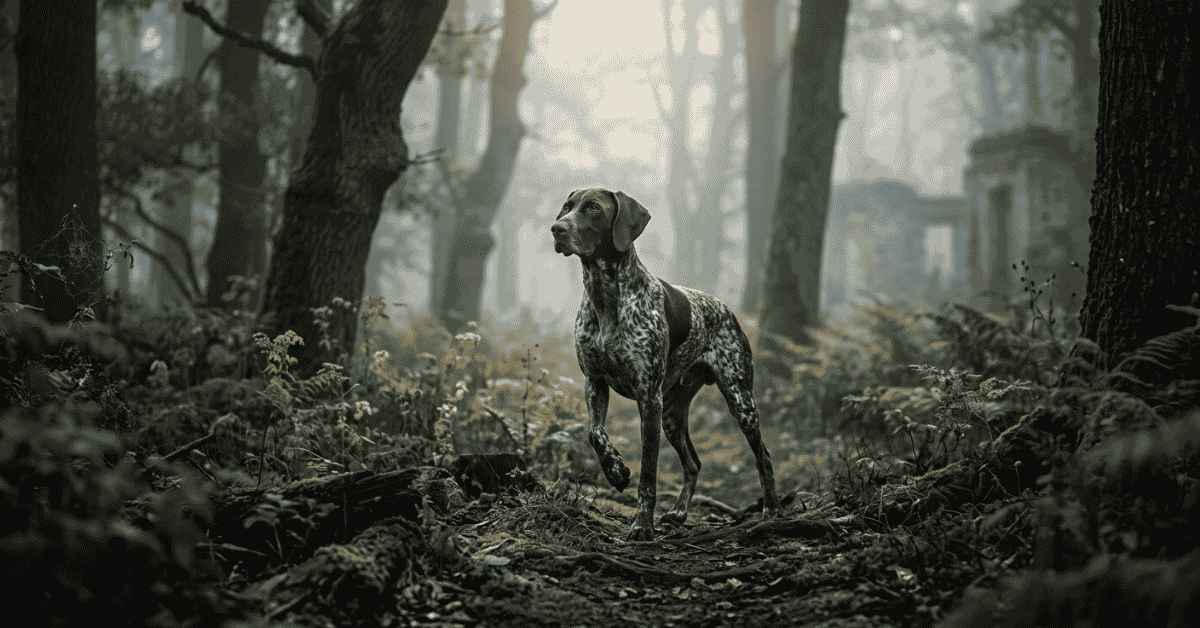
The German Shorthaired Pointer is one of those breeds that has an interesting story to tell as a result of intentional breeding, athletic refinement and functional versatility. Formed in 19th-century Germany, this storied breed was established for a neat niche: a versatile gun dog to point out upland birds, retrieve waterfowl from frigid lakes and track down wounded big game animals in dense woods.
Gaining insight into how those old regional tracking hounds developed into contemporary high speed athletic buddies is a crucial first element in understanding their special temperament and working drive.
19th-Century Origins & Early Ancestry in Germany
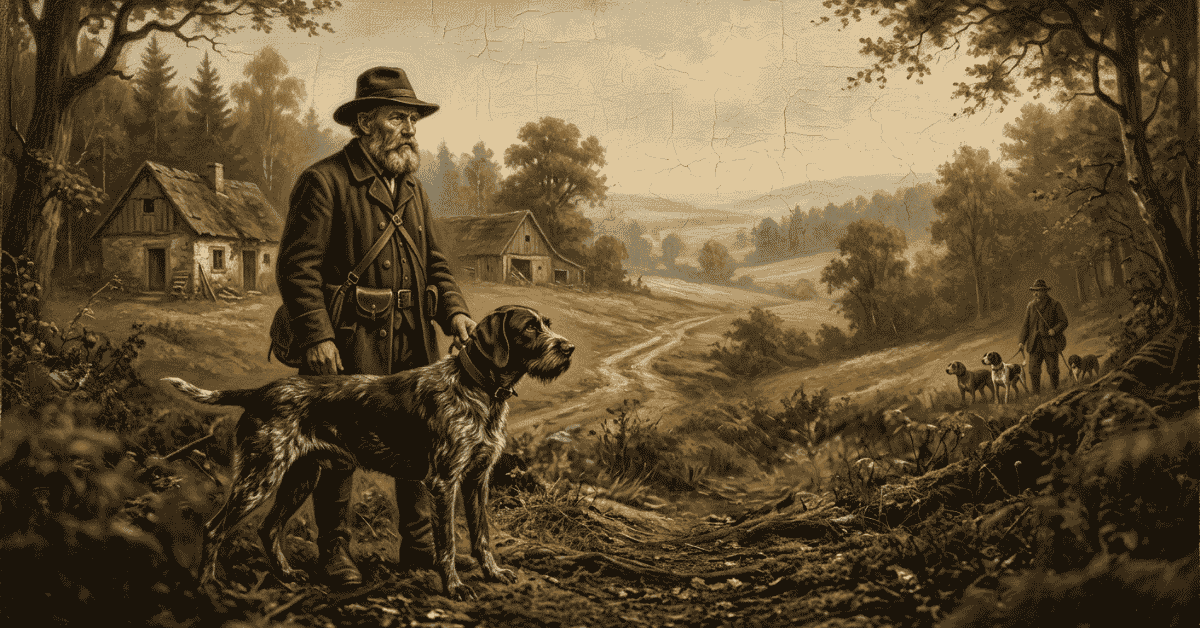
Before 1800, hunters in Europe had distinct types of dogs, each bred for their own function. But with the shifts in politics and firearms technology, a requirement for one swappable hunting partner emerged.
Several founding stocks were discussed by German gamekeepers and sportspeople:
- Spanish Pointer: Gave him extreme, natural pointing drive and a lot of bone power.
- German Visebird (VOGELHUND): Strong instincts for finding game birds in thick brush.
- Local Tracking Hounds (Schweisshund): Bred in incredible sniffing abilities and determination when following blood trails over many miles.
Now, these strains had the best noses and determination of any hounds you might find, but they were physically heavy built and rather slow going on open ground.
Refining the Breed: Strategic Outcrosses
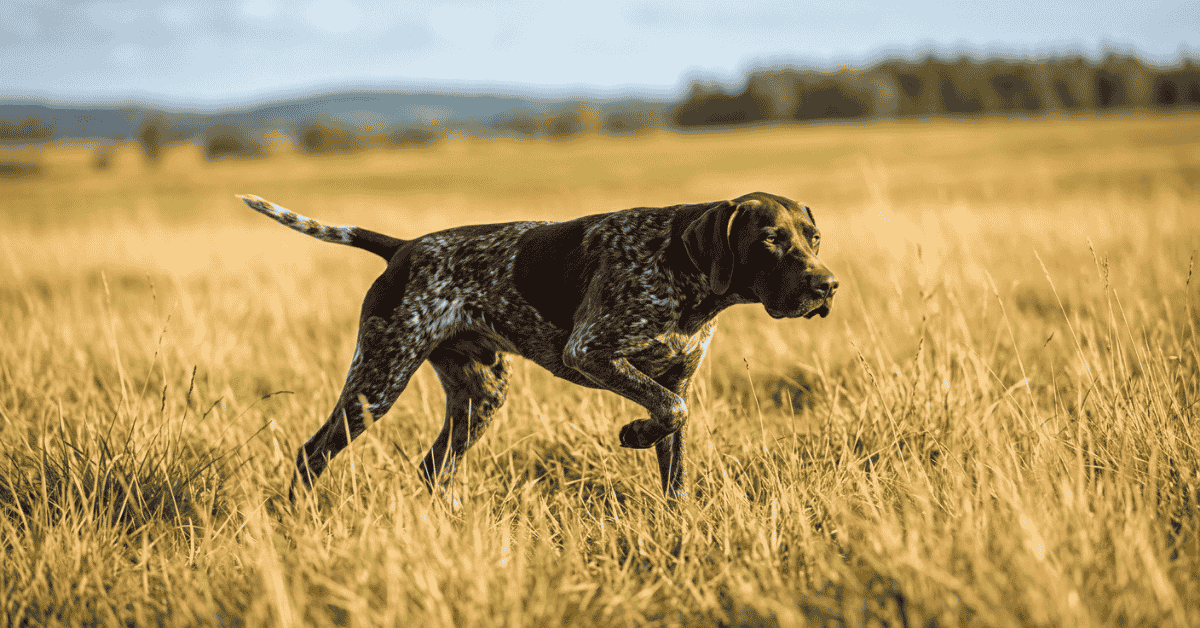
Breeders conducted a series of selective outcrosses during the mid-to-late 19th century to produce less bulky but more agile, high-stamina sporting dogs.
Enter the English Pointer blood which would become a game changer. It also simplified the carcass, quickened speed and endurance, and raised the stateliness of the point. Otherwise, Foxhound and Bloodhound genetics were modestly mixed in to motivate tracking instinct as well as mental endurance.
The Kurbad standard was published in the 1870s, establishing that form should always follow function; a tenet which remains to this day and governs the physical standard of the breed.
Official Recognition & Important Historical Figures
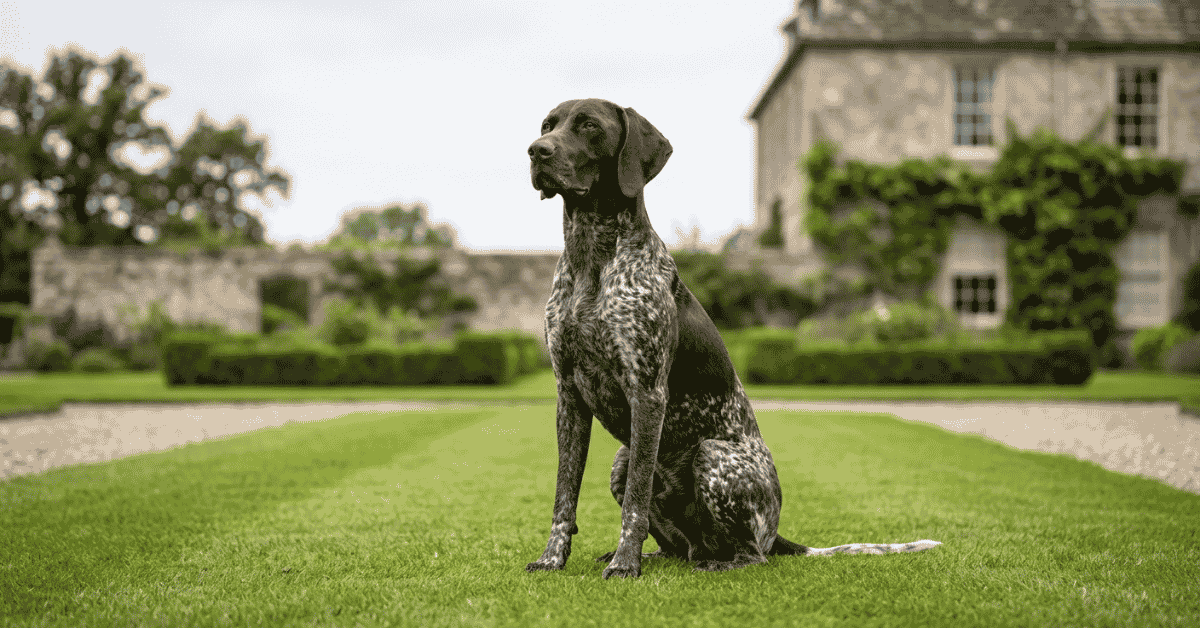
In addition, for the breed to establish itself, visionary leadership and development of rigorous registration practices was crucial.
Among champions of the breed, Prince Albrecht of Solms-Braunfels famously urged replacing purely aesthetic bench shows with field performance and natural ability. Under his guidance:
- The first official studbook (Zuchtbuch Deutsch-Kurzhaar) was published in Germany for this purpose in 1897.
- Scenting drive, water willingness and biddability were assessed through field trial testing.
- The breed was recognized throughout Europe under the name Deutsch Kurzhaar.
Dawn & Growth in North America
American hunters during the 1920s began to take notice of the breed’s versatility. To pioneer importation of some of the first recognized specimens into the U.S., Dr. Charles Thornton introduced America to a dog that could ultimately satisfy sporting people while eliminating multiple specialized breeds within one household.
Wikipedia summarizes the official timeline of The History of the German Shorthaired Pointer in the United States.
- 1925: First official importations of the Deutsch Kurzhaar to North America.
- 1930: National breed club recognition from the American Kennel Club (AKC).
- 1938: The German Shorthaired Pointer Club of America (GSPCA) is formed.
During World War II, European breeders struggled mightily, sometimes hiding prized breeding stock or sending dogs to safety in remote areas of Yugoslavia and Austria. With pure bloodlines being maintained in North American kennels, post-war recovery relied heavily on this area which allowed the breed to recenter on a global level.
Functional Versatility & Working Roles
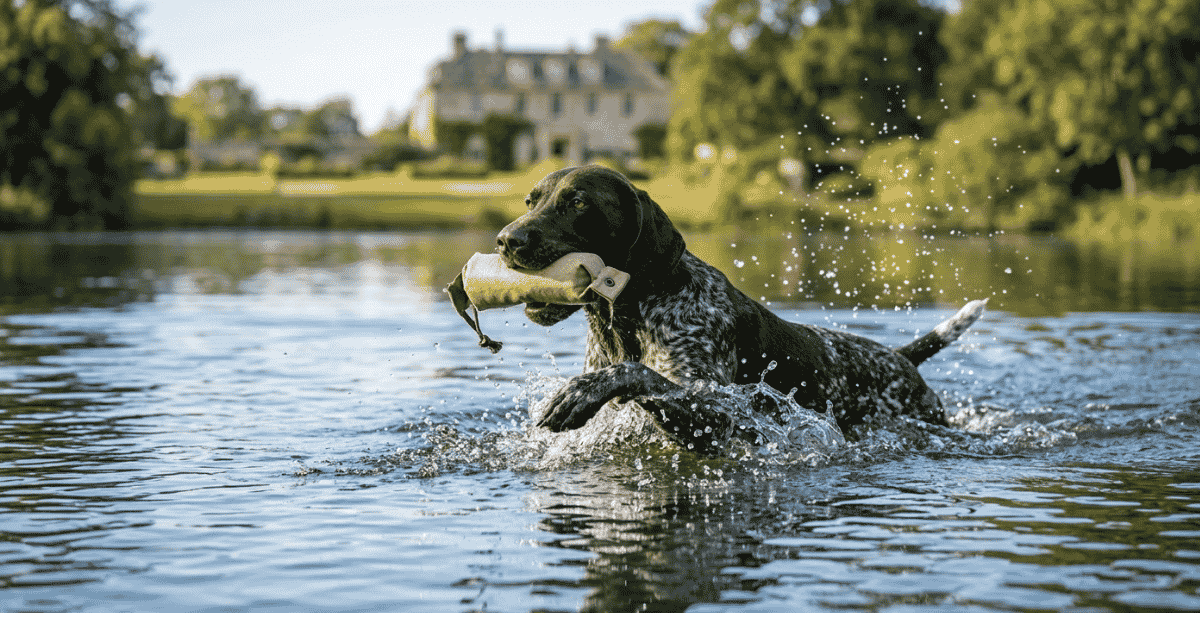
This amalgamation of the two types had a structurally balanced athlete that is capable of traversing terrain from frozen marshland to alpine rock.
- Utility for Upland Birds, Retrievers & Tracking Furred Game.
- Physical Traits: Heavy set, a short coat which is water-repellent and protects the skin from thorny briars, webbed toes for powerful swimming.
- Very high drive & intelligence: They have a large amount of energy / volume to complete work requires hands on outlets active.
Modern Role & Preservation

The History of the German Shorthaired Pointer continues with the breed today as one of the best hunting and universally admired sporting dogs in existence.
Though they continue to be a force in field trials, hunt tests, and obedience rings, their good-natured friendliness and loyalty have made them popular family companions in the active home. Due to their incredible scenting ability, they are also often used in search and rescue (SAR) as detection animals.
The History of the German Shorthaired Pointer shows how, through careful breeding with an eye on performance alone, an athlete is created that effectively blurs the line between elite working gun dog and steadfast family pet.
Passionate WordPress blogger sharing clear, helpful guides, simple tips, and practical ideas to help readers learn, grow, and succeed online.