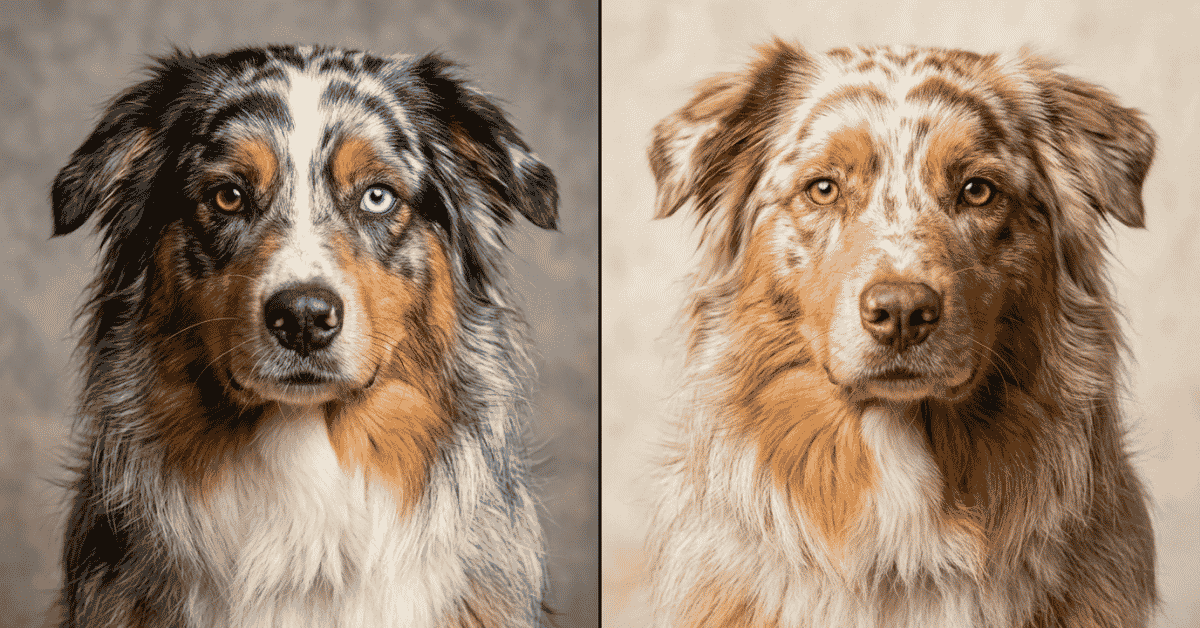
Rarely do coat patterns in the dog world call as much attention than the merle. It features distinctive patches of diluted pigment, mottled skin, and sometimes bright blue eyes, making it highly appealing to lovers of breeds such as Australian Shepherds and Collies. To fully grasp this beautiful aesthetic, we must delve into What Causes the Merle in Canine Coats? The Scientific Explanation of the Pattern (at a molecular level).
Genetic background and the PMEL gene

A single genetic variation is responsible for the merle coat of your furry friend. There is an abnormal mutation of the PMEL (Premelanosome Protein) gene that drives the trait pattern. The gene is important for production and distribution of melanin — the brown pigment in skin, hair, and eyes.
Inheriting the dominant merle allele disturbs normal melanin production. The cells don’t produce full color over all areas uniformly, but randomly fail to make any pigment at all in spots, creating the signature marbled patches of diluted dark pigment against a solid background.
Visual Expression and Color Variations
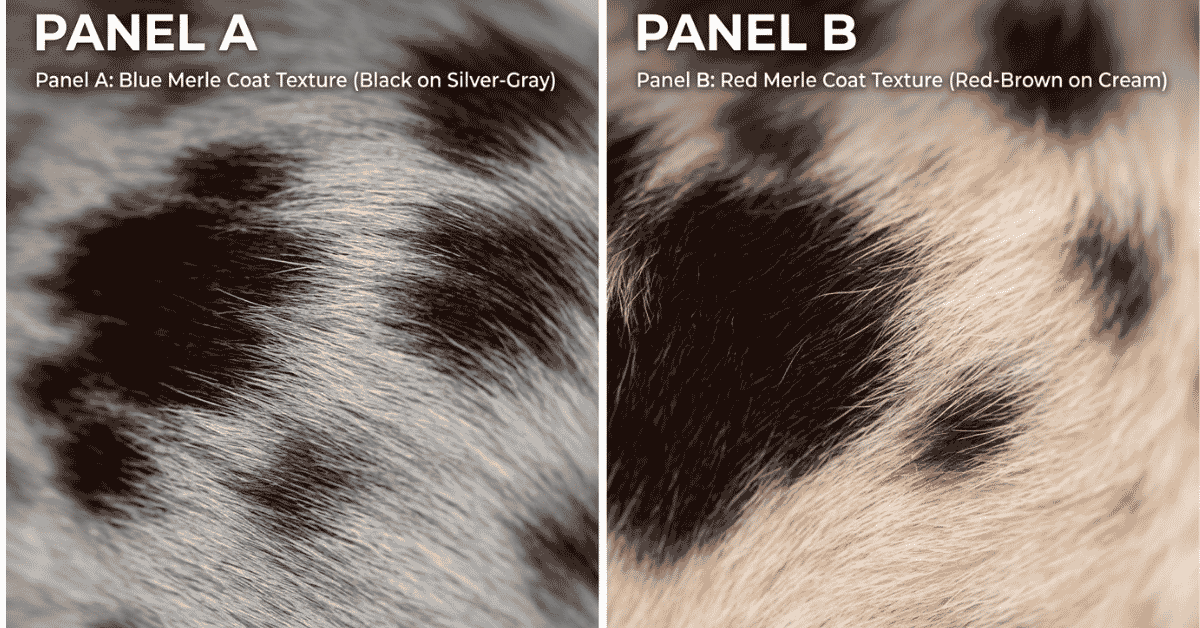
One dog can inherit one copy of the gene, and another inherits two — the symptoms from this pattern vary widely. One dose results in the classic coat, manifested as “blue merle” (modifying black pigment and turning it into beautiful grays and blacks), or “red merle” (modifying liver or brown pigment for warm red and cream tones).
Here Comes What makes the Merle in Dog Coats? One Gene, One Switch: The Science Behind the Pattern, which shows that a single genetic switch can completely change how a dog looks on the outside without changing what color it’s hairs will be at their bases.
Health Considerations in Breeding
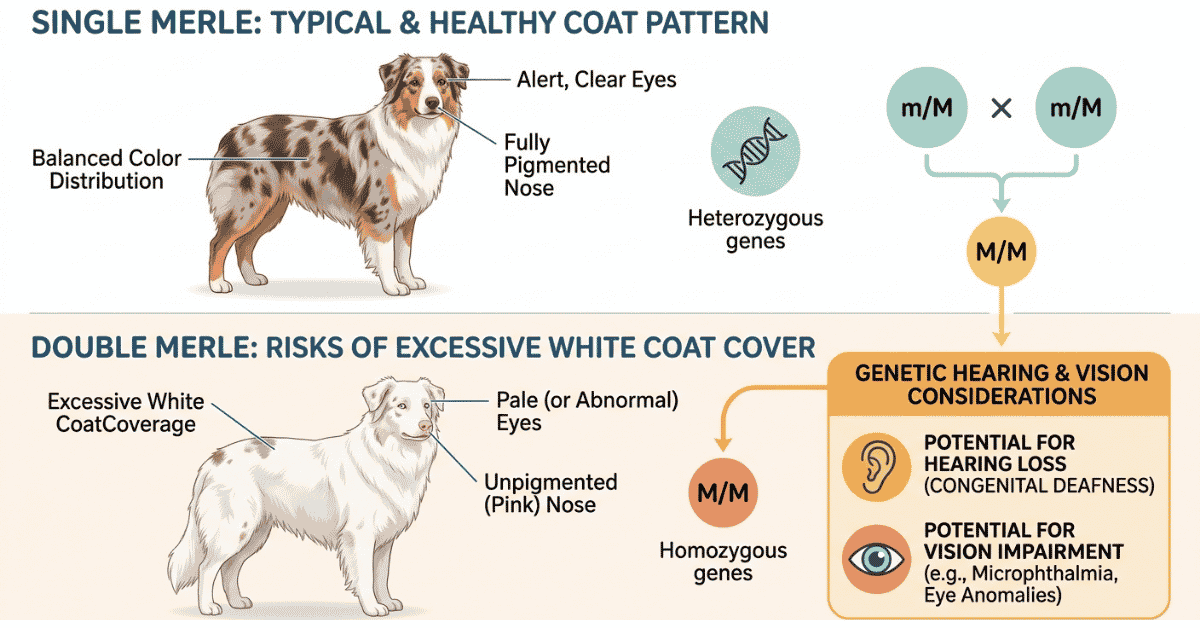
The pattern is certainly gorgeous, however What Causes the Merle within Canine Coats? The Science Behind the Pattern also comes with serious ethical responsibilities for breeders. If two merle dogs are bred, this is referred to as breeding “double merles” and the puppies have a significant likelihood of inheriting two copies of the mutated gene.
This double-dosing can cause major congenital health problems, including a lack of pigment in the inner ear and eyes very commonly causing deafness, blindness or microphthalmia. In short, responsible breeding relies upon extensive genetic testing so that the double-merle pairings can be avoided entirely, allowing these uniquely patterned dogs to live long, healthy lives.

Passionate WordPress blogger sharing clear, helpful guides, simple tips, and practical ideas to help readers learn, grow, and succeed online.