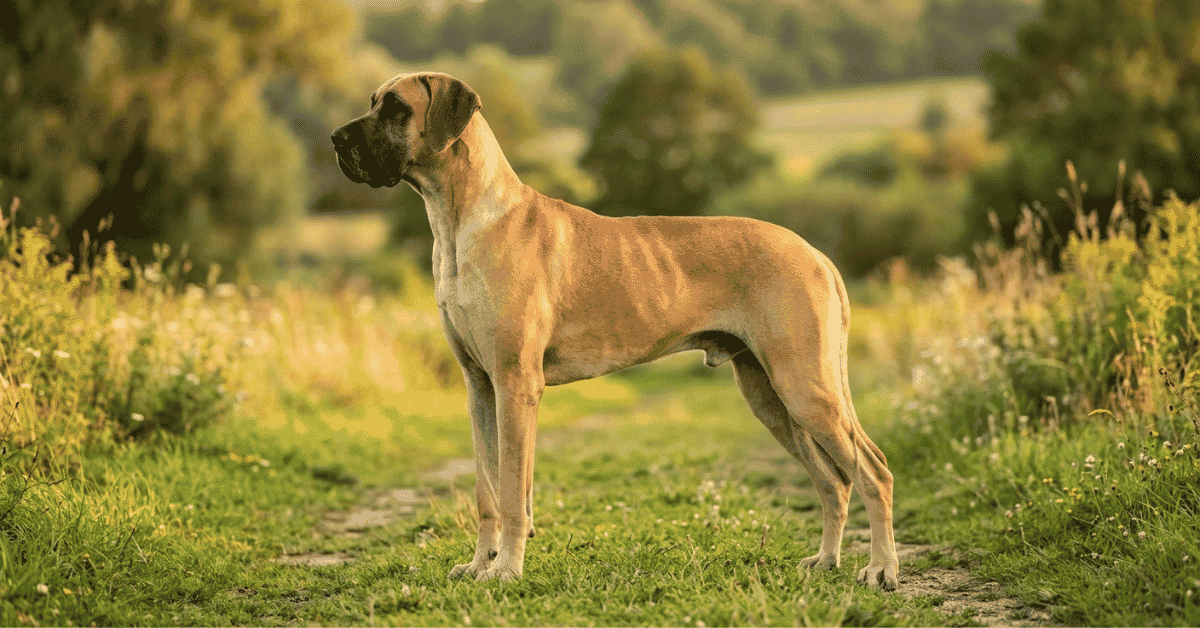
Great Danes inspire equal measures of awe and respect – few canine companions immediately invite a sense of reverence quite like the Great Dane. This majestic breed is a stunning yet robust presence, with a stately silhouette and noble beauty, often dubbed the “Apollo of the Dogs.” To truly appreciate what makes this gentle giant so special, we must delve into Great Dane History: the Apollo of the Dogs, an epic tale of centuries of European nobility, blood sport hunting traditions, and its eventual metamorphosis into a wonderful domestic canine companion.
Ancient Roots and Massive Ancestors
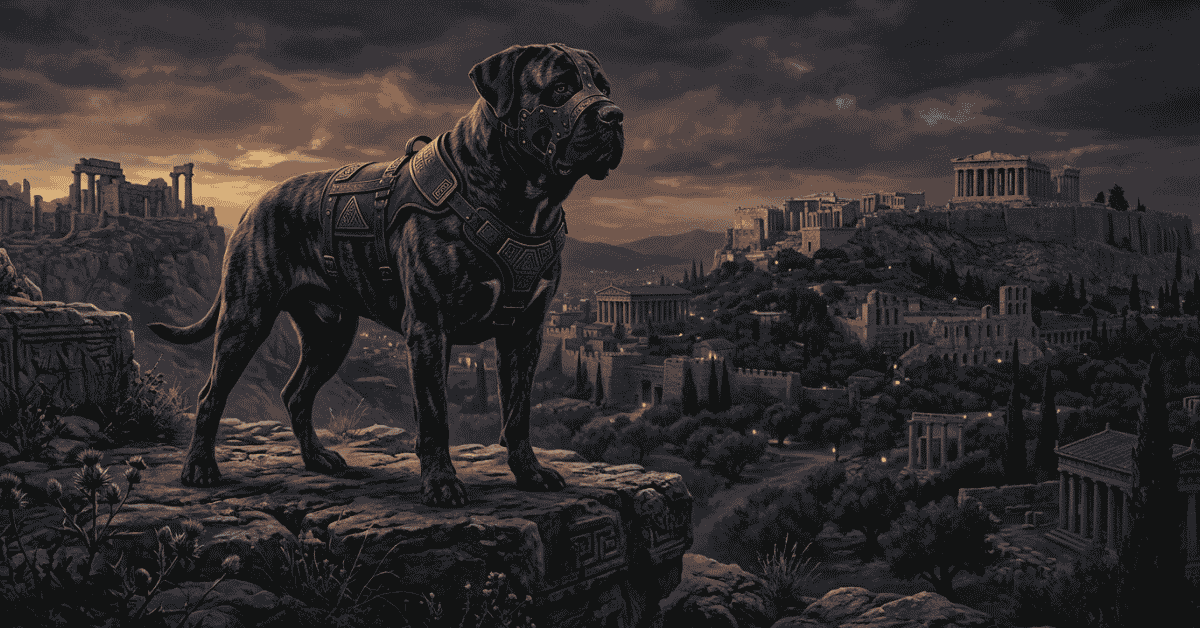
The ancestry of the Great Dane is deeply rooted in antiquity, most commonly regarded as being derived from archaic Molosser-type war canines. These large, powerful canines were used by ancient cultures—including the Assyrians, Greeks, and Romans—for protection, property defense, and as war dogs.
They traveled over Europe for hundreds of years and became heavily bred hunting stock. By medieval times, European nobles used large, athletic hounds to hunt wild boars, a game animal that demanded jaws of steel and speed to withstand its tusks—not for hunters with faint hearts! Those early ancestors set the stage for Great Dane History: the Apollo of the Dogs, a legacy built on trusty companionship to both hunters and royals.
Standard German and linguistic standards from optical to phonetic
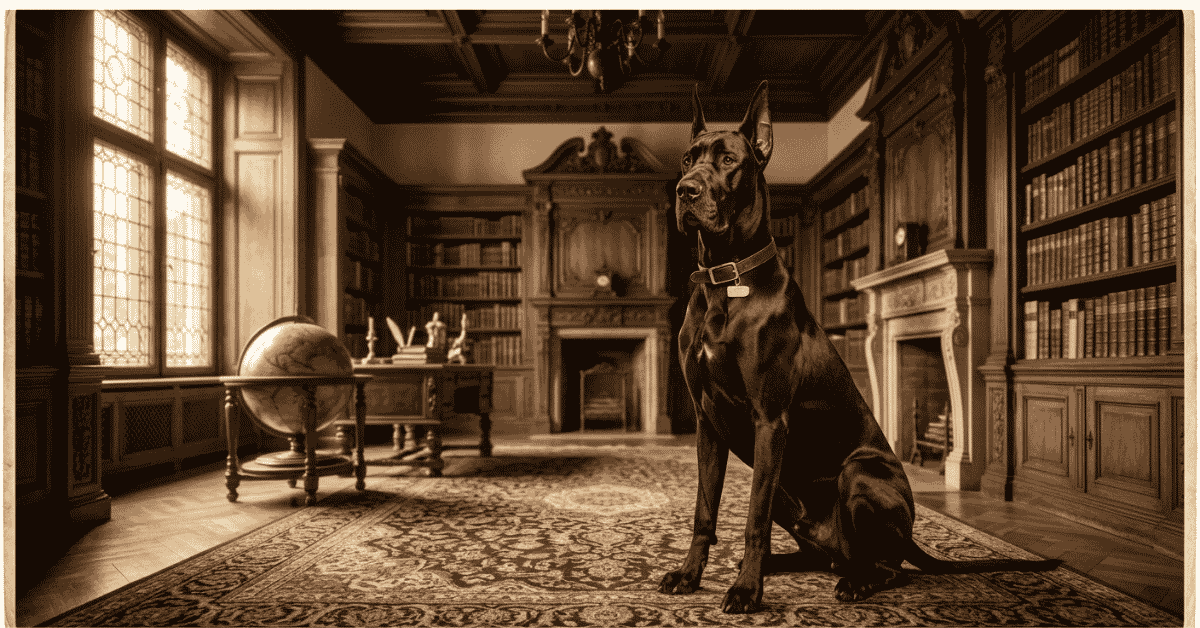
In the 19th century, as firearms developed and hunting techniques changed, there was less demand for aggressive boar-hunting dogs. Well-off German farmers and local aristocracy started to rehome these enormous servants, taking advantage of their faithfulness and putting their gorgeous features on display. They wanted to temper the temperament, creating an elegant, poised companion that transformed the fierce hunting hound into a gentle spirit.
In the meantime, in this period of refinement, breeders crossed bigger-than-average mastiff-type dogs with thinner athletic sighthounds like the Greyhound. This important cross contributed the sleek lines and statuesque elegance that earned the breed its classic name. The pathway to defining the breed standard began officially in Berlin in 1880, a major landmark event in Great Dane History; the Apollo of the Dogs was when the Deutsche Dogge was formally established as a recognized and standardized breed!
The Gentle Giant Heritage & Global Success

Once standardized in Europe, this breed shot to international fame. Travelers and diplomats exported exquisite dogs to be adored in North America and elsewhere, where fanciers created breed clubs and put them into the show ring.
These powerful dogs—known for their intimidating size (most will tower over many people when on their hind legs)—had a global reputation as gentle giants. The final chapter of Great Dane History, perhaps the true Apollo of the Dogs, can be written in living rooms and family homes worldwide today, where modern Great Danes are loved for their affectionate, loving, and surprisingly couch-potato ways.
Conclusion
Its journey has been epic: from ancient battlegrounds, to European hunting forests, and now to family sofas. Great Dane History: The Apollo of the Dogs teaches us that real nobility is balanced strength, wisdom, and a soul of infinite softness — thus ensuring that the Great Dane will maintain its royal canine stature for all time.
Passionate WordPress blogger sharing clear, helpful guides, simple tips, and practical ideas to help readers learn, grow, and succeed online.