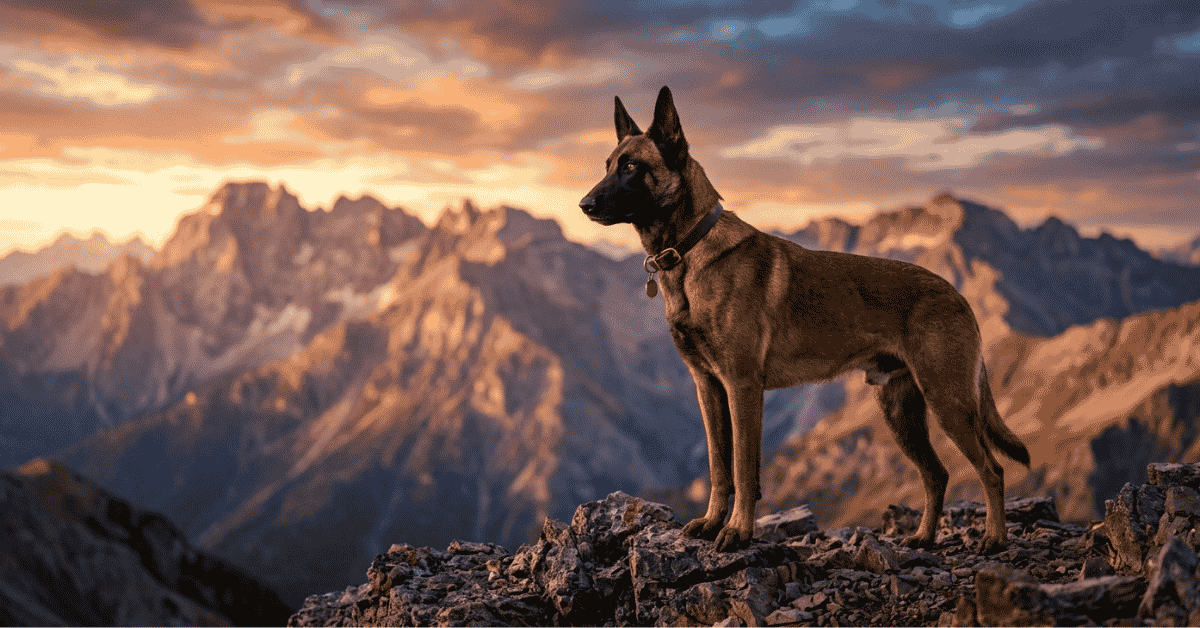
The Belgian Malinois is simply one dog known throughout the world as being among the most intense, intelligent and versatile working dogs on earth. With a working ability to work longer than most, and of a more athletic build, these dogs are undoubtedly the top choice for modern military, police and protection work. But the advanced modern capabilities of these creatures have emerged through painstakingly slow and deliberate development over millions of years, not all at once. The Belgian Malinois breed history chronicles a fascinating journey from humble European farm dog origins to top global canine athlete!
Late 19th-Century Foundations in Belgium
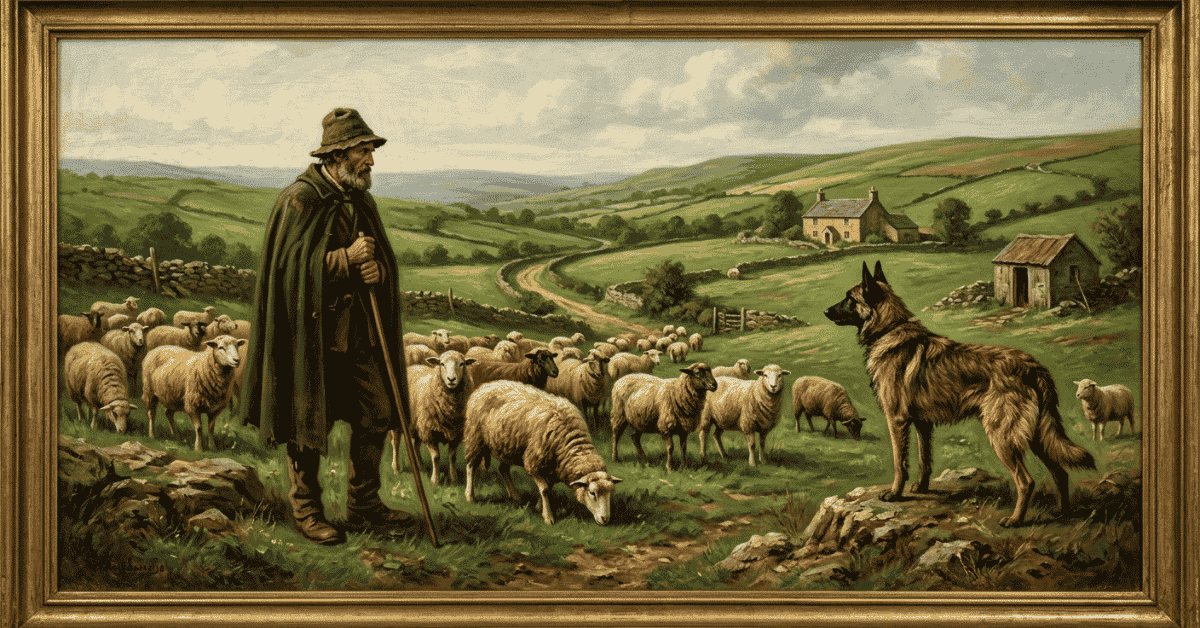
In the later years of the 1800s, there were a number of rough and tough sheepdogs found in the Belgian countryside. Despite differing considerably in appearance and coat type, these dogs had a common purpose — protecting livestock, driving cattle to market and guarding family property for the neighbouring farmers and drovers.
Acknowledging the necessity of maintaining these outstanding working qualities, Cureghem Veterinary School’s Professor Adolphe Reul started a more scientific analysis of the indigenous sheepdogs in the late 1880s. He brought together shepherds and fanciers from the area to assess the population, ultimately establishing the intellectual foundation for what would become a standardized national breed. The short-haired breed was dubbed ‘Malinois’ after Malines (Mechelen) — the very area where local breeders aimed to refine that specific type.
Standardisation and the Belge Shepherds Club
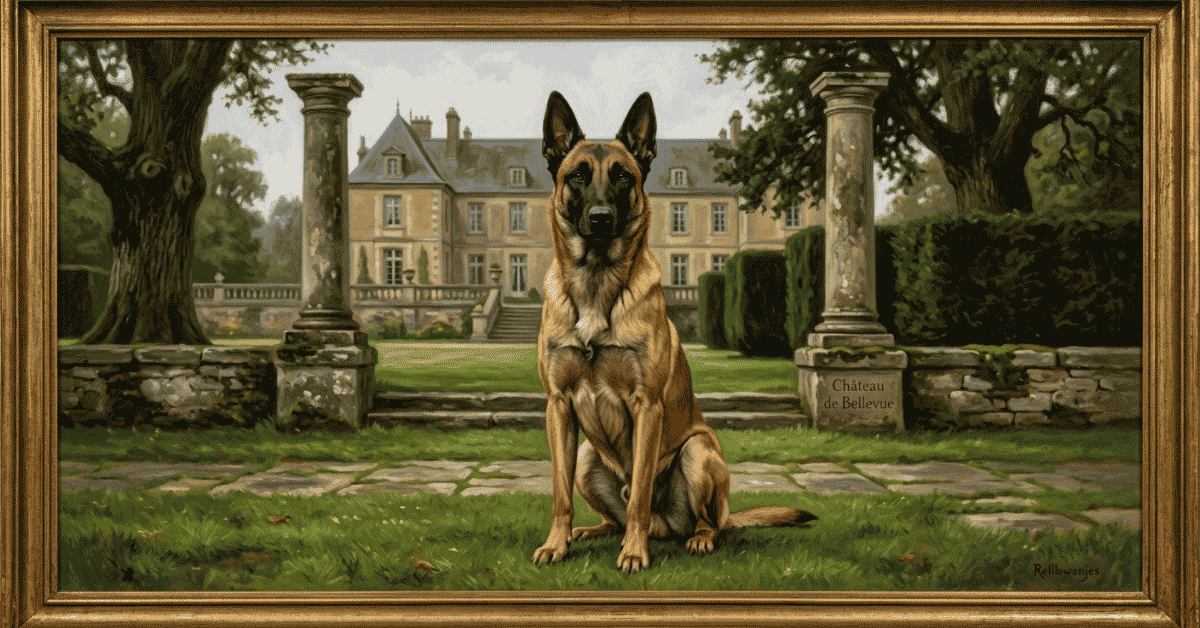
Belgian Malinois breed history only began to take a more formal structure with the founding of the Club du Chien de Berger Belge in 1891. Breed founders figured to lay down one standard for the whole breed but since the dogs would be separated into divided varieties, based on coat and texture and color, that makes sense.
As other varieties developed coats of long hair or wire-textures, the Malinois was characterized by its short, fawn-to-mahogany coat and distinctive black mask. Breeders prioritized a functional working dog over refinement in appearance, thus the dogs retained the high drive, agility and mental sharpness required for a demanding life on the farm.
Moving over to police and military
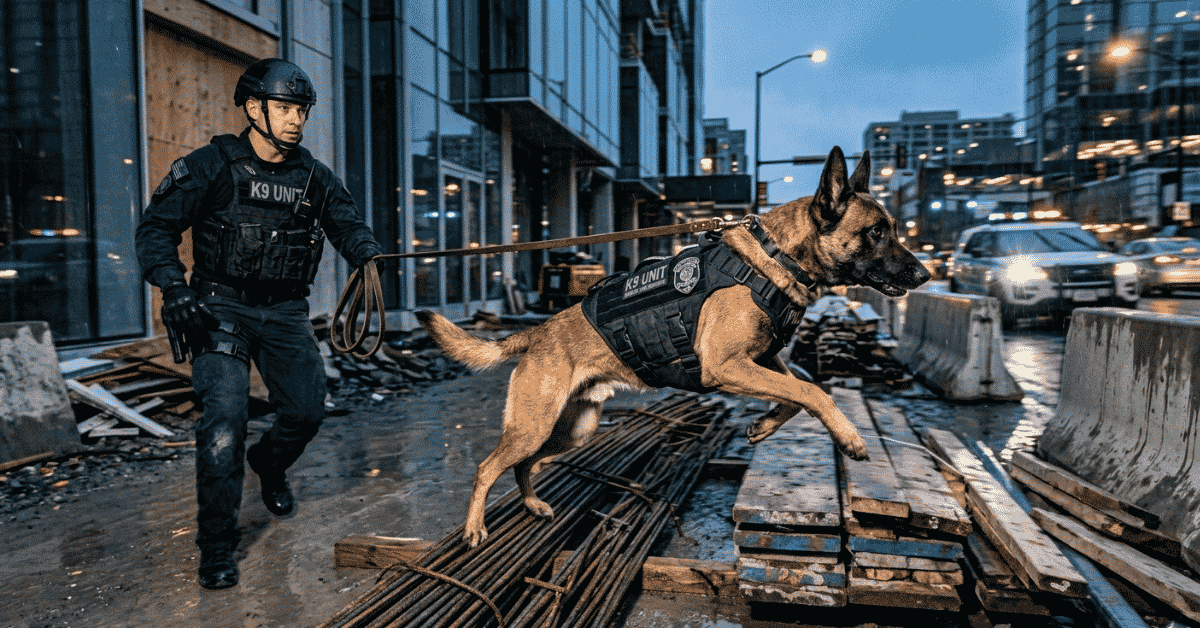
With the Industrial Revolution came a loss of traditional farmland across Europe, jeopardizing the original usefulness of pastoral herding dogs. Instead of vanishing into obscurity, the breed showed incredible versatility that would change Belgian Malinois breed history for good.
Progressive police officers in cities such as Ghent understood that the hard drive, fearlessness and malleability of these dogs suited them perfectly for urban protection and law enforcement. By the 20th century, police departments in Europe had started employing Malinois. This period helped shape the breed into an unflinching guardian and an about champion in obedience—both calling cards which would attract attention from militaries worldwide.
Global Expansion and Modern Legacy
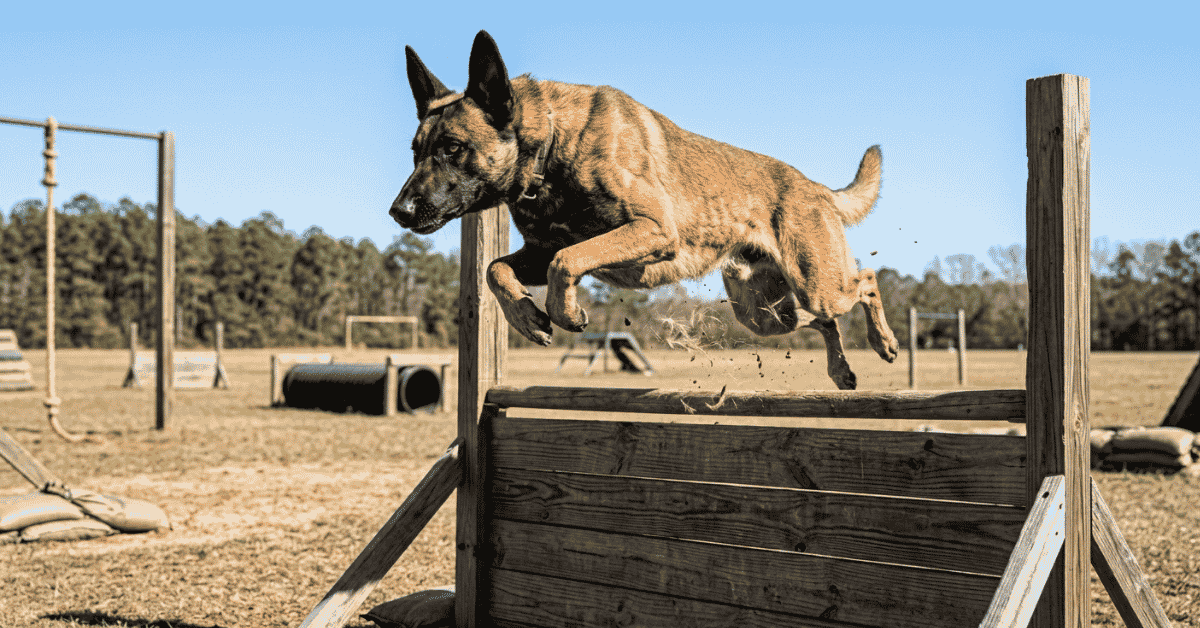
Over the following decades, the breed found its way across oceans to become one of the mainstays of North American and other countries’ fur farms. The variety eventually gained recognition from major kennel clubs, transforming the breed’s identity from a rare European import to an honored participant in obedience, agility, and tracking sports.
Now, everyday history is being fought by the Belgian Malinois breed in high-tech life or death situations all across the planet. They are the loyal working dogs of special forces, search-and-rescue teams and police squads. However, their high-powered work ethic is still matched only by the loyalty that these dogs show to devoted owners who are aware of and honor their serious heritage. In the end this amazing dog is proof that solid function doesn’t age as all others.
Passionate WordPress blogger sharing clear, helpful guides, simple tips, and practical ideas to help readers learn, grow, and succeed online.