Introduction
In fact, bringing a dog home is a big decision, and picking the breed matters just as much as picking the dog. The Shiba Inu is lovely, clever, devoted, clean, and full of character, but this breed may not suit every home. But before you fall in love with the fox-like face, curled tail, and confident look of a Shiba Inu puppy, you must ask yourself one honest question: Is a Shiba Inu Right for you? This guide will help you understand the temperament of their breed, ease of care, potential training challenges you may face, possible health risks to be aware of, likely costs, and whether they can fit into your lifestyle before making a decision.
What is Special About the Shiba Inu?
The Shiba Inu is special because it packs independence, watchfulness, elegance and a fortitude of character into a small frame. Shiba owners like to say their dogs are cat-like since the Shibas can favor cleanliness, a personal bubble, and independence. They love their families, but are not typically a clingy dog that begs for attention. The curled tail, erect ears, thick double coat and confident expression helps to create a fox-like appearance. The AKC describes this alert and active breed as attentive, known for moderate grooming needs, and copious shedding. (American Kennel Club)
Who Should Read This Guide?
This guide is for you if: You are contemplating whether or not to adopt a Shiba Inu puppy, adult Shiba Inu, rescue Shiba or re-homed Shiba. It’s particularly good for first-time puppy parents, flat dwellers, folks with kids, cat-owners, and anyone who wants a clever but self-sufficient companion. If you wonder if a Shiba Inu is right for you, you need discipline before anything else. Shibas can make great dogs for the right owner, but they’re also a recipe for frustration when they’re in homes that assume an obedient, eager-to-please off-leash, low-maintenance dog.
Quick Overview of the Breed
Shiba Inu: The Shiba Inu is a Japanese breed of dog, originally developed for hunting purposes (shiba means brushwood) and is a small-to-medium breed. It has a reputation for making bold, clean, intelligent, independent, loyal, and sometimes stubborn choices. According to the AKC breed standard, male JRTs are typically between 14.5 and 16.5 inches tall, while females measure around 13.5 to 15.5 inches, with an average weight of about 23 pounds for males and around 17 for the gals. Most Shibas live into their early to mid-teens, and statistically speaking, PetMD pegs the average Shiba Inu life expectancy around 13 to 16 years old (Shiba Inu Puppies) (PetMD)
Understanding the Shiba Inu
What Is a Shiba Inu?
The Shiba Inu breed is the smallest member of the spitz family, compactly built with a tightly curled tail and sharp expression alongside an alert disposition. Although small, it is not a toy breed. He is sprightly, vigilant, and exceptionally hefty for his dimensions. This helps explain the calmness, lightning reflexes, and notable prey drive of a breed that was used to hunt small game. Wondering if a Shiba Inu Is Right For You? Keep in mind that this is not just some adorable internet dog. This is a truly working-type breed that has instinct, opinions, and a need for structure.
History and Origin
One of Japan’s oldest native dog breeds, Shiba Inus have deep hunting roots set in mountainous terrain. Because of its small size, quickness, and keenness it was useful in flushing birds and other small game. Its name is sometimes associated with brushwood or small stature, indicative of its history. The modern Shiba can be influenced by this history. Just like the more experienced dogs, many Shibas are still fast, alert, independent and driven by movement. This history gives you some insight into why they might chase animals, resist repeating training and be interested in assessing situations versus simply following commands.
Why the Breed Is So Popular
The Shiba Inu is popular because it looks good, is also very clean and quite expressive, plus has high marketing potential. With its fox-like face, curled tail, and royal demeanor, it is one of the most recognizable dog breeds. The breed rose in fame with the help of social media, as Shibas tend to have very expressive faces and hilarious reactions. But popularity is a double-edged sword. Most people look at it with the cute side but [not realizing] the hard effort that goes into it. However, the question should not be if Shibas are cute. But the straw that broke the camel’s back Is a Shiba Inu Right for You? Depending on your lifestyle, how patient you are, and what manner of trainer you are.
Key Breed Facts at a Glance
Shiba Inu Overview: Shiba Inus are typically small to medium healthy, athletic dog breeds. Preferred size is about 23 pounds for males and 17 pounds for females. Famous Shiba Inu Puppies: The breed is classically characterized by a thick double coat, seasonal shedding, pointy ears, curled tail, and strong-willed nature. Common colors are red, black and tan, sesame, cream; however, breed standards often regard several of the possible shades differently under registry guidelines. Shibas are smart, independent, tidy, and observant. They typically thrive best under seasoned or very well-organized owners who appreciate discipline, steadfastness, and regularity.
Shiba Inu Appearance
Size and Weight
Shiba Inus are small, but hefty canine breeds. They are not delicate lap dogs and should neither appear overly diminutive or too large. AKC Breed Standard: If you want the common height standard, males are 14.5-16.5 inches, and females are to be 13.5 -15.5 inches at the withers. Men’s average ideal body weight is 23 pounds, while women’s is 17. Small size makes for practical apartments, but their energy and personality do need more managing than stature would suggest. Even a small Shiba can be headstrong, agile and never requiring much.
Coat Types and Colors
They have a double coat that is stiff on the outside and soft and dense underneath. This also means regular shedding since the coat helps to protect your dog from the weather. Red, sesame, black and tan, and cream are the usual colors. Although red is the most well-known color, all Shibas should have even, balanced confirmation and coat texture. Due to the heavy shedding of the undercoat, especially during seasonal coat-blowing episodes, owners must expect loose hair throughout the house. A Shiba is neither a low-shedding dog nor a hypoallergenic dog.
Fox-Like Features
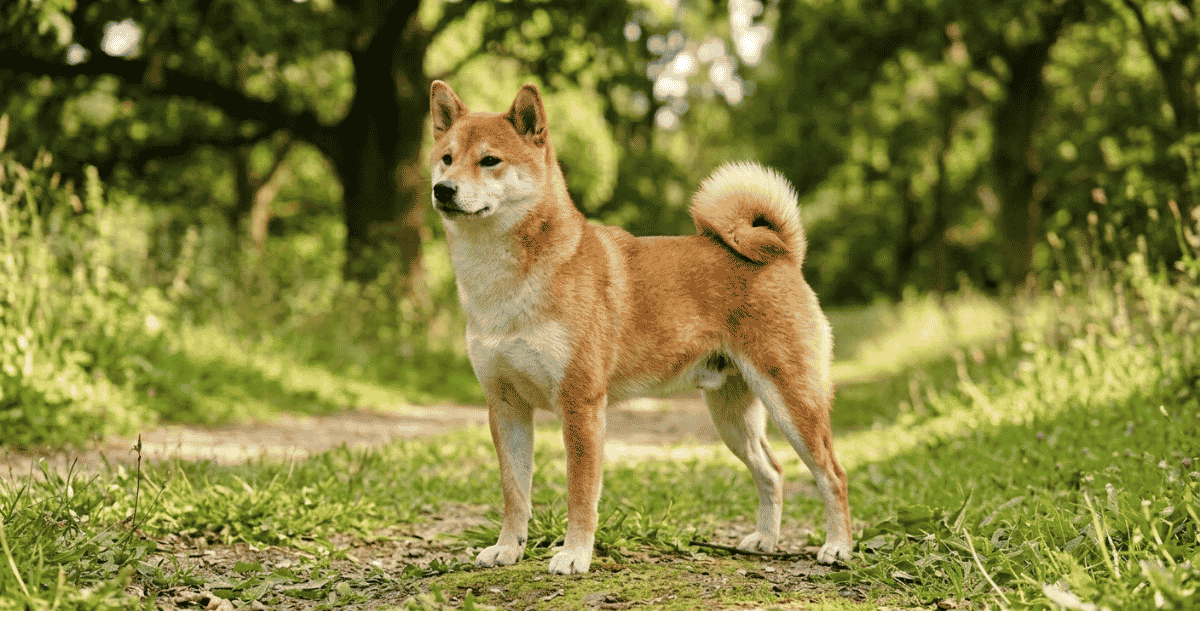
The Shiba Inu is perhaps best known for its fox-like appearance. The breed typically features a wedge-shaped head with pointed ears, dark almond-shaped eyes, a curled tail, and an expression that is cocky. Those features provide Shibas with a devilish, sharp-but-innocent kind of appearance. They are light in movement, nimble, and tend to take an upright posture. What is true is that it attracts a lot of potential owners for its appearance, but looks should not be the only reason to choose the breed. The alertness that makes the Shiba beautiful also makes it independent and quick on the reaction.
Average Lifespan
The Shiba Inu is often touted as a long-lived breed, with an average life expectancy of 13–16 years when well cared for. (PetMD) How long they live will depend heavily on genetics, diet, weight control and dental health, veterinary care level, and activity and lifestyle. A healthy Shiba, meanwhile, may be active and alert until a very senior age. Given the breed’s ability to live for over 10 years, owning one should be a long-term commitment. So, is a Shiba Inu right for you? Not just in cute puppyhood but also taking care of an adult dog, a senior dog and the possible medical costs- lifestyle change.
Shiba Inu Personality and Temperament
Independent Nature
The Shiba Inu is notoriously strong- willed. The dog is still a loving family pet – it just means that this type of breed often makes up his own mind. A Shiba might obey when the command is relevant, he has plenty of motivation to comply, or if training is consistent, but if a command is repetitive and boring, for instance, this doggy may simply roll over. That independence can be endearing for owners who appreciate personality but can make the breed difficult for people looking for immediate obedience. If you want a dog that is continuing to ask what comes next, a shiba may not be your best bet.
Intelligence and Confidence
Shiba Inus are very smart dogs, but their intelligence does not come through as obedience. You get to observe them learning quickly, identifying patterns of behaviour, referencing their experiences, and often testing boxes! Shibas can learn to open gates, escape unwanted handling, swipe food, or take their time coming back inside. Confidence is another major trait. A lot of Shibas walk around with an air of dignity and might not want to back down. Intelligence and confidence require calm leadership. Strong training can break trust, whereas weak boundaries will cause pushy actions. The most successful owners are those who have the patience, consistency, and observational skills.
Loyalty to Family
Shibas generally aren’t the most clingy but are known to be extremely loyal to watch over their people. Most of them bond strongly with their people, and many like consistent routines, familiar spaces, and trusted companions. You may find their loyalty comes not in rolling up sleeping elsewhere every other night away but in persistent presence. You can have a Shiba, and it will just sit next to you, follow you in every room from room or guard the premises without demanding attention each minute. This manner of love is ideal for septuagenarians who honor an independence in their dog. Expect a sugary lapdog that’s needy; you are destined for disappointment. If you like a shy-faithful companion, a Shibu can be rewarding as well.
Behavior Around Strangers
Most Shiba Inus are wary of strangers. Not every cat will rush to greet you; some prefer to observe from afar before they engage. Therefore, adequate socialization is necessary so that caution does not become fear or hostility. A properly socialized Shiba will usually be suitable for outings where they need to be well-mannered and at ease, but many still tend to choose their friends and who gets into their personal space. Never let a stranger pet an uncomfortable Shiba, even if the owner tries to force it. Instead, the new people are made to predict exciting good things happening around the dog while still understanding that the reason for letting go is because of something much more important than her.
Vocal Habits
All in all, Shibas are not persistent barkers, but they can certainly get vocal from excitement or annoyance (usually if they’re being petted in a way they don’t like) or when they’re scared. The infamous “Shiba scream” is a loud, dramatic vocalization that some Shibas make during nail trims, vet visits, baths, or emotional moments. They might bark to alert the household, complain, or just talk. Not all Shibas are chatty, but if you live in an apartment, consider yourself warned. Training, desensitizing, exercising, and being handled calmly will lessen the unnecessary vocalization, but at the end of the day it still depends on a dog’s personality.
Prey Drive
Your Shiba Inu was bred to hunt, so it has a strong prey drive. A lot of Shibas have a high prey drive when it comes to squirrels, birds, rabbits, cats, and fast movement. This is one reason off-leash freedom can be dangerous. Even a trained Shiba will sometimes go deaf if prey is present. Safety (secure fencing, on-lead walks and exercise areas). Extra precautions are needed with homes with small pets. While some Shibas learn to cohabit with the family cats given proper raising and supervision, no small animal (rabbit, hamster, bird) should ever be left within range.
Protective Instincts
An alert breed, Shibas will defend their home territory but are not generally guard dogs. They might bark at strange noises, watch visitors closely, or put themselves between family and a perceived threat. What they are instinctively designed to do does not make these breeds capable of professional protection. Unmanaged suspicion morphs into reactivity, fear, or aggression. The desired outcome is a well-socialized dog capable of detecting changes but not over-reacting. Rewarding calm behavior, not encouraging aggression, and helping the dog feel safe in situations is what a Shiba owner should be doing.
Is Shiba Inu a Good Family Dog?
Living With Children
Yes, Shiba Inus can live with children, but they are not the perfect children’s dog just because they live with one. The AKC also points out that children should never be left unsupervised with dogs, particularly young children or those with little dog experience. Shibas tend not to take well to rough handling, grabbing, chasing, or loud and chaotic behavior. They work better with well-mannered, respectful children who know their boundaries. Parents can enlighten children about not pulling ears, NOT bothering the dog while he is eating, and not cornering the dog. A Shiba can become a delightful family dog given structure, supervision, and early socialization, but management is everything.
Living With Seniors
A Shiba Inu may suit some seniors, especially active seniors who walk regularly, enjoy routine and a clean housemate. Because of their relatively small size, Shiba Inus are often good at being housebroken as well. But elders should take into account the dog’s power, prey drive, stubbornness, and grooming needs. A Shiba who lunges at squirrels or does not come when called is hard work for an owner with mobility difficulties. In fact, adult or senior Shibas from a rescue who know their temperaments are likely to be better for older owners who want predictability than puppies.
Compatibility With Singles
Shibas can be a great companion to singles, since they are independent enough not to require constant attention from their owners but will in return form a close bond with them. This breed may benefit from having owners who are self-employed and utilise a predictable routine, while enjoying daily strolls. But if your dog suffers boredom or anxiety, long days can be tough when they’re away from home. Exercise, training, enrichment and backup care — these need to be scheduled like appointments for singles. A Shiba should not be a decoration or status pet; it requires engagement and structure in a daily basis.
Living With Other Dogs
Shibas can live with other dogs, but compatibility varies by sex, socialization, personality — and management. Certain Shibas are particular, in charge, or unacceptant of rude conduct from other canines. It is a same-sex tension in certain kinds of households. Important: slow introductions, neutral territory, separate feeding and rules. Most Shibas would rather hang out with a dog who is calm and respectful as opposed to an overactive playmate. Dog parks are not always ideal because uncontrolled encounters can lead to a conflict. A companion dog is carefully matched to the home, but owners should not expect instant friendship.
Life With Cats And Other Pets
If introduced when young and supervised, a Shiba Inu can live with cats. However, due to the drive of the breed, this needs to be a careful decision. If you master an unusual characteristic of the individual animal, like a dog that is normally relaxed, but if he acts like a running cat may lead to chasing. Rabbits, guinea pigs, hamsters, ferrets, and birds are also small pets that should never be treated like playmates but rather protected behind barriers. For those of you who already own the other pets, read Is a Shiba Inu Right for You from their perspective too. Gradual starts, confined areas, and expectations set within realism make for the safest of homes.
Trainability & Exercise Needs of a Shiba Inu: Is This Dog Good for First-Time Owners?
Why They Can Be Challenging
Due to their independent expertise and strong wills, Shiba Inus are not often the best choice for first-time dog owners. You may have a dog that doesn’t move well when on leash, resists pressure of the leash, uses avoidance behaviors such as barking and up-charges when called forth to obtain foodstuffs — it could be an overall issue with small prey animals. People who are typically not inspired by people-pleasing alone. Training takes time, reinforcement, not punishment, repetition, and calmness. A new owner who expects a naturally obedient dog can become frustrated. But a well-prepared novice who researches the breed, gets professional help, and commits to socialization early may do just fine. Preparation, not experience, is the real problem.
Traits Experienced Owners Appreciate
The Shiba Inu is highly intelligent and clean yet confident, strong-willed, and stubborn; seasoned dog owners tend to really enjoy them. They might like a dog with personality and not one that acts just like every other breed. Shibas can be dignified, funny, loyal, athletic, and rather sweet in their own way. A bond built on trust can be created by owners who interpret communication and motivation. This breed pays back those who respect independence but does NOT tolerate unwelcome habits. A Shiba is a character dog and for the right owner, that Suess-like nature is not a downside: it is the main selling point!
Common Mistakes New Owners Make
The biggest mistakes include letting a Shiba off leash too early, using excessive punishment, not enough socialization, having it shed or being uninterested in prey drive, or cutest puppies in bad habits when they are puppies because they are the cutest. Other owners skip the handling exercises during socialization, which can make grooming and vet care stress later in life. Another error is expecting the dog to behave like a Golden Retriever or Labrador. Shibas are a different story. Prevention, consistency, and positive reinforcement from the get-go are key for new owners to have success with this breed. The adult dog is the product of what he learnt as a puppy.
Training a Shiba Inu
Are Shiba Inus Easy to Train?
They’re simple to train yet not necessarily the most straightforward to command. They will quickly learn words, routines, and rules, but they may pick and choose when to play along. This difference is important. Or a Shiba will know “come” perfectly, but if chasing after the neighbor’s squirrel, better than just food left alone in the house. Training should be brief, enjoyable, regular, and rewarding for the dog! With food rewards, attempts to play, praise and access for interest-related activities can assist. The repetitiveness without a purpose regularly bores the breed. Along those same lines, owners should do their training each day but just in short little bursts.
House Training
Although some Shibas are very clean animals, which makes house-training easier. However, puppies still need structure. Go outside after waking, eating, playing, and napping. Reward successful outdoor potty use right away. Do not punish accidents because the puppy will either hide from you or learn nothing from it. Crate training can be beneficial when introduced in a positive manner but should never devolve into punishment. Consistency, supervision, and repetition are your best friends. Adult rescue Shibas will often spend a week or so in the adjustment phase to a new home and schedule.
Obedience Training
Obedience training should include practical skills like name response, sit, down, stay (also see below), leave it, drop it, leash walking, recall/retrieving, and waiting at doors & other handling situations in a calm state. That a Shiba is taught that collaboration pays off and sets them free. Because the breed can be stubborn, owners should never treat every command like a battle. Instead, put the dog in a position to win. Take advantage of high-value rewards when there are distractions. Study in a more quiet location first, then slowly work your way up to a more difficult setting. No need to train long; be consistent.
Socialization Tips
But socialization is getting a Shiba dog so he feels calm and confident around various people, places, sounds, surfaces, as well as dogs, vehicles, grooming tools, and handling experiences. It does not equal making the dog do aversive things. Socialization should be well controlled, and they get good vibes from it. If the puppy needs to watch, calm behaviour should be rewarded and scary situations avoided as this may cause a lifelong fear. For adult Shibas, gradual exposure works best as well. In other words, as long as a Shiba can be calm and bounce back from the things it sees that are new, your Shiba does not need to love everyone.
Positive Reinforcement Methods
This is where positive reinforcement comes in for Shibas — it makes training feel productive. The rewards that can be given may vary from food, toys, sniffing, praise, chase games, or just gaining access to a special place. The trick is to use what the individual dog wants. By October 2023, you will be an expert, avoidant or knowledgeable about making Shibas defensive, untrustworthy, and/or obedient with harsh corrections. This does not mean that there are no rules in reward-based training. It is all about clear teaching, reinforcing desirable behaviour and not allowing rehearsal of bad habits. Because a Shiba trusts its owner, it is less likely to perform unacceptable behaviours and more prone to cooperate, tolerating handling or responding in the face of temptations.
Mental Stimulation Ideas
The Shiba Inu dog requires both mental and physical exercise. Puzzle feeders, scent games, hide-and-seek, trick training, food-dispensing toys (like Kongs and other stuffable toys), structured walks and/or obedience games can stave off boredom. Searching the room for treats can cater to a Shiba’s natural curiosity. Rotating toys keeps novelty high. Several brief training games during the day are often better than a long session. Just remember, alone time can drive even a mentally healthy dog nuts, so you will need some form of mental exercise (Shibas are especially vulnerable to this if they are apartment dogs or have separation anxiety). A bored Shiba may create its own entertainment.
Common Training Challenges
These include poor recall, pulling on leashes, resentful behaviour to the process of being handled in specific areas, resource guarding behaviours, and selective listening (rarely these days does a loving owner have to resort to an old fashioned shout/method), reactivity (entrepreneurial dog establishments and fields particularly prone), and chasing animals. While some of these issues can be addressed after they occur, it is far simpler to preempt and avoid them entirely. Before we let go, recall needs to be trained on a long line! You should combine treats with handling. Respect here includes how bowls, toys, and sleeping areas are handled. If aggression, extreme fear, or resource guarding develops, owners should consult a veterinary behavior professional or a qualified positive-reinforcement trainer. Behavior patterns can strengthen if you wait too long.
Exercise Requirements
Daily Exercise Needs
Exercise: A Shiba Inu usually requires exercise every day, but the quantity they need depends on their age, health, and temperament as well as the environment they live in. This includes plenty of physical and mental exercise, using home-friendly activities such as brisk walks, some sniffing time at the park, and performing basic training games at home or safe play with other dogs. While puppies require much more than just this when first returning home, many adult Shibas can have a schedule like dancing in a show ring! Most pet care references suggest giving active Shibas about an hour-long exercise a day, but this can depend on the dog. Dogs also require shorter, more age-appropriate play as trainers should be mindful of puppies and senior dogs needing gentler movement (BorrowMyDoggy) Exercise is not simply a way to fit out the body, but more importantly poses a challenge for the mind. So a physically tired but mentally bored Shiba may still get into mischief.
Indoor vs Outdoor Activities
Having outdoor time for sniffing, walking, exploring, and burning energy is essential, but so is indoor enrichment. Due to their high prey drive and poor off-leash recall, exercise outdoors needs to be either on leash or in a secure fenced area. Indoors, you can use puzzle toys, have training sessions, play scent games, tug, or chew calmly. Daily trips and the right indoor activities can help apartment owners do well. Yard helps but is not enough in and of itself. A Shiba by himself in a yard will dig, break out, bark or bore itself.
Best Games for Shiba Inus
Shiba games include searching for treats, flirt pole in the backyard/or large enclosed area (keep it structured), puzzle feeders, hiding and seeking with the Shiba at home or someone else’s house between people outside the family they trust, tugging with rules only like sit waiting to play/take a turn with another dog if other person plays fetch personally my shibas hate fetching i know weird! Not every dog will like the traditional fetch, since some Shibas would rather chase than retrieve. Scent-based games are especially useful as they stimulate the brain and promote concentration. Short, rewarding training games. Good activities make the dog think; they also get some appropriate movement and cooperation without becoming too frustrated or overstimulated.
Preventing Boredom
It is important not to be bored because a bored Shiba can become destructive, loud, or hard to control. Rotate toys, offer chewing utility items, use food puzzles, and update walking routes alongside teaching different skills often. Do not only depend on physical exercise. A Shiba who is going through the same day every day may be bored. Another aspect of boredom is that it can lead to more escape attempts, as well as digging and attention-seeking, A predictable routine built on variety within that routine leaves a dog feeling secure without it being deprived of stimulation.
Grooming Needs
Coat Care
And their double coat is gorgeous—but it requires regular upkeep. The coat should never be shaved as it serves to regulate temperature and shield the skin. Brushing your coat regularly removes loose undercoat that sheds, reduces matting, and keeps a healthy shine on the coat. The outer coat is somewhat naturally dirt-resistant, and numerous Shibas groom like cats. Nevertheless, grooming can’t be overlooked. Coat care is also an opportunity for owners to examine the skin for irritation, fleas and ticks, lumps or painful areas. Good nutrition, brushing, and continual preventive veterinary care are the foundation of a healthy coat.
Brushing Schedule
A lot of Shibas can handle a weekly or bi-weekly brushing when not in peak shedding months, while heavier shedding breeds usually need to be brushed more often. In a coat blow, daily brushing may be required to control loose undercoat. A slicker brush, undercoat rake or a deshedding tool may be of assistance, though caution must be taken in the use of these tools to avoid irritating the skin. Stroke puppies from an early age and reward them so that they learn grooming is not a threat. Short, positive sessions are better than long fights. Repeating the same procedure makes grooming easy over time.
Seasonal Shedding
One of the biggest shocks for new Shiba owners is how frequently they shed! Shibas also “blow coat,” shedding large quantities of undercoat when seasons change. For several weeks, we experience clump after clump of hair in the brush. This is normal for the breed. We manage cleanup with vacuuming, lint rollers, washable covers, and frequent grooming. Anyone wondering if the Shiba Inu dog is right for them? Cautious of what you are trained to tolerate as how-to hair, through October 2030. While a Shiba can be clean, it is not a dog that sheds minimally.
Bathing Guide
Shibas typically should not be bathed very frequently unless dirty, smelly, or have skin issues. Bathing too frequently can dry the skin and coat. If regular dog shampoo is trapped in fur, irritation can develop, so wash the dog using a gentle shampoo and rinse completely. So, A lot of Shibas hate baths; therefore, it is recommended that you introduce water gradually and reward them for remaining calm. Drying is crucial because that heavy undercoat can retain water. If your Shiba has allergies or skin problems, consult with your veterinarian on whether medicated shampoos or a specific bathing schedule is needed.
Nail Care
Shibas are also known as notoriously difficult dogs to do nail care on, as a lot of them really do not like their feet touched. Approach early with gentle paws touching and reward calm behavior. Take away small portions at a time or nail grinder being the other option, if the dog does allow it better. Long nails cause discomfort and bad posture and movement. If during the trim panic and scream, don’t forcefully do it. Take it slow, reward with high-value treats, and enlist the help of a vet, groomer, or trainer. Cooperative care training can help a lot.
Ear Cleaning
Shiba Ears are upright, which brings airflow, but still need the occasional cleaning. Signs you may notice are redness, odor, drainage in ears, scratching or shaking head. Only clean as required with a veterinarian-developed ear cleaner. Do not insert cotton swabs deep into the ear canal. Recurrent ear issues may indicate an allergy or infection, which should be investigated by a vet. According to PetMD and veterinary sources, Shibas can develop allergies, and itchy ears can even be part of skin allergy patterns. (PetMD)
Eye Care
The eyes: Monitor for redness, cloudiness, squinting, discharge, rubbing, or changes in vision. The Shiba Inu Club of America says the breed is prone to a range of eye diseases, including cataracts and progressive retinal atrophy. Regular medical exams assist in early detection of issues. That said, because eye disease can progress rapidly, owners should not dismiss changes in their dogs’ eyes. Make use of gentle products across the face, avoid harsh and irritating formulations around the eyes, and seek out veterinary care when signs are noticed.
Dental Care
Your raw diet would also help them maintain a healthy mouth because small to medium dogs can be very prone to tartar and periodontal disease. Use canine-safe toothpaste, provide dentist-approved chews, and get a vet dental evaluation where necessary. Dental disease may be indicated by bad breath, red or bleeding gums, loose teeth, drooling, and chewing problems. Dental issues can impact general health and cause pain even if the dog is not showing any signs of a problem. Early tooth brushing makes things easier. A mouth that is healthy helps with comfort, appetite, and prolonged quality of life.
Feeding and Nutrition
Choosing the Right Dog Food
Feed your dog a high-quality dog food appropriate for his age, size, activity level, and health conditions. Puppies require growth formulas, adults need well-balanced maintenance diets, and seniors typically benefit from reduced calories or other joint-supportive nutrition. Seek out foods appropriate for established nutritional standards and do not choose based solely on marketing claims. Diet can be introduced with vet supervision, as some Shibas do suffer from food sensitivities or skin allergies. That brings us to portioning; too much weight is very rough on joints, such as patellar luxation or hip dysplasia.
Feeding Puppies
Pandals B30 Shiba puppies should eat puppy food that balances their dietary needs for healthy growth. Do not free-feed (unless your vet provides you a reason otherwise); feed measured meals. Puppies typically consume several smaller portions every day, before changing to fewer portions once they become adult. Overfeeding is also a problem because puppies grow fast and the joints need to be able to support them. Training treats are a part of the daily calories and should be counted. Its also the best time to teach polite feeding, prevent resource guarding, and to have gentle handling around their bowls with no anxiety.
Feeding Adult Shiba Inus
Adult Shibas generally do well with meals once or twice a day, measured. The precise value depends on the calorie density of the food (more calories per gram), and dogs’ individual weights, activity levels, metabolisms and body conditions. An energetic Shiba may require more calories than one sprawled out on the sofa. Rib should be felt under minimal fat cover, and a visible waist when viewed from above. If the weight varies drastically, get a vet opinion. Feeding appropriately supports energy, coat quality, digestion and relief from injured joints.
Portion Sizes
Serving sizes should be determined by calories, rather than cups. A dog food caloric value feeding guide printed on bags is a starting place, not a precise rule. Monitor your Shiba’s weight and physical condition, then make changes accordingly. Scroll down for treatment suggestions, but foods are a giant supply of energy—particularly treats, chews, desk scraps, and training rewards. Even the little extras can make a difference, because Shibas are rather small. For precise measurements, utilize an accurate measuring cup or kitchen scale. Your role is to spend fewer calories, and your dog can exercise more. If they start to lose weight for no reason, see the vet!
Healthy Treats
Healthy training treats for dogs can be small bits of lean cooked meat, commercial training treats (look for low-calorie options pet safe caries), carrots, green beans, and blueberries. Your training treats should be small because that’s all the Shiba needs. The high-value treats work for recalls, grooming practice, vet handling, and challenging distractions. Be careful not to offer too much, as too rich food may cause stomach upset. They are meant to supplement training when used appropriately – they are not a replacement for regular balanced meals. A reasonable rule is treats comprise a small portion of daily calories.
Foods to Avoid
You should never feed Shibas poisonous foodstuffs including chocolate, grapes, raisins, onions, and garlic, macadamia nuts and their products, alcohol and caffeine, or xylitol. Raw bones are safe; cooked bones splinter and cause injury. Some dogs are prone to digestive upset or pancreatitis from fatty table scraps. Do not randomly feed leftovers; make sure they are safe. If your Shiba ingests something toxic, do not hesitate to contact a veterinarian or poison control service. Secure garbage bags, counters, the trash, and children’s foodstuffs because, as we said, Shibas are originally clever opportunists fully trained to break every rule in human life. Emergency response is so much more difficult than prevention.
Common Health Problems
Patellar Luxation
Patellar luxation is when the kneecap slips out of place. It can result in skipping steps, limping, soreness, or difficulty moving; you may even end up with arthritis. Veterinary sources cite patellar luxation as a health issue seen in Shibas. (VCA) Milder cases can be managed with maintaining weight, modification of exercise, and monitoring, while severe ones may need surgery. Owners should look for altered gait, stopping jumping or lifting a limb inappropriately. The best thing you can do to decrease stress on the joints is to stay at a healthy weight.
Hip Dysplasia
Hip dysplasia is an inherited developmental defect that occurs when the bones of the hip joint do not fit properly together. This can cause pain, arthritis stiffness, and loss of mobility. According to VCA, hip dysplasia is one of the Shiba Inu’s genetic health problems. s (VCA): Responsible breeders screen breeding dogs for orthopedic problems. Many puppy owners can help prevent hip dysplasia by keeping their puppies at a healthy weight, avoiding high-impact exercise, and seeking veterinary care once symptoms are visible. Signs may include bunny-hopping, stiff after resting, difficulty rising or not wanting to use the stairs.
Allergies
One of the common problems in Shibas is allergies. You will often see these manifest as itchy skin or lesions, paw licking and chewing, face rubbing, ear infections, redness and hair loss, or frequent hot spots. Canine allergies are among the most common breed problems, described as frustrating by the Shiba Inu Club of America; however, veterinary sources have noted that an allergic reaction in dogs often does not manifest with sneezing, but instead with skin conditions. Treatment is based on this cause → flea control, hay portion trial, pharmaceuticals, medicated baths or house management including shampoos. Never ignore a persistent itch.
Eye Conditions
Eye disorders, like cataracts and progressive retinal atrophy (PRA), can also be a concern in Shibas as well as distichiasis, entropion, or any other hereditary eye defect. For example, the breed health information from the Shiba Inu Club of America lists various eye problems. But as you can guess, it is still important to detect them earlier so that your comfort and vision can be preserved: Eye problems. (Shiba Inu Puppies) If an owner observes cloudiness, squinting, redness, bumping into objects, or not wanting to move in low-light conditions, they should take their dog to a veterinary exam, but responsible breeders should only breed with screening. Waiting on eye disease is not an option.
Dental Disease
Dental disease is very common in dogs and can affect Shibas when oral care is not practiced. Plaque hardens into tartar, and the gums become inflamed, while infection may compromise teeth as well as supporting materials. Dental pain may lead to alterations in chewing behavior, halitosis, salivation, and irritability. Because dogs will most often hide pain well, owners often won’t notice until disease is advanced. Tooth brushing, dental chews, professional cleanings and regular exams are all ways to prevent problems. Utilize rewards and short, releasing sessions for a Shiba that fights against mouth dealing with
Anxiety and Stress
Stress, fear (especially loud sounds), separation anxiety, confinement frustration, and handling anxiety can be common in Shibas as well. Just because they are independent does not mean they can not feel hurt. Signs of distress are vocalizations, pacing, destructive chewing, hiding, reactivity, refusal to eat, or escape attempts. Sudden behavioral changes must all be looked into, as pain or illness can also induce anxiety-like behaviors. Help may be along the lines of maintaining a routine, having plenty of treats for positive reinforcement for good behavior, exercise, a safe place to rest, and slowly by hour training with shorter periods of time alone. In more severe cases of anxiety would need a vet or competent behaviourist to help.
Preventive Care Tips
Examples of preventive care include regular veterinary exams and vaccinations, parasite prevention, dental care, weight management and exercise, grooming, and early behavior support. Good breeders will screen for known breed conditions, and buyers should be requesting proof of health. Cornell also advises asking breeders about health testing, conditions breeds have a higher risk for, guarantees, and if the breeder will take the dog back should life circumstances change. Preventive care is not simply a matter of averting sickness; it offers your Shiba the best opportunity for longevity, comfort and stability.
Living With a Shiba Inu
Apartment Living
However, should you exercise it properly and provide adequate enrichment to your Shiba Inu’s mind and keep them quiet, then yes, you can own a Shiba Inu in an apartment. Although the breed can live in an apartment, it does require training not to chase everything that moves. Apartment-dwelling Shibas require walks, training, puzzle toys, and calm times every day. They should not be left to boredom for long. With the unpredictable demeanor of a Shiba Gala, your dog may startle easily or get excited and even attempt to bolt; hence the need for secure leashes and harnesses. In other words, good apartment owners have an active mindset rather than a passive one.
Homes With Yards
In particular, your yard might help (but a yard does not replace walks, training, or interaction). If left to their own devices outside, Shibas might dig, patrol, chase wildlife, bark, or look for a way to get out. Fencing should be secure, including any gaps or loose gates and/or objects that are climbable onto the fence. You live for months with a few Shibas only to be surprised by the Houdini-like abilities that some possess. Yard time should be kept under whatever supervision is necessary, especially in new homes. The yard should not be the dog lifestyle, but should be used as an enrichment area for games, training, sniffing, and safe play.
Traveling With a Shiba Inu
You can’t just travel with a Shiba. The dog needs basic skill crates, car rides, handling on leash, and acceptance of new environments. Don’t forget familiar bedding, food, water, and bowls for your pet as well as waste bags, grooming supplies, and medical records in the event that you touch base at a vet or need to separate them from other animals – as well as solid ID. Because Shibas are somewhat skeptical of new locations, expect the Shiba not to chill straight away in hotels, family houses, or packed public areas. Take short travel trips before taking longer ones. In vehicles, use a crash-tested harness or an optional crate secured for protection. Travel is made easier early on in the training.
Leaving Them Alone
They are an independent breed; however, no dog of any kind should be left to their own devices all day without exercise, socialization, or enrichment. Some handle alone time just fine, while others get bored or become anxious. Gradually build alone time starting from short absences. One should provide them with safe chew items, puzzle feeders, and a place to rest. Avoid emotional departures and arrivals. If you have a long workday, look to dog walkers, trustworthy family assistance, daycare only if your Shiba likes it, or walks scheduled during your lunch. Independence is tolerated neglect.
Daily Routine
In a good daily routine, the Shiba wakes up, goes potty, has a walk, eats meals happily, has some short training sessions intermixed with rest and enrichment time around home or in places outside of home if necessary like parks; they get another walk/play session followed by grooming practice if required (to keep its coat healthy) & finally calm evening time making it through the day intact. Shibas tend to thrive when rules and routines are predictable. They are comfortable when they know what to expect, but they do appreciate playing different games and walking new routes. Having structure creates excitement and is a great way to eliminate behavioral issues! Daily care should never be a chore but rather part of the relationship with an appropriate owner.
Advantages and Disadvantages of Shiba Inu
Advantages
Pros of a Shiba Inu – Beautiful, Clean, Loyal, Intelligent, Moderate Size and a Full Personality. When their needs are met, many Shibas are quiet indoors. They can be loving without being clingy. They are smaller than many breeds; they are more engaging as companions due to their alertness. Those who cherish independence will find a Shiba to be an excellent partner. It gives you the most joy when you honour its nature instead of attempting to change it altogether.
Challenges
These challenges include: stubbornness, an extreme seasonal shedding cycle, a prey drive (especially as puppies), several degrees of dog-selectivity, handling resistance (some metal toys are not manufactured for handling or quality play with young puppies and require additional training to keep these toys on them so they behave appropriately while wearing other items around their neck). Shibas are probably not the best at having leash-free walks, might not like strangers petting them, and they may also get bored with repetition. They are not perfect for owners seeking automatic compliance or a dog that loves everyone right away. It takes commitment to groom, socialize, and train. If you have the question Is a Shiba Inu Right for You?, your honest answer depends on whether you read these problems as sounding surmountable or Sisyphean.
So, Is This Breed For You?
The answer is, yes, a Shiba Inu can be well worth the commitment to the right person. With the wrong individual behind the leash, that breed may be perceived as challenging, aloof, and an exasperating pet to keep. Shibas are best for owners who enjoy training, appreciate independence, manage the drive to chase prey, can deal with shedding, and keep a regular daily schedule. A bit of a handful for someone who needs an easy off-leash dog, a total social dog-park dog, or a soft “perpetual puppy” type beginner breed. As long as your expectations align with reality, the breed may be worth it to you.
Shiba Inu Price: How Much Does It Cost to Buy A Shiba Inu?
Initial Purchase or Adoption Costs
The cost is highly dependent on location, breeder reputation, pedigree, rescue organization, and included vet care. Available at much lower cost than most breeders, adoption fees typically include spay or neuter, vaccines, and microchipping. Though reports on the cost of owning a dog differ, adoption fees for dogs range from small shelter fees to a few hundred dollars, and puppies from breeders can easily be thousands — especially purebred ones. Health testing, attention to breeding detail, puppy care, and customer service can make a responsible breeder’s prices higher. Steer clear of puppies from people you suspect are trying to sell you a dog. Wrap-up.
Food Expenses
Because Shibas are medium-sized dogs, their food expenses tend to be moderate compared with large-breed dogs. But high-quality food, treats, supplements, and specialty diets can drive expenses up. Dogs with allergies or digestive sensitivities might need special veterinary diets or limited ingredient foods. Allocate funds for meals both daily and training treats. Price does not equal nutrition; poor quality food has an impact on the coat, energy levels, digestion, and health. Meanwhile, the costliest of foods is by no means the best. Ask your veterinarian for guidance.
Grooming Costs
By and large, Shibas will not necessarily need haircuts, but they do carry expenses related to grooming still. Brushes and nail tools, shampoo and deshedding tools, toothbrushes, toothpaste, and ear cleaner are all available for purchase by owners. Professional grooming can be useful for times of heavy shedding and owners who struggle with nail trimming. Professional groomers also charge extra for difficult dogs, because many Shibas have a very hard time with handling. A cooperative care training process will help minimize stress and expense. Grooming is an added cost, but it should be taken into consideration.
Veterinary Care
Wellness exams, vaccines, parasite prevention, and vet dental care, if needed, spay or neuter (if necessary), lab work, and all emergency care are provided through the veterinary services offered. Estimates for the price of dog ownership might vary widely, but recent reports have pegged annual care costs in the thousands for several households, based on services utilized and location — as well as health needs. (Petplace) Other issues Shibas may require care for are allergies, orthopedic problems, dental disease or eye disorders. Unexpected injuries or illnesses can cost pet owners substantially, so an emergency fund is important, she said.
Training Expenses
Training costs (puppy classes, private lessons, behavior consultations, online courses, training equipment, treat pouches/long lines/harnesses/enrichment toys). Since these puppies are trained early on, this is definitely not a subject to avoid. Group classes are great for socialization and basic manners, but private training is better for reactivity, handling issues, aggression, or serious fear. One that has been through some proper training is much easier to manage in the home, and a well-trained Shiba makes a much better pet overall – safer around people (and other animals) both at home and out in public, requires significantly less stress when grooming and visiting the vet.
Monthly Ownership Costs
Monthly costs There are many factors that influence the buy cost. Depending on your choices and your dog’s health, a realistic monthly budget of modest to expensive might be in order. Annual dog costs range from the lower four figures to thousands a year, according to recent pet ownership reports. (Petplace) Before even thinking about bringing a Shiba home, you should really factor in how much money he or she will cost you to keep healthy and happy, not just the adoption fee.
In this article, you will discover whether to adopt or purchase a Shiba Inu.
Benefits of Adoption
Adoption is a great choice, especially if you’re ok with older Shibas. Adult mutts are typically less temperamental compared to puppies, and rescue groups often have a handle on whether the canine has already been reliable around children, cats, or other dogs, or if it should even be placed in a condo. Adopting also might be cheaper than purchasing from a breeding facility. Some rehomed dogs require a little more patience owing to prior experiences, while many turn out to be totally devoted. When adopting, inquire about behavior, medical history, bite history, escape tendencies, and post-adoption support.
Buying From a Responsible Breeder
A responsible breeder is your best choice for a puppy with known parentage, early socialization, health screening, and breeder support. Asking buyers questions, proactively educating buyers about health issues, not pressuring sales, and really caring where their puppies go — all characteristics of a responsible breeder. According to the AKC, a reputable breeder will interview all buyers and inquire about household, schedule, training plans, and prior dog ownership. The American Kennel Club suggests using a fellow breed who may have insight into good pups to ask about health testing and common conditions for which breeds are predisposed; but also on topics like health guarantees and if they would take the dog back in the future, when applicable (Cornell). (Cornell Vet Med)
Things To Consider Before Taking One Home
If you are considering bringing a Shiba into your house, ask yourself if you can deal with shedding, prey drive, stubborn males into adulthood, their vocal abilities, and how expensive they may be long-term. Find out about temperament and socialization, the parents, any health tests done, immunizations given, feeding routine, and their return policy. Consider if the breed is right for your children, pets, and schedule as well as housing situation. The keyword question: Is a Shiba Inu For You? Background- or at least appearance-based response, January 10th. Choose it according to the time, patience, budget, and lifestyle you can afford with respect to learning.
Is a Shiba Inu Suited for Your Lifestyle?
Best Homes for a Shiba Inu
Shiba Inus tend to do best in very calm/safe/structured and consistent homes. They love to go for a daily walk, train, and do mental enrichment, as well as be respectfully handled. Closely monitored off-leash time, a solid leash routine, and minimal disruption to the established schedule. Shibas do much better in homes with adults or older respectful children, or experienced dog owners who are familiar with independent breeds. As long as they receive proper care, they can live in both apartments and houses. The greatest owner is not the most active one, but the one who knows how to manage the case of this breed in an intelligent and appropriate way.
Who Should Avoid This Breed
So if your criteria for a dog need to include the highest natural obedience, super social with all dogs in existence, perfect off-leash control, low shedding, or an easy live-in companion for very small children — then don’t come anywhere near the Shiba Inu. The breed might also be a poor fit for first-time dog owners, those who travel frequently, have yards that can not be secured, or expect to roughhouse their pup. This breed of dog may be a good choice if you have small pets, limited time, or no patience for stubborn behavior. By being honest, you are looking after yourself, but also looking after the dog.
Owner Compatibility Checklist
Can you exercise a shiba every day, put up with shedding, dedicate yourself to training (using positive reinforcement), control prey drive, afford vet bills and work around an independent personality? You also need to understand leash safety, the art of being contained (and more on that below), practice grooming (the dogs are sometimes affected by knots and those mats which end up bothering their vaginas or penises with poop or worse), and socialise. Not a good match: If you need a dog who obeys on the spot or greets everyone with open paws, or spends their life off leash. In the end, however, all of this should lead back to one foundation question: Is a Shiba Inu Right for You?
Shiba Inu Compatibility Quiz
Answer These 10 Questions
Use this quiz as an actual self-assessment before you consider adopting or buying. Not a perfectly scientific test, but it helps you clear your mind. Answer each question with the answer that best represents your actual life, not necessarily the way you want it to be. Be truthful with your schedule, energy, patience, funds, and household. While a Shiba Inu can be fantastic in the right home, having an improper match actually causes undue stress for all parties involved. Finally, check your results thoroughly!
What level of daily exercise can you manage?
And if you can offer at least one or two walks each day, in addition to some training or play time, then you can probably fill the bill for a Shiba. If you are just looking for a dog to hang out in the yard while it needs nothing to do, your Shiba will probably be bored. To be clear, exercise does not have to mean running marathons, but it has to happen regularly. Shibas require room for sniffing, exploring, and both physical and mental exertion. High-effort homes are plagued with injuries from restlessness, barking, digging, or destructive behavior toward furniture.
How does your dog do with heavy seasonal shedding?
Be careful if you are bothered by loose hair. Shibas shed throughout the year, but during seasonal coat blow, they will shed heavily. You require brushing tools, vacuuming, lint rollers, and a hefty measure of patience. Shiba has a beautiful coat that is thick, but that thickness generates lots of hair. This breed may be unlikely if you want a low-shedding dog. However, if you can make peace with fur from time to time, grooming can become an easy part of ownership rather than a never-ending headache.
You should have experience with independent dogs.
Having owned an independent breed such as a cat before is advantageous, but not necessary if you are ready to learn. If you wait for instructions, the Shiba will make up its own mind. The transition may come as a shock if you’ve only been around dogs eager to please. A Shiba, in its cocky canine way, might ask Why should I? Training should also answer that question with motivation, structure, and consistency. Independence can be a challenge for owners who take it personally. The breed appeals to owners who are interested in independent animals.
Training Time: Are you ready to put in the hours?
With the Shiba Inu, training is not an option. You have to work on leash walking, recall, handling, socialization, impulse control, and calm behaviour. However, there are new challenges in adolescence that convinced many trainers that training should never really stop after puppyhood. Given all that, and if you really like to teach as well as problem-solving, a Shiba can be fun. You may get frustrated if you approach training as a one-time activity. Because it teaches the dog to learn in his own life, not only when you see bad behaviour and if you have scheduled for that.
What house type do you live in?
A Shiba can live in an apartment, condo, townhouse, or house with a big yard-but each configuration has its must-haves. Housing requires sound portion control and everyday outdoor exercising. Where pride and security of fencing are placed over supervision, Houses deben de strong prey-drive management as well as leash safety for rural homes. The home type is less important than how the owner manages it. A Shiba in a well-cared-for small apartment can out-happoy the Shiba in the big yard with no training or interaction.
Can you provide daily companionship?
Shibas are independent, but need company and structure. They need not be neglected for long days at the enterprise, then anticipated to act like robots. You fill your days together with walks, training, quiet time, brushing practice & routine. If your schedule is not predictable or if you are a frequent traveller, organize proper care. A Shiba that is left alone too often may become a little neurotic or destructive. Independence can imply the dog wanting less constant attention, not that it can fend for itself.
Do you have experience with a dog that has a solid prey drive?
They have a larger than average prey drive and need to be kept away from wildlife, cats and small pets. Several Shibas can not be trusted off lead in open spaces. This is not what happens when a horse fails to be trained; it is bred into the horse. Leads, pens, and stable halters are useful tools. While it may be your dream to hike away with an off-leash dog that always returns, the Shiba would not melt your heart for long. Wrapup: Safety is more important than wishful thinking.
Can you manage regular grooming?
Routine grooming means brushing, nail trims, dental care, ear check-ups, along with eye checks and sporadic showers. Although shibas are quite clean, you still need to maintain them. But the biggest problem is usually managing the tolerance. Grooming becomes easier when you use rewards and start early. Some basic care can become stressful if you wait until the dog is older and still terrified. Anyone who owns this breed must be open to providing cooperative care and going above and beyond for a professional when necessary.
Are you ready for potential health-related costs?
Even the healthiest Shibas still require veterinary checkups, vaccinations, parasite prevention and control, dental care, and emergency management. Allergies, orthopedic problems, eye issues, and dental disease may develop in some. Costs can vary widely, but responsible ownership means preparing financially. (The Wall Street Journal) If you can’t afford a sudden vet bill and would need to get a loan, then lay off on getting the dog and build savings. Pet ownership needs to be included in the consideration for both planned and unexpected expenses. A Shiba is small, but medical care ain’t.
What kind of personality are you looking for in a dog?
If you are looking for an intelligent, loyal, dignified, independent companion who can be dramatic at times, consider a Shiba. If you are looking for a dog that is very obedient, loves to cuddle all day long, is easy off-leash, and friendly with any stranger and other dog, then another breed might be better for you. Of course, at the core of this decision is personality fit. The question Is a Shiba Inu for You? is actually a question of whether you love the true nature of the breed, rather than its appearance.
Quiz Results: Excellent Match
If you are a patient, steady person with enough money to spare who is ready for a drop and wants to train them up, you could be just perfect. You now know that Shibas are independent and might not listen just to make you happy. You can give them daily exercise, enrichment, socialization, and safe management. You are aware of the level of prey drive and risk when it comes to having the dog off leash out in public. And you respect a dog that expresses love in small bursts. If this resonates with you, then a Shiba Inu may be the ideal companion for you.
Quiz Results: Good Match
If you like the breed and want to learn, even if you lack experience, it could still be a good fit! You will probably need help from trainers, breeders, rescue mentors, or experienced Shiba owners. Training for grooming, leash safety, recall limitations, and socialization should be done before you bring the dog home. Education and consistency can turn a good match into an excellent one. Do not rush the decision. It is preparation that transforms interest into responsible ownership.
Quiz Results: Consider Carefully
If you are doubtful about shedding, training, prey drive, or daily walking, then you should think. A Shiba could still be an option for you, but only if you are being realistic and open to adapting your lifestyle. Meet adult Shibas before making your decision. Speak with owners, rescues, breeders, and trainers. Do not pick the breed based on looks, memes, or strict trend. If a few of the sections in this guide make you anxious, take your time and do further research before proceeding.
You Were Probably Born Into the Wrong Team: [Insert Quiz Goer or Test Taker] Test
If you want the impeccably behaved, hypoallergenic, leash-free, dog-park-appropriate layabout, then one of another breed would probably be better for you. It is OK to not choose a Shiba-responsible breed matching — in fact, it prevents stress/behavior problems and re-homing. There are a lot of great breeds, but they do tend to be a bit better suited for first-time owners, young families, or anyone who wants a softer temperament. The best dog isn’t the coolest dog — it’s the one whose needs and personality are a good fit for your real life.
Frequently Asked Questions
Is a Shiba Inu a good pet?
Conclusion: Yes, a Shiba Inu can be an excellent pet for the right owner. The breed is loyal, tidy, intelligent, good-looking, and full of character. But it is not an easy pet for anyone. They can be independent, stubborn, vocal and gamey off leash. They require structure, socialisation, training and grooming as well as secure confinement. If you value your independence and can deliver consistent care, then Is a Shiba Inu Right for You? may be yes.
Are Shiba Inus smart?
Shiba Inus are very intelligent dogs, but their intelligence comes in the way of problem-solving rather than obedience. They learn routines quickly, recognize patterns, and know what it takes to get their way. This can cause them to be fun and frustrating as well. A clever Shiba might skip boring commands, challenge rules, or play games with the situation. The training must be rewarding, consistent, and functional. This is one reason why owners need patience and ingenuity.
Is training Shiba Inus really that difficult?
If the owner expects, without question, that a shepherd will follow commands perfectly, they’re challenging to train. Judging from the fact that these dogs at least manage to follow, Shibas are technically capable of logic but decide when it pays off to cooperate with humans. Positive reinforcement, short sessions, high rewards, and reminders work best. Such methods can destroy trust and breed resistance. Especially when it comes to recall, handling, and leash manners. Sure, a Shiba can be trained, but in the way many experienced dog owners would understand it. Motivation, Relationship & Realistic Expectations All Play a Role in Training SUCCESS
How Much Do They Need To Exercise
A good session of exercise in the form of walks, play, sniffing, and mental enrichment will be a daily activity for most adult Shibas. A lot of people need around an hour of activity combined, but it differs a lot by age, health, and personality. (BorrowMyDoggy) Puppies and seniors require a modified routine. Prey drive can be a death sentence if you’re not careful with off-leash exercise (which should be safe): Movement is only half the equation– mental stimulation is every bit as crucial! A bored Shiba can be loud, destructive, or a great escape artist.
How frequent grooming does it require?
The frequency for brushing during “normal” times is once per week, but seasonally shedding dogs need more frequent brushing. In case there is a coat blow, daily brushing could be beneficial. They still require nail clippings, dental care, their ears examined, and sometimes even a bath! Haircuts are not typically necessary, and shaving of the hair coat is discouraged as a form of normal grooming. Early introduction of grooming in a positive way is key. Frequent grooming maintains a healthy coat and prevents issues with handling in the future.
How long do Shiba Inus live?
The Shiba Inu typically lives for 13 – 16 years, although factors such as genetics, care, diet, exercise and medical history are also important. (PetMD) T

Passionate WordPress blogger sharing clear, helpful guides, simple tips, and practical ideas to help readers learn, grow, and succeed online.