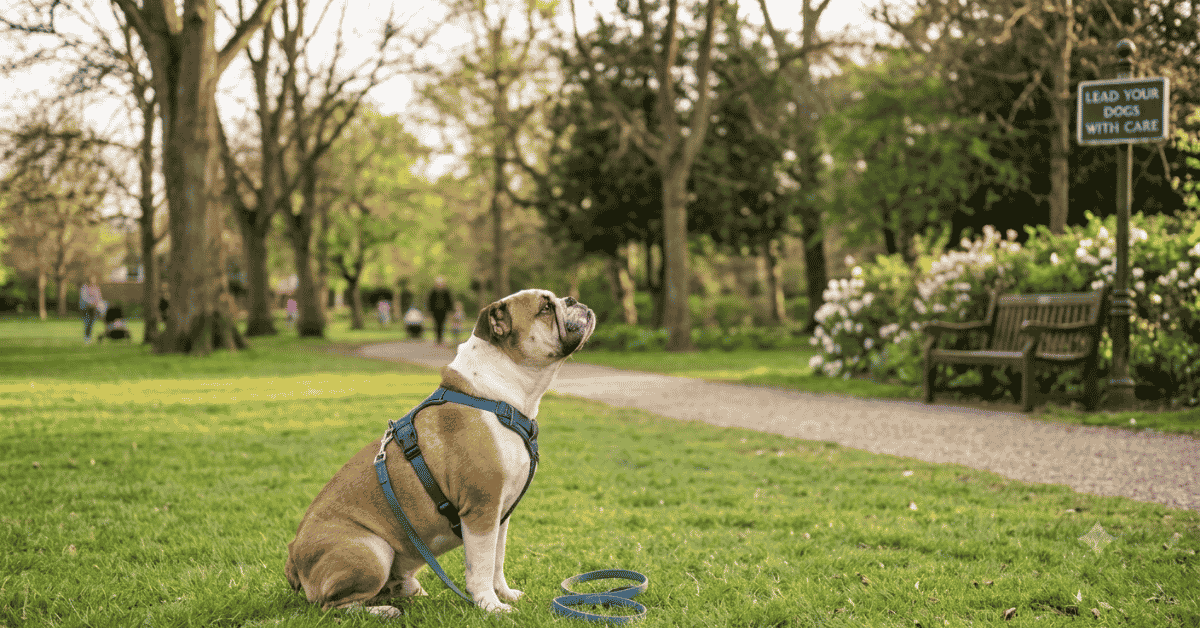
Introduction & Breed Overview
Bulldogs are among the world’s most popular dogs. With the low-slung, muscle-bound, barrel-chested physique, big shoulders, wrinkled skin, a short muzzle, and a prominent underbite. Nevertheless, underneath that tough exterior is a generally gentle, affectionate, and dignified partner. Today, Bulldogs are mostly family pets instead of aggressive guard dogs, and they’re highly appreciated for their calm demeanor and loyalty to their owners.
Once bred for hard labour, the breed has evolved significantly over time. Today’s bulldog is generally easygoing and amiable; happiest when lounging with its family indoors. To strangers, it can appear like an intrepid beast, but a well-socialized Bulldog is typically affable, confident, and reliable.
Before you decide to go for this breed, the question comes: Is Bulldog Suitable For You? While Bulldogs need less exercise than most breeds, they have specialized grooming, climate, and health care needs. An ideal owner is one who realizes: Just because a breed is low energy does not mean that it does not require proper breeding management.
Personality & Family Compatibility
ALSO READ Why do dogs empathize with humans? They are loving dogs that usually bond closely with their family. They are very social with their humans and do best when they are able to remain near their family. Chances are many Bulldogs will follow their owner around the house, lie down next to them, or seek out moments to be rewarded with attention. While they can be serious in appearance, they have sweet and playful personalities that tend to make them great family pets.
Bulldogs have a patient, mellow demeanor and are gentle with children. A good medium-sized water dog, their strong stature and gentle disposition can make them family companions across the board, especially when children are taught how to socialize with dogs. As with any breed, you should always supervise children and dogs when playing together.
Bulldogs can also assimilate easily with other dogs and house pets. But compatibility goes back to the individual dog’s personality, upbringing, and socialization. Bulldogs tend to be territorial, which can make them hardened around strange dogs. After all, they need early introductions and pleasant experiences. Is the Bulldog Right for You?, Consider whether you want a dependent dog with family orientation or independence.
Exercise & Energy Levels
Bulldog – The Bulldog is a low- to moderate-energy dog, which makes it ideal for those looking for a not-so-active pup. The majority of Bulldogs are pleased with short walks daily, mild playtimes, and lots to lounge around or sleep. The breed is susceptible to putting on weight, and extra bulk could make breathing, joint, and mobility issues even worse, so regular movement is also key.
Even though Bulldogs do need to exercise every day, they are not natural endurance athletes. Due to their stocky bodies, short legs, and flat face, they are nearly impossible to train for a long run, demanding hikes, or strenuous agility work. It needs to be slow, restrained, and adapted to your cuddly’s age, weight, and condition.
Bulldogs, which are commonly terrible swimmers. Their dense front ends, short legs, and build of their face make it hard to hold their heads out of the water. Do not leave them unattended near pools, ponds, or other water bodies ever. And if you are wondering Is the Bulldog Right for You? This breed might fit in well with someone who is slightly more relaxed; however, for someone looking for a high-energy outdoor companion, this would not be the best physical match.
Key Considerations & Daily Challenges
Bulldogs have short coats, but they still need regular grooming and hygiene maintenance. Since they have so many wrinkles and folds in their face, moisture, food particles/elements, dirt, and bacteria can easily stick to your Shih Tzu’s fur in these skin folds. It is good for owners to closely examine and delicately clean these areas regularly to help minimize the risk of irritation, odor, or skin infection. Cleanings must be followed by carefully drying the folds, because moisture trapped in them may develop new problems.
The breed has a moderate amount of shedding throughout the year. It can remove loose hair, distribute oils from the skin, and promote a healthy coat with regular brushing. Future owners also need to be willing to accept drool, snoring, loud breathing, and farting. Of course, Bulldogs worldwide exhibit these traits to a greater or lesser extent.
A large concern and another area of understanding is climate sensitivity. Bulldogs are brachycephalic — they have short, flat noses that often make them incapable of cooling themselves effectively. It can turn dangerous rapidly in any hot or humid climate. In hot climates, use air conditioning or ensure constant access to fresh water and very little time spent outdoors, even when supervised. The answer to Is the Bulldog Right for You is heavily informed by those day-to-day jobs.
Training & Socialization
Olde bulldogs are generally smart, but also bad at thinking for themself. Instead, they may completely comprehend a command yet choose whether it is worth it to comply. This headstrong trait that will make training difficult for new or inexperienced owners. Bulldogs can become well-mannered when training is consistent, fun, and based on positive reinforcement.
Food rewards and praise, toys, and relatively short training sessions are mostly better than hard corrections. Some Bulldogs become disinterested with lessons that are repetitive or overly demanding. You should set your sights on basic obedience, polite greeting behavior, loose-leash walking, house training, and calm handling. This is because training can start as soon as the dog comes into a house.
Early socialization is equally important. Socialisation involves introducing a Bulldog puppy to different people, animals, sounds, surfaces, environments, and everyday situations gradually. Early experiences can aid the dog to mature into a balanced and well-natured adult dog. Good socialization might help to decrease fearfulness, possessive behavior, and reactivity as well. You ask Is the Bulldog Right for You? Also, think about your patience levels- are you prepared to work with a dog that learns well but does not yet obey immediately?
Health & Financial Commitment
Health is the No. Brachycephalic airway conditions can impair the breed’s ability to breathe, exercise, sleep and regulate body temperature. Certain Bulldogs are continually put under medical supervision, lifestyle alterations or corrective methods to advance their remarkable well-being.
Bulldogs may also be susceptible to hip dysplasia, joint issues, skin allergies, chronic fold infections and eye problems like cherry eye. Their short and stout bodies may put an extra strain on the joints, especially because they tend to be overweight. Monitoring exercise, nutrition, skin care and making visits to your vet are crucial too.
It can be a significant financial commitment. Above-average expenditures can come in the form of standard veterinary care, prescribed diets, allergy treatment, eye care and breathing assessment as well as emergency care. Pet insurance: Premium pet Insurance can reduce unplanned charges, but paperwork should really be scrutinised for exclusions, waiting times and a ceiling on the cost of treatment.
Responsible owners should also look for ethical breeders who carry out relevant health testing dependent on their breed, breeding with emphasis on requisite functional breathing and well-being. So then, is the bulldog for you? is equally a lifestyle and serious financial question.
Home Environment and Everyday Lifestyle
Bulldogs are apt to be lazy, and while some breds may have moderate exercise needs, most need no extra space other than an indoor environment with comfortable bedding and companionship. They are great adaptable dogs for houses and apartments as long as they get regular toilet breaks, light exercise, mental stimulation, and companionship. A big garden is not a necessity, but having an enclosed outdoor space for short bursts of play can be useful.
They turn exactly the opposite of this breed, who prefers not to be alone for a long time outside. Bulldogs can suffer from the weather extremes and must dwell with their families inside. When the weather is hot, outdoor walks should happen during the coolest parts of the day. Even in mild conditions, owners should watch for excessive panting, weakness, noisy breathing, or a long recovery time from activity.
Bulldogs also enjoy routines. Having predictable feeding times, walks, rest periods, and training sessions can provide security. They make great house pets and are often ideal companions for remote workers, retirees, and families that spend lots of time indoors. Unfortunately, owners will still need to enrich them with toys, training this one for a little bit each day, and social interaction. Read Next: Is the Bulldog Right for You? Consider if your home can offer a cool, safe, comfortable gotta pay attention to them.
Time, Attention, and Long-Term Responsibility
But because Bulldogs aren’t the most energetic breed, they require meaningful daily engagement. They are not ornamental pets that only need food and a comfy bed. Bulldogs are pack animals, and they crave company; left alone for too long, boredom or loneliness could lead to anxiety. The owners need training, gentle exercise, and grooming, wrinkle cleaning, regular checkups from the vet, and quite a lot of petting too.
As they grow older, their physical limitations can also generate extra struggles. If your Bulldog is grown, he might have difficulty climbing up the stairs, jumping in and out of vehicles, walking on slick floors, or maintaining a standard body weight. Home modifications become advantageous by reducing mobility due to joint pain and difficulty breathing. Comfort may be improved by the use of ramps, supportive bedding, prepared mats to help maintain grip, and some dynamics.
People interested in a Bulldog puppy should bear in mind the entire life of the dog. Costly future veterinary bills, daily cleaning, climate control, and health checking can sometimes last for a whole lifetime. Is a Bulldog Right for You? Only that question should be answered after you can guarantee you can maintain patient, steady, and financially sound care for the entire life of the dog.
Conclusion: Is the Bulldog Suitable for You?
So, Is the Bulldog for You? If you are looking for a loving, loyal house dog and low-energy, cuddly companion, then a Bulldog could be the breed for you. The breed is often compatible with families, individuals in apartments, retirees, and owners who have a serene daily routine. Given proper training and socialization, bulldogs are patient with children, peaceful with other pets, and extremely loyal to their families.
However, if you are looking for a running, swimming, or hiking companion for long distances, choose wisely. If you live in a hot climate where central air conditioning is not available, if you dislike drooling or snoring, and if the commitment of daily cleaning/wiping down of wrinkles and/or providing special skin care seems like too much trouble for you, then a Bulldog is probably not the breed for you.
Particularly concerning are the breed’s possible medical requirements. Owners can expect above-average veterinary bills, close attention to weight management, the need for protection from the elements, and a possibility of hip or leg problems. The Bulldog itself has a calm nature which may make it look like an easy breed to own; however, the breed needs specialised and responsible care.
The Final Verdict –
Is the Bulldog Right for You? is a big yes if you’ve got a huge indoor house, time to train, regular grooming needs, affordable veterinary appointments, and enough stimulation. All in all, a Bulldog can give you years of loving loyalty, affection, and devotion – not to mention hours of comic hilarity.
Passionate WordPress blogger sharing clear, helpful guides, simple tips, and practical ideas to help readers learn, grow, and succeed online.