Introduction to the Breed
Ancient Heritage
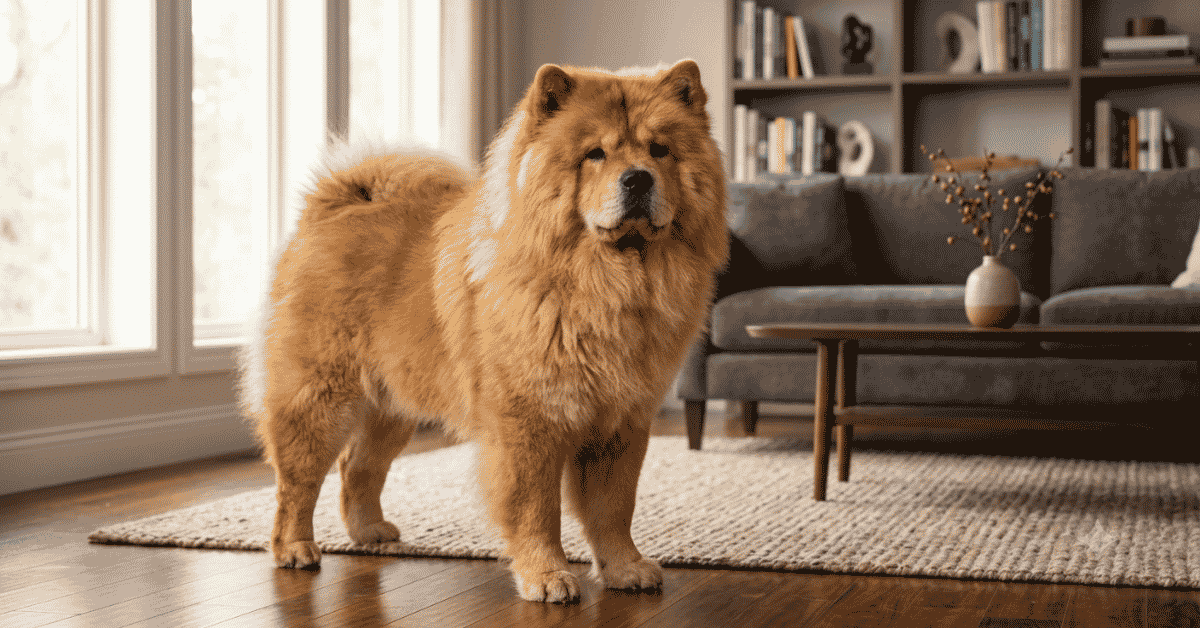
The Chow Chow is one of the oldest northern Chinese breeds, dating back thousands of years. These dogs were initially bred for use as all-purpose worker dogs, as they patrolled the grounds of imperial palaces, hunted in tandem with noblemen, and helped pull carts laden with goods. They have a long-standing history with eastern culture, both as labourers and also as majestic animals in their own right. Generations of purpose-driven breeding to thrive in the even harsher northern environments while performing rigorous security and hunting work for their human counterpart has resulted in a robust, self-sufficient animal whose steadfast heritage stands through the ages.
Distinctive Physical Traits
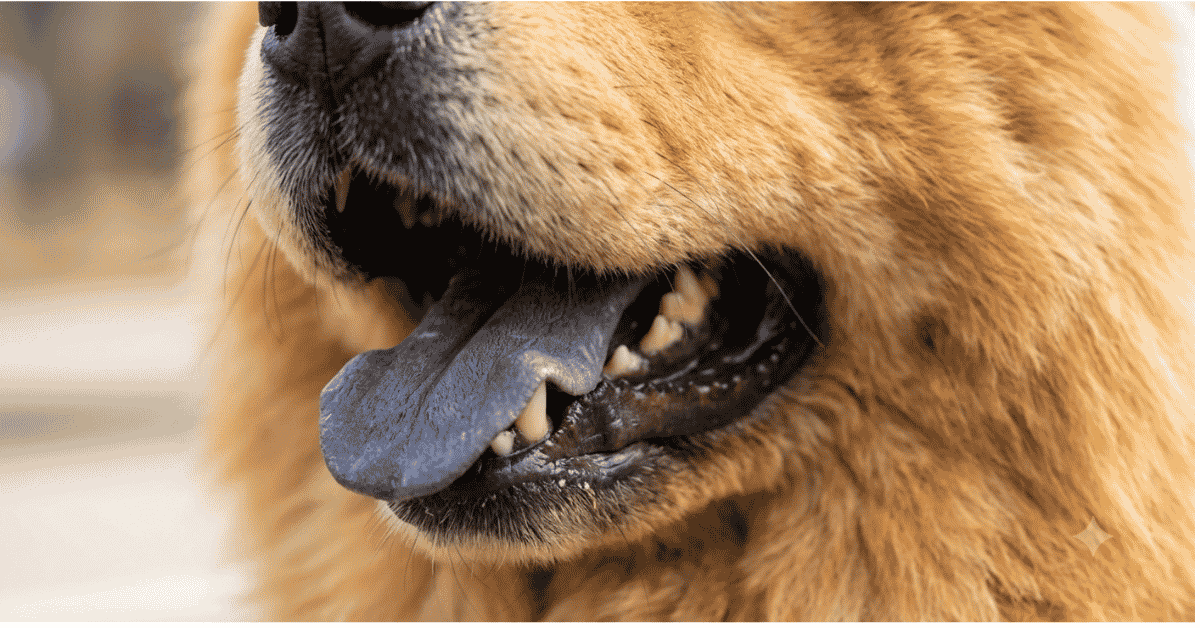
The breed is instantly recognizable, having a number of very distinctive physical traits. First and foremost is the signature blue-black tongue and oral mucosa, a uniquely rare genetic trait seen in only a few other breeds. They also walk slowly and with a straight, stilted gait due to much less angulation in their back joints, giving an almost pompous march. They are crowned with a magnificent lion-like ruff or mane of hair around the head and shoulders that elevates their powerful, regal image, making them instantly recognizable to dog lovers everywhere.
The “Aloof” Reputation
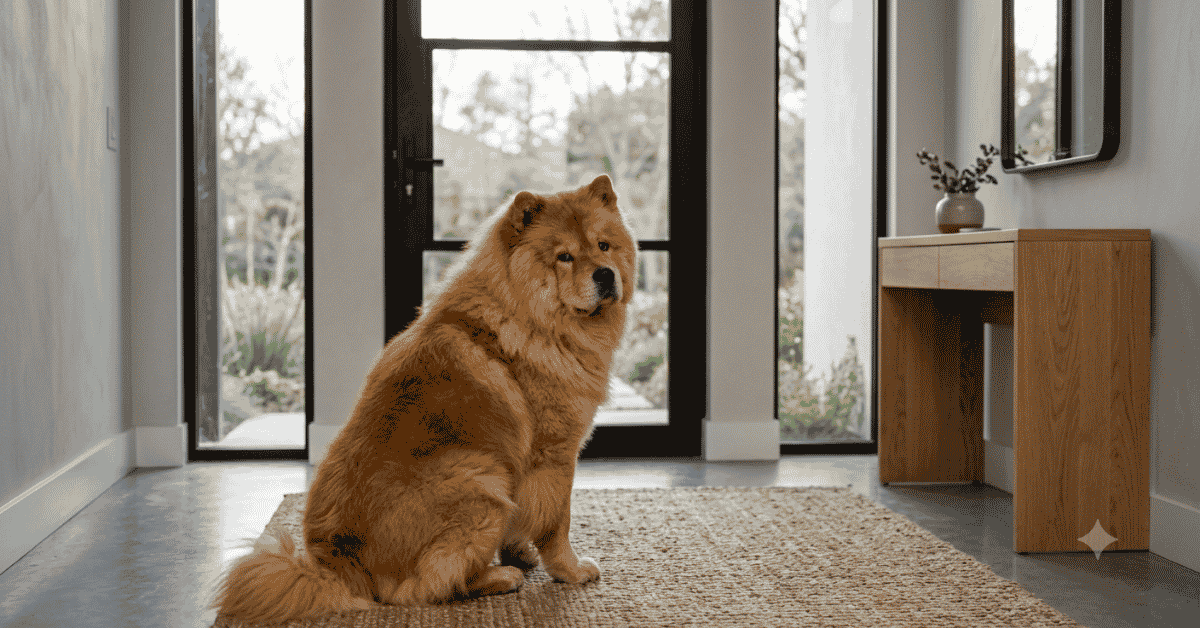
The Chow Chow is well known for its aloof, regal, and somewhat detached temperament, often described as cat-like. Not so with this dog, which is just as perfectly fine about his own presence at home, calmly and quietly being there without constantly needing to be validated by a human like some other breeds require. They rarely do much fawning — instead they will watch you with the calm, clinical distance of a surgeon over an open chest. This is a special disposition that needs an owner who would prefer to have a dog who respects boundaries, appreciates personal space, and offers peaceful, regal company instead of high-energy play.
Best A Temperament & Behavior Profile (The Real Checklist)
Devotion vs. Distance
The Chow Chow is exceedingly loyal and defensive of its immediate family, yet decidedly aloof and leery towards outsiders. In the intimacy of their home environment, they create deep and solid ties and express a reserved allegiance to those whom they trust. But anyone outside of that inner circle is heavily scrutinized. They don’t appreciate unsolicited affection from outsiders and will physically keep their distance, standing as a vigilant, wordless patrol. This stark interplay of unwavering loyalty to family and guardedness towards outsiders gives them uniqueness as guardians, but requires careful monitoring in social situations.
The “Side-Eye” & Body Language
To fathom the Chow Chow entails a grown-up understanding of extremely subtle, flagship body language of an independent dog. They are not a naturally compliant dog and will often give their owner a critical “side-eye” look when evaluating commands or tasks. They so much value their personal space that their boundaries are communicated as having slightly shifted posture, rabbit ears facing, or quietly disappearing to one corner. As a warning for these low-key signals towards owners that insist on forcing their dog to receive physical affection – do take that your dog is capable of resisting, and must learn not to draw as much attention to this behaviour if they wish to continue in mutual trust.
Socialization Requirements
There is no way to overestimate the importance of early, ongoing socialization in raising a Chow. Puppies need to be socialized to all kinds of people, sights, and sounds before adulthood to help keep their innate protective instincts from turning into unwanted aggression or hyper-territoriality. They need to be continually positive throughout their lives as adults. Absent full socialization, this natural distrust of the unfamiliar can solidify into a potentially vicious defensiveness that can make them a challenge to manage outside of your home and leave visitors with wrecked outfits at best and considerable injury or worse at worst.
In order to cross out the dog type that you cannot adopt, it is extremely important to write down your other pets or children and different types of dogs in the house before adopting one.
As such, this breed is usually better for adults or families with older and respectful children who have learned to act around an independent animal. Chow Chow: They are not forgiving of the rambunctiousness, quick movements, and clumsiness of most toddlers. They also have a high prey drive, which means you will need to be very careful around household pets such as cats or rabbits. It is also a very common trait in the breed, known as same-sex dog aggression, so they do best when they are the only pet or paired with an opposite sex dog.
Daily Care & Environmental Needs
Exercise Demands
Chow Chows have low to moderate energy levels, so it’s easy for them to live in an apartment or a house without a big yard. Even getting out for a couple of short, daily walks and a little mentally stimulating play would suffice rather than them demanding high-impact sports or even hours of chasing for retrieval. They do not have great stamina and enjoy a slow stroll punctuated by sniffing and surveying their territory. The dog, mostly just pleased to be hanging out and getting a few lap cuddles, content to get some snuggles each night on the couch with their family rather than set adrift every winter morning as an Iditarod sledder, is intriguing to owners who would prefer a quiet house pet opposed to an active working breed.
Coat type – a key grooming commitment (rough vs smooth coat)
Hopeful owners will be faced with the challenge of choosing between two highly-high-maintenance coat types. The Rough Coat has a low-maintenance, dense coat that must be brushed all the way to the skin at least a couple of times per week (or there will be painful mats and tangles). The Smooth Coat features a short, dense outer coat requiring less frequent brushing but still needing regular grooming to maintain the undercoat. All breeds need regular ear cleaning, nail trimming, and dental care for their hygiene and to prevent common infections.
Shedding
The Chow Chow is a moderate to heavy shedder regardless of coat type, so expect an ongoing battle if you are particular about your home being clean and tidy. They blow their coat at two points in the season, losing the dense undercoat in large piles that need to be brushed out daily along with more cleaning up. They continue to shed a modest amount of hair all year long, outside these intense shedding seasons. Quality grooming tools like undercoat rakes and high-velocity dryers prepare for the onslaught of loose fur that will coat all furniture and floors.
Climate Sensitivity
The Chow Chow has an exceptionally long double coat like a bear as well as a brachycephalic, short-muzzled face structure, which makes it highly susceptible to overheating and heatstroke. They are ill-equipped to cope in the hot and humid weather, let alone the warm summer months without strict internal air conditioning. Outdoor activities need to be limited to the coolest parts of the day, such as early morning or late afternoon. Owners must be vigilant of respiratory distress or heat exhaustion at all times, and be ready to provide cold water and access to shade at any time.
Training & Leadership Dynamics
The Challenge of Independence
Training a Chow Chow is actually quite tricky because they can be smart, but they are still unbelievably headstrong and stubborn. This independent breed is not one that responds well to traditional compliance-based training approaches built around obedience without thought or extracts of drills. They will disregard commands where they perceive no tangible reason to implement them, even through bloody instinct repudiating handlers entirely if they smell weakness. This stubborn streak takes patience, creativity, and an understanding of dog psychology to overcome since you have to get the dog to believe working with you is ultimately in its own interest.
Positive Reinforcement
Effective training techniques for the Chow Chow simply depend on firm, fair, and reward-based positive reinforcement. Positive reinforcement, high-value treats, sincere praise, and low-stress training sessions will achieve much more for you than any other kind of physical correction or severe discipline. Punitive training will either make them shut down or create a lot of resentment or even defensive aggression from these sensitive and proud dogs. Setting consistent, firm boundaries and positively reinforcing good behavior is the sole means of creating a gentle, obedient pet.
Owner Suitability
The breed is so complicated that they are highly recommended for seasoned dog owners who know how to create strict lines without being cruel. Chow Chow: Absolutely, positively not a good fit for a first-time owner; the Chow’s vaguely dominant and very protective nature can easily overwhelm the typical amateur handler. They need a strong, confident, and patient leader who can handle this massive breed of protector. An owner should have the commitment to enforce family rules regularly, allowing the dog to identify humans as a leader while preserving its dignity.
Health & Lifespan Considerations
Average Lifespan
For most Chow Chows, expect a life expectancy of 8 to 12 years for any healthy dog. To reach the top end of this range, good genetics, high-quality nutrition, veterinary care, and weight management all play a key role. Being a large, heavily built breed, it’s important to keep them lean, reducing stress on their organs and musculoskeletal system as they age and helping to make their senior years comfortable, active, and relatively pain-free.
Common Genetic Health Issues: Eyes
Their distinctive face makes Chow Chows at risk for multiple serious inherited eye diseases. Most notably underlined is entropion, which leads to the eyelids rolling inwards, causing the eyelashes to continuously rub against the cornea, and thus requiring corrective surgery. They are also at higher risk for juvenile cataracts, which cloud vision and can lead to increased eye pressure and a type of glaucoma that, in untreated cases, can cause sudden permanent blindness. Thus, regular veterinary ophthalmic exams are essential for early detection.
Common Genetic Health Issues: Joints
The Chow Chow appears to be susceptible to a high frequency of inherited orthopedic skeletal conditions like many large and medium-sized breeds. Hip and elbow dysplasia, conditions in which the joints are not formed properly, resulting in painful arthritis and lameness, are common within the breed. They can also be affected by patellar luxation, where the kneecap slips out of its proper anatomical groove. It is important to use breeders that are certifying their puppies from developing these inherited crippling joint disorders by providing proof of health clearances.
Common Genetic Health Issues: Skin
The thick, close, fluffy undercoat of the Chow Chow provides an ideal environment for severe skin allergies and acute moist dermatitis popularly referred to as hot spots. When moisture from bathing, rain, or swimming gets trapped next to the skin, bacteria can grow very quickly, triggering painful, weeping sores that need hospital treatment. They are also susceptible to flea allergies as well as food allergies that present with extreme itching and hair loss. Their skin health depends on proper, thorough drying any time they become wet.
Common Genetic Health Issues: Other
In addition to joints and eyes, the Chow Chow is also structurally predisposed to bloat, or gastric torsion. A dangerous medical emergency in which the stomach fills with gas and then twists on itself, a torsion cuts off blood supply to essential organs. It needs immediate emergency surgery to save the dog’s life. It is a risk that owners need to mitigate by feeding small amounts on several occasions per day, using slow-feeder bowls and preventing vigorous exercise / heavy drinking of water immediately before and after eating.
The Conclusion (Pros and Cons Summary is Part of the Decision Matrix)
Here’s why they may be good for you.
For the right family, a Chow Chow can have several real advantages because they are extremely quiet indoors and less likely than most breeds to bark unless there is a real threat. They are naturally alert and protective of their territory, and no training is needed for them to serve as excellent watchdogs. Also, they are natural and clean animals characterised as being fastidious or meticulous; therefore, even at a young age they are well known to be an easy property. For those seeking a pet with an independent and dignified spirit that does not demand constant attention, their intense but silent loyalty to one or two main people is very satisfying.
Why they may not be the right person for you?
Is the Chow Chow Right for You? Prior to welcoming this truly distinctive breed into your home, you need to fully comprehend the obstacles that can be involved with Chow ownership. They require expensive care, their constant shedding needs to be managed, and they need a lot of time and dedication. If they are not socialized early on and continuously introduced to most people in a gentle manner than their natural mistrust of strangers can become control utmost protective of their territory. Chow Chows can be an independent and stubborn breed, so training them takes a lot of patience and repetition. The Chow Chow is certainly not the typical outgoing dog bred to be openly affectionate and playful, which could come as a shock to those families that are drawn in by the prosaic, cuddly approach. So, when considering if this breed actually is a match for your lifestyle, understanding these traits is very important.
Passionate WordPress blogger sharing clear, helpful guides, simple tips, and practical ideas to help readers learn, grow, and succeed online.