
Is the Pug Right for You? Advantages, Disadvantages, and Important Health Facts
The Pug is a well-known dog breed and has captured the hearts of many. Looking at their expressive wrinkled faces, short stubby bodies, and curly tails, it is easy to see why they have clawed their way into so many hearts. Though a world away in many ways, there are still special needs, health considerations, and quirky behavior that come with such a great acquisition.
A guide based on real experiences that covers the essential pros, cons, and care reality of each so you can determine whether or not a Pug would work in your home if you’re thinking about adding one of these ancient companion dogs to your family.
The Advantages: Why Pugs are Wonderful Companions
Pugs were bred a long time ago to do one thing, and they did just that: be devoted companions. This is precisely the job that they do so well, or at least between the two of them — but given a certain household (more on that below) — there are several unique advantages to having them in residence.
- Great Temperament: Pugs have a reputation for being super cuddly, sweet, and fun-loving. They can only be compared to a “velcro dog” who just wants to be in whatever room you are.
- Apartment Living: Pugs are small and have low to moderate indoor exercise needs; therefore, they adapt really well to smaller spaces like apartments or cities.
- Superb family-friendly: Each and every pug is particularly tolerant, if bred properly from the puppy phase by expert owners who performed socialization workouts as a normal habit and chose to receive an old pet that’s well sociable.
The Disadvantages of Pug Ownership
Despite having super winning personalities, Pugs do have very specific behavioral and grooming issues that can surprise unwary owners.
- Sensitive to Separation Anxiety: Because they love human companionship, Pugs do not want to be away from their people for long periods of time. Your Pug may suffer from anxiety and create havoc if you lead an out-of-home working lifestyle for long hours.
- Strong-Willed Nature in Training: Pugs are smart dogs but can have a streak of independence or stubbornness. Housebreaking takes as long, if not longer, and requires more consistency than many of the other breeds.
- Never-Ending Shedding: Don’t stop rolling your eyes at his short coat. Pugs carry a double coat which is thick and persistent throughout the year. Every day, you will discover short hairs on your clothes, furniture, and floors.
- The “Pug Noises”: Because of their anatomy, pugs snore loudly, screech, and wheeze as they breathe. If a calm sleeping area is perfect for you, a pug in the room may not be too easy.
Critical Health and Care Realities
Understanding their medical weaknesses is the most critical factor that determines whether a Pug is right for you. Pugs are a brachycephalic (flat-faced) breed, which has an effect on their general care needs.
Heat and Exercise Intolerance
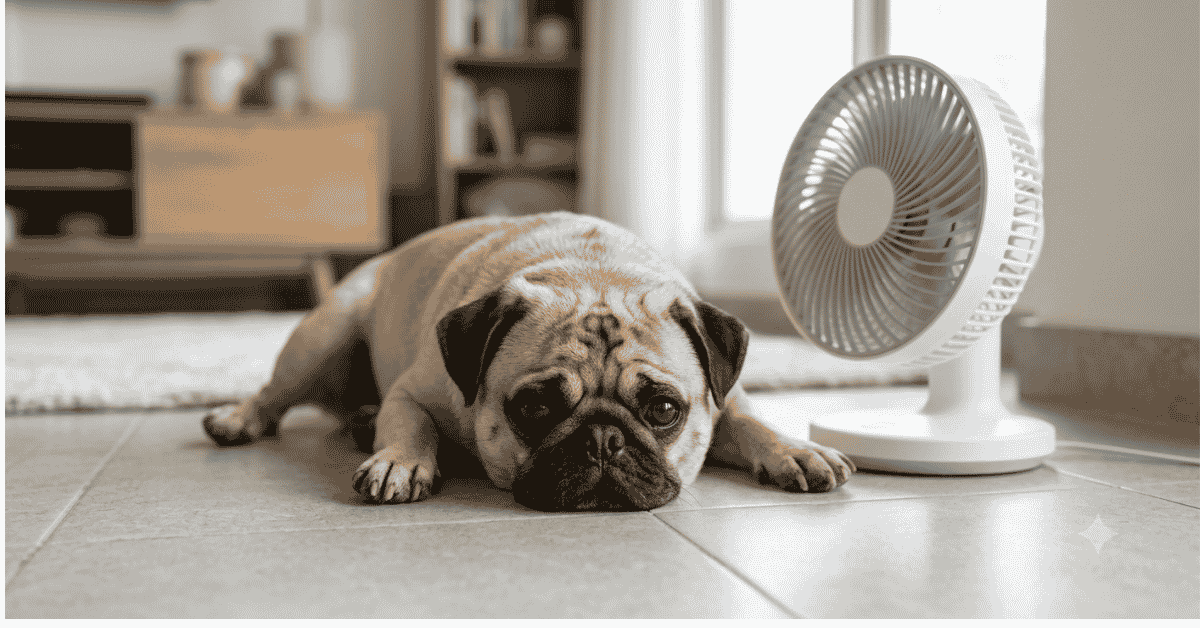
Pugs do not have as effective means to help them cool down by panting the way that longer-snouted breeds do. They are also very prone to heatstroke. They will require a climate-controlled, air-conditioned home when the weather is warm, and exercise should be limited to brief walks within the cooler times of day.
Wrinkle and Eye Care
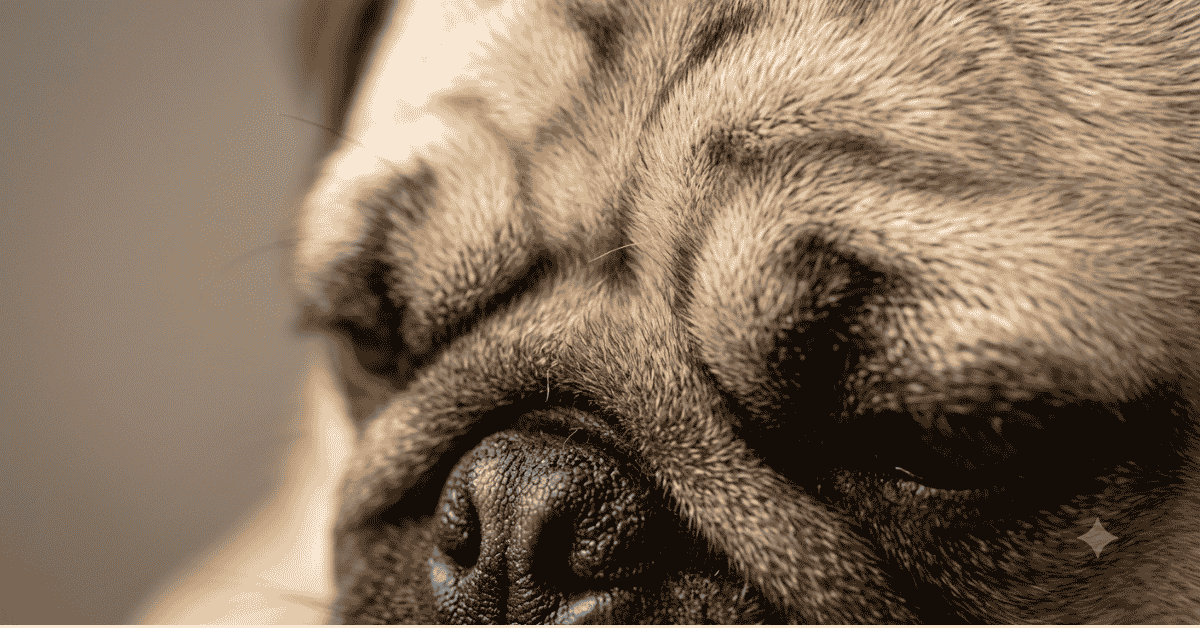
If you’re thinking to yourself: is the Pug for you? Please, if you are considering this breed, consider evaluating its massive grooming requirements. Pugs have signature facial wrinkles that hold onto moisture, dirt, and bacteria that can cause pain and infection, but owners must be prepared to dedicate a little time each day for cleaning their eyes with a damp washcloth or pet-safe wipe. Also, they are prone to tear evaporation, corneal ulcers, and accidental scratches due to their bulging, big eyeballs; this means these dogs need attentive care every day, so it is an important point when you decide this breed suits your lifestyle.
Weight Management
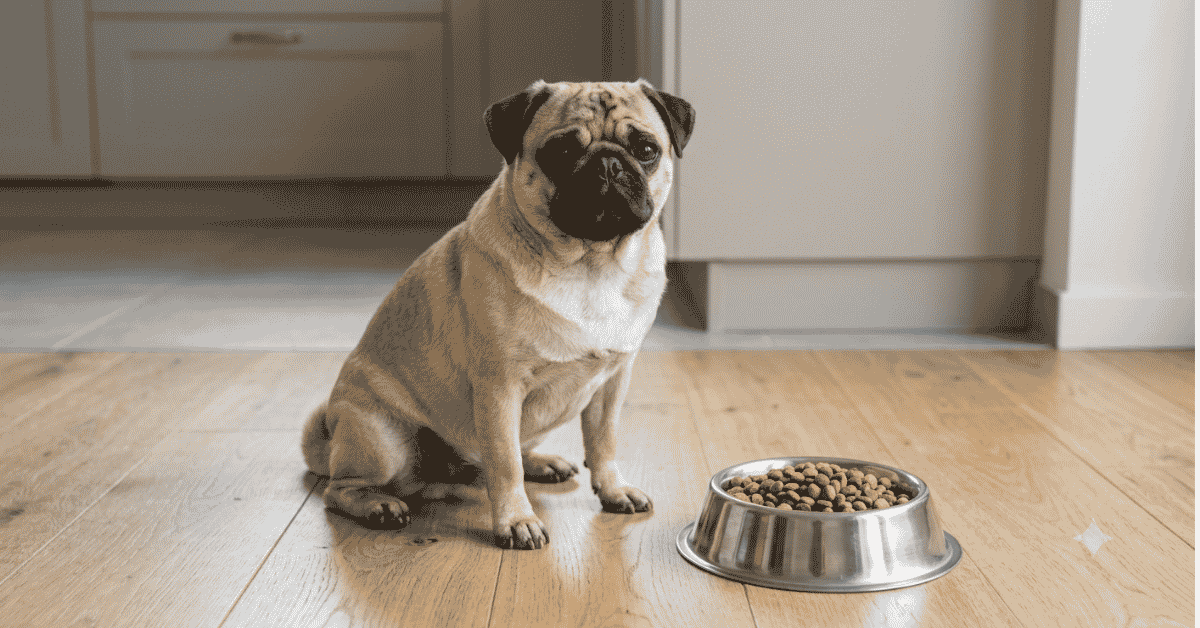
Notorious for always being hungry, pugs are able to eat just about anything and everything in their path. Due to the enormous stress additional weight puts on their obviously weak airways and joints, portion amounts and distributions of treats must be strictly controlled.
The Bottom Line: Should you get a Pug?
A Pug is a perfect match if:
- You are ready for a loyal, indoor dog who will follow you around the house all day.
- Your home is a climate-controlled space with air conditioning.
- You are trained for regular grooming, wrinkle care, and shedding.
- You have planned for a significantly costs during the life of your dog.
A Pug is NOT a good match if:
- You need a running/hiking/high-intensity agility partner for the outdoors.
- On an almost daily basis, the house is empty for 8+ hours a day.
- You might note that you can not deal with significant shedding or heavy snoring.
- You want a well-bred breed that does not suffer from the menopausal changes.

Passionate WordPress blogger sharing clear, helpful guides, simple tips, and practical ideas to help readers learn, grow, and succeed online.