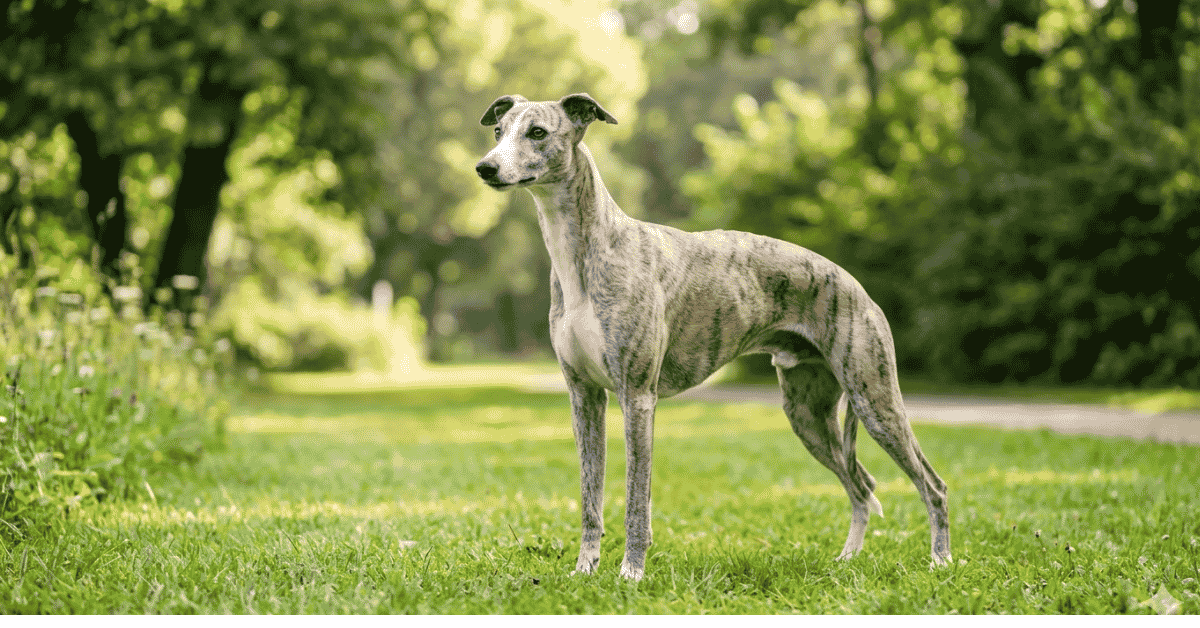
The whimsical and dainty whippet is a gentle, quietly composed breed that charms with an elegant appearance matched by an adaptable demeanor that tends to make it perfect for life indoors. But beneath that calm exterior is a brisk, energetic runner with excellent instincts. Understanding the breed subtypes and characteristics is what this guide will teach you so that you can figure out if it really suits your lifestyle, home environment, and expectations as a dog owner.
Introduction to the Whippet
What Is a Whippet?
The Whippet is a medium-sized sighthound that has an elongated body, deep chest, and long legs suited for speed. It shares the family of the Greyhound, originally bred for racing and hunting. A better label for the Whippet might be “couch companion” despite its athletic prowess — he loves comfort and wants to rest. It is calm, likes to cuddle, and becomes strongly attached to its owner. While still possessing bursts of energy like certain high-energy breeds, Whippets balance playtime with downtime and can be a good match for any household capable of providing exercise and relaxation.
Quick Overview of the Breed
Whippets are long-legged, graceful, and fast, but also calm dogs. They ussually has height between 18 and 22 inches and a weight of around 25 to 40 pounds. They are available in many colors and have a short coat that is simple to care for. Whippets, true to their gentle and sensitive nature, are not aggressive and prefer to keep things peaceful. They are great runners, but also like to relax inside. Their quiet demeanor and manageable size make them popular with families and individuals looking for a low-maintenance but affectionate pet.
Why Choose a Whippet?
Bringing a Whippet home equals an active canine with couch potato genes, depending on the circumstances. They make wonderful short-blowing infrequent adults couch potatoes for people who prefer brief streams outside, while some need a relaxed assist inside. Whippets are also clean, odorless dogs requiring very little in the way of grooming. Also, they are courteous and restrained from excess noise. They are loving and loyal companions. But they need exercise, attention, companionship, and secure spaces to run. The gentle, affectionate, and low-maintenance whippet can be a perfect option if you are seeking a well-balanced dog.
Whippet history and origin
Early Origins in England
The Whippet breed was developed in the 17th and 18th centuries in England. By people from the working class looking for a smaller alternative to the Greyhound. They proved especially popular in Northern England, where they raced and hunted small game. They were quick sprinters over short distances, which made them perfect rabbit catchers. The breed was quickly favored for its speed and efficiency. Slowly, Whippets were not only recognized for their working ability but also their gentle, friendly manner.
What Were Whippets Bred For?
They were used as hunting dogs for many small animals, including rabbits, and breeding races (as catch dogs) ended the use of Whippets in those events. They were fast, agile, and had good eyesight for hunting. They were also used in a sport called snap dog racing, where they chased moving targets, on top of hunting. They gained a reputation among working-class families because they were smaller and ate less food than larger breeds like the Greyhound. Workers first, hunters second, they were expected to be athletic yet affable as well, and this is perhaps what helped create their dual purpose and fairly balanced temperament.
Development of the Breed
Developed over time, breeders improved the speed, temperament, and appearance of the Whippet. Through selective breeding, the dog maintained its athletic prowess while also becoming a better fit in the household. Kennel clubs started recognizing the breed in the UK, and it slowly gained popularity outside of England. Once they reached foreign shores, however, the Whippet became less a hunting dog and more of a companion. Today, they are praised for being calm, easy-going, and graceful. Their evolution as both working dogs and companions sets them apart from other breeds.
Whippets Today
Whippets are now popular family pets, show dogs, and racers. They are laid back and easy-going, making them a good fit for many types of homes. All of them compete in racing or lure coursing events even now, but most Whippets live as pets. These dogs live in apartments if they get their exercise. The fact that they are also relatively calm and affectionate boosts their appeal. Modern Whippets combine being a performance athlete with being a couch potato, which is what people love the breed for.
Whippet Quick Facts
Key Characteristics
Whippets are dogs of medium size, with a slim, athletic build. They have short, smooth coats that do not need too much grooming. They can live for a much long dog of their size, anywhere from approx 12 to 15 years. They sport in an abundance of colors and designs. They range from 1,500 – 2,000 yards and are great runners that can reach top speeds for short distances. On the other hand, though, they are intense, but indoors, they take it easy. They are good companions with lower grooming and also medium to small in size.
Male vs Female Stats
Many male Whippets measure an inch or so more than female Whippets. Males usually measure between 19 and 22 inches tall, weighing anywhere from 30 to 40 pounds. Females are typically a little smaller, 18 to 21 inches at the shoulder, and weigh approximately 25 to 35 pounds. Apart from their differences in size, both genders will share the same temperament. There are opinions that females may be a bit more distant, or maybe boys tend to hug a little more, but this is mostly not observable and should be dependent on the personality of each horse.
Other Details
Litters of Whippets average 4 to 8 puppies. They are the embodiment of elegance with a large, deep chest, narrow waist, and long legs. They are a healthy breed overall, although they may be susceptible to heart conditions and anesthesia sensitivity. They have thin skin and can be more susceptible to cuts or injuries, but considering all of this, they are listed as a fairly healthy breed. Proper exercise, regular veterinarian care, and a balanced diet can keep them healthy.
Physical Traits and Appearance
Body Structure and Build
The low-built body of the Whippet is elegant and aerodynamically formed. The dog has a broad, deep chest that allows for good lung capacity and a narrow waist that provides agility. Those lengthy legs allow for explosive strides, getting them up to high speeds in no time. It remains an overall powerful yet very graceful structure. Its streamlined build makes the Whippet one of the fastest dogs for its size. So although it looks muscular and aggressive, a person isn’t essentially bulky or heavy — it’s lightness helps give it a special look.
Coat and Skin Type
Whippets are characterized by a short, smooth coat and close-lying hair. This kind of coat is low-maintenance and does not need to be groomed often. Their skin, of course, is delicate and tends to be more easily cut or injured. They are more sensitive to the cold than many forms, so any chilly temperatures may require some added heat for them unable to resist. They have a variety of colors and patterns in their coat. So, in general, the coat is low maintenance, but it needs some protection.
How Whippets Compare to Greyhounds
Because Whippets and Greyhounds resemble each other a bit, they are often considered to be somewhat comparable. On the other hand, Whippets are more of the smaller side and ideal for your regular home. While both breeds are fast and gentle, Whippets have the advantage of being a smaller breed that could adapt to a small house. They also need a little less exercise than Greyhounds. They both have an indoor, calm disposition and like to lounge. The Key Difference is Size and their energy, making Whippets fit into many homes.
Unique Features (“Pointy Snoot”)
The Whippet has a long, narrow snout — people even refer to it as “pointy snoot” features. This is more than eye candy and can be helpful to aerodynamics while running. Since they have very large eyes, their eyesight is optimal for detecting motion. They also have small folded ears that contribute to their unique appearance. The combination of these features and their dainty body shape gives the Whippet a unique angle like looking at it from all sides.
Whippet Temperament and Personality
General Temperament
The soft nature, playfulness, and cuddly character of the whippet make a positive impression. These pets are not aggressive and enjoy the tranquility of a peaceful life. They create strong connections with their families and spend time with them. They are suited for homes in quiet settings. They can be playful, but they are not too clingy. The trait that makes these dogs suitable for owners of all life stages is their temperament, which does not display extreme characteristics.
Energy Levels
You are getting Whippet’s energy. They love short, intense bouts of activity with long periods of rest in between. That is, they do not require exercise all day long. Typically, a walk and some playtime are all that they need to be content. They can go from on to off in an instant, which makes them manageable. Still, they need somewhere safe to run, as it is their instinct.
Sensitivity and Behavior
Whippets are gentle dogs and behave best when treated gently. They respond poorly to abusive training methods and noisy surroundings. It means they are very sensitive to their owners and can create strong attachments. This makes them more prone to suffering from anxiety if they have to spend long periods alone. So being aware of their emotional needs for health is important. They flourish in an environment that is secure and loving.
Are Whippets Calm or Active?
Whippets are relaxed or energetic depending on the environment. They are typically very laid back indoors, seeking only to lie around in their favorite spots. They get energetic and love to run in the outdoors. This balance gives them their unique role in dog breeds. They are not active all the time, making them manageable compared to working breeds. But they do require regular exercise to keep a healthy body and mind. One of their best traits is that they adjust their energy level to fit into the environment.
Are Whippets Good for Families?
Living with Children
They can be rather gentle and loving, especially when raised with kids. Outdoors, they are not overly rough or boisterous, so they can be kept with children more safely than some breeds. However, very young children should be trained for gentle handling due to their slender body styles and sensitive nature. A Whippet can be easily injured from rough play. They prefer calm interaction, such as cuddling and/or gentle play. Supervising the dog and child is a must to ensure both are comfortable. Whippets can be devoted family pals in the proper household and may even create powerful attachments to youngsters.
Compatibility with Families
Whippets slot in a lot of experts into different family types, including small families and even quiet households. They do best in homes where someone is around most of the time, due to their love for companionship. They aren’t really needy either here, which makes them easier to handle than some more difficult high-maintenance breeds. But they fare badly in busy or very loud homes. Whippets are adaptable and give families that offer a steady, low-stress routine. They have a loving nature and enjoy the company of every member in the family, making them great companions in the right environment.
Ideal Home Environment
The best home for a Whippet will be relaxed, secure, and roomy. They enjoy soft bedding, warm locations, and some quiet light. They may even enjoy living in flats, but their need for an outdoor space where they can exercise securely cannot be neglected. An enclosed yard is best, because they are quick runners with a prey drive and may just take off. Because they are intolerant of the cold, we must keep them inside. The ideal environment that allows a Whippet to be physically and emotionally healthy is a home that provides relaxation while being able to engage in controlled outdoor activity.
How are They For New Owners?
Whippets can be great dogs for beginners, but only if the owner knows what they need. They are also fairly easy to maintain with basic grooming and have a good temperament, making everyday care less of a challenge. But in some cases, they are learning about their sensitivity and prey drive. First timers must be prepared to reinforce positive behaviours and have regular routines. A Whippet can be rewarding as a first dog, but if somebody is prepared to learn and invest time in understanding the breed. They are not exceptionally difficult but do demand concerned and focused attention.
Social Behavior of Whippets
Interaction with Humans
Extremely affectionate, whippets love to cuddle up to humans. They will also follow their favorite person around the house, and love to snuggle with them. They will not do well as an independent dog and prefer company. They are easy to live with because of their gentle, calm nature and do not exhibit fighting behavior. They are quite affectionate and respond positively to kindness and attention. This is why they prefer homes where you can engage with them regularly and not leave them unattended for long stretches.
Behavior Around Strangers
Whippets are typically civil but standoffish with strangers. Unlike a guard dog, they are not aggressive or protective, and they take some time before warming up to strangers. They can be friendly and chill once they know it is safe to do so. As naturally quiet dogs, they hardly bark at strangers. Socialization early on creates confidence as well as comfort in various situations. Should they not be a cower or overly shy, with the right exposure to visitors over time, you can achieve them not worrying about strangers being present in their house.
WHIPPET DOGS ARE GOOD WITH OTHER DOGS
Whippets are generally good with other dogs, especially other dogs of similar sizes and temperaments. They are social and can actually do better with another dog in the house. Playing with other dogs can satiate their exercise requirements and hopefully stop boredom. But introductions have to be slow and steady. Because of their gentle nature, they tend to shy away from conflict. Although Whippets are fine being alone, they do really enjoy social interaction, especially in multi-dog households.
What You Should Know About Whippets and Cats or Small Animals
They have strong prey drives, which means they will chase down and try to kill small, fast-moving animals. It acts this way due to its history as a hunting dog. So they may not be safe to have around cats, rabbits, or other small pets. They may appear calm, but their instinct can trigger at any time. Caution is always called for, but some Whippets can be bred with cats if they have grown up together. This natural behavior is important for owners to understand so that they can keep small animals secure.
Training and Intelligence
Are Whippets Easy to Train?
Whippets are smart, but independent. They learn commands in but a day, at least if you can keep them focused long enough to attract their attention. Because they are so sensitive, they thrive the most on positive reinforcement such as praise and rewards. They fear for them or can become quite stubborn. They are trainable with patience and consistency. The sessions should be brief and fun in order to capture their focus.
Basic Training Needs
Basic training information for Whippets will include commands such as sit, stay, come, and walking on a lead. It is also particularly crucial, due to their propensity to chase! It teaches them to respond consistently and in a way that can help avoid dangerous situations. Most dogs learn house training quickly, with some regularity. Training them at an early age creates good habits and that, in turn, makes them pleasant dogs to live with. This process is made easy with the use of rewards and encouragement.
Advanced Training Tips
In addition, Whippets can participate in dog sports such as agility, lure coursing, or obedience exercises. The more you keep them engaged, the more their body will find an exercise. As well, you train on data until the end of October 2023, so this way, no one will get bored during training sessions. They are quick to learn, so you can keep them engaged with new challenges. When it comes to teaching some more complicated behaviours, the biggest piece of advice is consistency and patience. Intermediate training also helps in building a stronger connection between the dog and the owner.
Socialization Importance
Socialization is the key to well-adjusted and confident adults. Introduce them to various people, places, and things at a young age so they fear less. Mutual well-roundedness — well-adapted Whippets who appease everyone. This must be a gradual, evolutionary, and positive process. When they are socialized correctly, they will develop into mature adults with a good temperament.
Common Training Challenges
The main downside with Whippets comes from their prey drive, making recall difficult. They might not listen to commands when in hot pursuit of something. They are also sensitive and so can be wary of very harsh training. These challenges can only be overcome by consistency and patience. Learning how to adjust your approach to training based on their personalities.
Exercise and Activity Needs
Daily Exercise Requirements
Exercise: Daily exercise is essential for maintaining a healthy and happy Whippet. The key is to mix in and out of walking with short bursts of running. They do have to expend some energy, but they don’t need to be busy all the time. Exercise and Nutrition — About 30 to 60 minutes of exercise most days is usually all you need. Activity avoids boredom and behavioural problems.
Running Speed and Ability
Because Whippets can run up to 35 miles an hour! They sprint allowing them to be one of the fastest breeds for their size. Their muscles and their aerodynamic body structure allow them to reach that speed. If it includes running AND chasing, these guys are all over the place.
Indoor vs Outdoor Needs
Whippets, however — when indoors, anyway — are all laid back and chill as they love to spend the majority of the day napping. They love to run and be outside. A secure place to run safely, she says, because when they see something to chase, it can all be over in a flash. When it comes to balancing indoor comfort and outdoor activity
Safe Play and Activities
Lighting it up safely for Whippets includes running in safely fenced areas, playing fetch, and lure coursing. To avoid injury, activities should be limited. Rough play should be avoided due to their thin skin. It means you are protecting your little ones from unsafe behaviours, and if they have a safe outlet for their energy, happy and healthy children!
Grooming and Maintenance
Coat Care Routine
Whippets have a short coat that is smooth and very easy to take care of compared to many other breeds. Brush it once or twice a week to remove loose hair and keep the coat nice and shiny. The coat is short, fine, and rare, which does not hold a lot of dirt or dust, meaning you do not have to clean it frequently. But brushing them gently also leads to better blood circulation and good skin health. Because their skin is sensitive, owners need to use a soft brush on them. On the whole, their coat care is relatively straightforward, allowing for a low-maintenance dog for busy owners.
Shedding Level
Whippets are categorized as low to moderate shedders. They do lose some hair year-round, but not more than the long-haired types. It helps that their short hair makes shedding less noticeable as well, which is a plus for the home front. Brushing on a regular basis decreases shedding and minimizes loose hair around the home. They won’t entirely shed, but their grooming needs are relatively low. So they are a practical choice for those who would like their living space to be cleaner and free of shedding.
Are Whippets Hypoallergenic?
While whippets shed less than many other dogs, they are by no means hypoallergenic. They also shed skin, which can cause allergies in even prone individuals. On the contrary, certain individuals with mild allergies may tolerate them better than heavier-shedding breeds. With the carpet cleaned, washing bedding, and brushing the dog are constant efforts to cut down on allergens. Whippets generally do not exacerbate allergies, but anyone with allergies should spend time around a Whippet before adopting and consult their doctor if an allergy is possible.
Bathing and Cleaning Tips
This is particularly advantageous in the case of whippets, as their coat stays quite clean and therefore you do not need to bathe your dog frequently. Usually, bathing them once every couple of weeks or when getting dirty would do. You should use easy canine shampoo, as bathing them an excessive amount of could make their pores and skin dry. Besides bathing, they must check and clean their ears frequently, trim their nails, and maintain dental health. They require proper drying after baths because of having a thinner coat that makes them more susceptible to getting cold.
Overall Grooming Needs
Whippets are one of the easiest breeds for grooming! According to the description, they have a short coat that hardly sheds and has low body odor. They are easy to care for, requiring regular brushing, a bath now and again, and some basic hygiene matters. In most cases, their grooming routine does not need professional assistance, which saves money as they doní»t have to go to the groomers as often in the long run. It is one of the reasons why Whippets are chosen as a pet by many people, as they are low-maintenance.
Health and Lifespan
Average Life Expectancy
Whippets are generally healthy dogs, and a life expectancy of 12 to 15 years is typical. If taken care of, some may even live longer. They have a longer-than-average life span, which means they make good lifelong companions. A balanced diet, daily play & exercise, and regular visits to the veterinarian will help keep them healthy. A lean body type and active lifestyle are both part of the well-behaved tablet, creating rapture. Fortunately, owners who invest in proper care can look forward to keeping their Whippet happy and healthy.
Common Health Issues
Whippets are generally healthy dogs, but they can be susceptible to several health conditions. This can manifest as heart problems, eye problems, and sensitivity to anaesthesia. We have thin skin and, therefore, are more susceptible to abrasions, cuts, and other injuries. Some others may experience joint problems with age. Frequent check-ups with your veterinarian will help to identify the issues at an early stage. If an owner is aware of the potential issues, he or she can take steps to prevent them and ensure that their dog leads a fuller, healthier life.
Preventive Care Tips
Preventive care is necessary to keep the Whippet healthy. Vaccination, parasite control, and regular check-ups are key. Thus, delivering a healthy and well-rounded diet along with keeping an eye on the weight cuts down chances of such health problems. Moderation is key when it comes to exercise. Whippets should also be protected from extreme weather (especially cold) by the owner. Preventive care prevents more serious issues and adds more time to life.
Diet and Nutrition Needs
Whippets need a well-balanced diet that meets their energy needs and supports lean muscle mass, such as high-quality dog food appropriately formulated to include healthy but appropriate levels of protein, fats, and other nutrients. It is likewise required for preventing weight gain. Their access to fresh water should always be guaranteed. Whippets sometimes have sensitive stomachs, so changes in diet should be made gradually. Nutrition is crucial for their health, vitality, and more.
Living With a Whippet
Indoor Living Requirements
Whippets Are Ideal Indoor Pets. Dogs with short hair and a thin body become very sensitive to the cold, chilly weather, or severe winter. They love warm, comfy spots and tend to prefer soft beds. They are calmer and relaxed indoors, making them great house dogs. You are also able to help them feel correct at home, as a result of you may give them a safe and warm environment. Do not keep them outdoors for a long time, as they require close contact with their owner.
Can Whippets Be Left Alone?
Whippets do not like being on their own for long. They also develop close connections with their owners and may suffer from separation anxiety if left alone for long periods of time. Alone time is usually okay in small doses, but prolonged loneliness is stress-inducing and can also cause unwanted behaviors. The most important thing is to offer them toys, a warm area, and maybe another pet companion? Whippets should never be left alone for long periods comes with a set of separate emotional needs due to their attachment nature, which means owners must make sure you see enough time doing so
Space and Environment Needs
Whippets can live in all sizes of homes, including apartments, as long as they get ample exercise. They do not need a large house, but they do require a safely fenced space where they can run. A yard with a fence is best, so they don’t go chasing small animals. They need to be in a soothing, safe space. Ensuring physical and emotional well-being by managing space properly.
Managing Anxiety and Behavior
As sensitive creatures, Whippets can be prone to anxiety if not properly managed. With routine and gentle training and positive reinforcement, we can manage behaviour. Things like staying with them and not causing stress. Professional training or guidance may be appropriate if, however, it becomes routine in the heavy anxiety. Knowing what they need from an emotional lens creates a balanced and pleasant place to be.
Whippet Puppies vs Adult Whippets
The Puppy Stage
Whippet Puppies are full of energy, curiosity, and play. Maizeedase of attention, training, and supervision. Early training and socialization during this time are important for establishing good behavior. However, puppies require more work but provide the opportunity to train their personality from a young age.
Training Young Whippets
Whippets, being teenage heartthrobs, need consistency and patience during training as they can sometimes be moody. Positive reinforcement works best. The earliest lessons should be on basic commands and socialization. They are structured in a way that little short fun sessions draw them in, keep their interest, and help build healthy habits.
Considering an Older Whippet
Adult Whippets tend to be more placid and house-trained. Less to worry about! For example, if you prefer a more matured more settled pet, adopting an older dog might be the best choice. They still need love and care, but may adapt more quickly.
Adding a Second Whippet
Whippets can often be a little happier if they have the company of another dog, especially, as in this case, if it’s another whippet. Ultimately, a second canine can assist with the melancholy and fill in as an organization. But owners need to be prepared for extra responsibility and expense.
Cost of Owning a Whippet
Purchase or Adoption Costs
Breeder prices for a Whippet are variable, whereas average adoption costs by a shelter can be relatively cheap. Vaccinations, microchipping, and basic supplies can be initial expenses.
Monthly Expenses
Food, grooming supplies, and routine care are also recurring monthly expenses. For the most part, those costs are actually fairly moderate compared to larger breeds.
Grooming and Healthcare Costs
They have a low-maintenance coat, so only minimal grooming costs are involved. Healthcare costs are a small fee for routine check-ups and a larger fee per treatment.
Long-Term Ownership Costs
These are long-term costs that will be incurred in the form of food, medical care, and general upkeep. Planning ahead ensures responsible ownership.
The Ups and Downs of Whippet Ownership
Benefits
Since whippets are gentle, easy to groom, healthy, and a manageable size. They are sweet-natured and make great indoor pets.
Drawbacks
They were bred to hunt and have a strong prey drive, are sensitive, and need companionship. If you leave him alone too often, they might not fare that well.
Fun Facts About Whippets
How Fast Can Whippets Run?
The fastest on the list, by contrast, are one of the quickest breeds out there — Whippets, topping out at 35 miles an hour.
Unique Breed Traits
They are very calm inside, and then suddenly they burst out with speed.
What Do Whippets Do Today?
He is now mainly held as a pet, but also raced and used in sports.
Is a Whippet the Right Dog for You?
Ideal Owner Profile
Suitable owners are patient, calm, and provide companionship along with daily exercise.
Lifestyle Compatibility
They suit well with an easy-going household where there is ample time for family bonding and safe outdoor play.
Before you get one, here are some questions you may want to ask:
Think about your time, space, and if you can provide their emotional & physical needs.
Frequently Asked Questions (FAQs)
Do Whippets Bark a Lot?
Whippets are typically quiet and do not bark excessively, which makes them a good choice for tranquil households.
Do Whippets Like Water?
A few Whippets like water, but more often than not, they will want to stay dry with their thin coat.
Are Whippets Good Pets?
You are right, they are loving, easy to train, and gentle pets.
Are Whippets Good Family Dogs?
In quiet and loving home environments, they can make great family pets.
Related Breeds and Comparisons
Whippet vs Greyhound
Whippets are small, adaptable dogs, and Greyhound dogs who need more have a larger size.
Whippet vs Italian Greyhound
Italian Greyhounds are smaller and more fragile than Whippets.
Other Sighthound Breeds
The other breeds have the same qualities as sighthounds, such as speed and a strong chase drive.
Tips for First-Time Dog Owners
Preparing Your Home
When training using proper bedding and other supplies, make sure that whenever you get your pet into the new dog crate, it will really be a comfortable, cozy home.
Basic Care Tips
Give them proper food, exercise, and general care.
Training Essentials
Gentle + consistency = BEST DESIRE!
Conclusion
Final Thoughts on Whippet Ownership
Asking the question of Is the Whippet Right for you? The answer to this is subjective based on you, the lifestyle you pursue, your expectations, and the kind of companion you want. Whippets are sweet, affectionate, and loving companions who do best in quiet homes where they have time with their families. They have a nice appearance, are quiet, and require little brushing.
However, there are certain responsibilities that come with being a Whippet owner too. These dogs are gentle, sociable, and have a strong prey drive. They require exercise, a safe place to play outdoors, and positive training in order to become wonderful companions. Although they are not as physically demanding as some high-energy breeds, they still demand attention, care, and empathy.
So, Is the Whippet Right for You? A graceful and devoted breed, if you can offer plenty of exercise and a loving home, it could potentially be living happily in your family for many years to come.
Should You Get a Whippet?
If you want a sweet, calm, loyal friend who can enjoy some activity and is also quite happy to relax, you should think about the Whippet! They are most appropriate for owners who can risk their time, care, and companionship. Provided your lifestyle meets their requirements, a Whippet will make a delightful and loyal family member.

Passionate WordPress blogger sharing clear, helpful guides, simple tips, and practical ideas to help readers learn, grow, and succeed online.