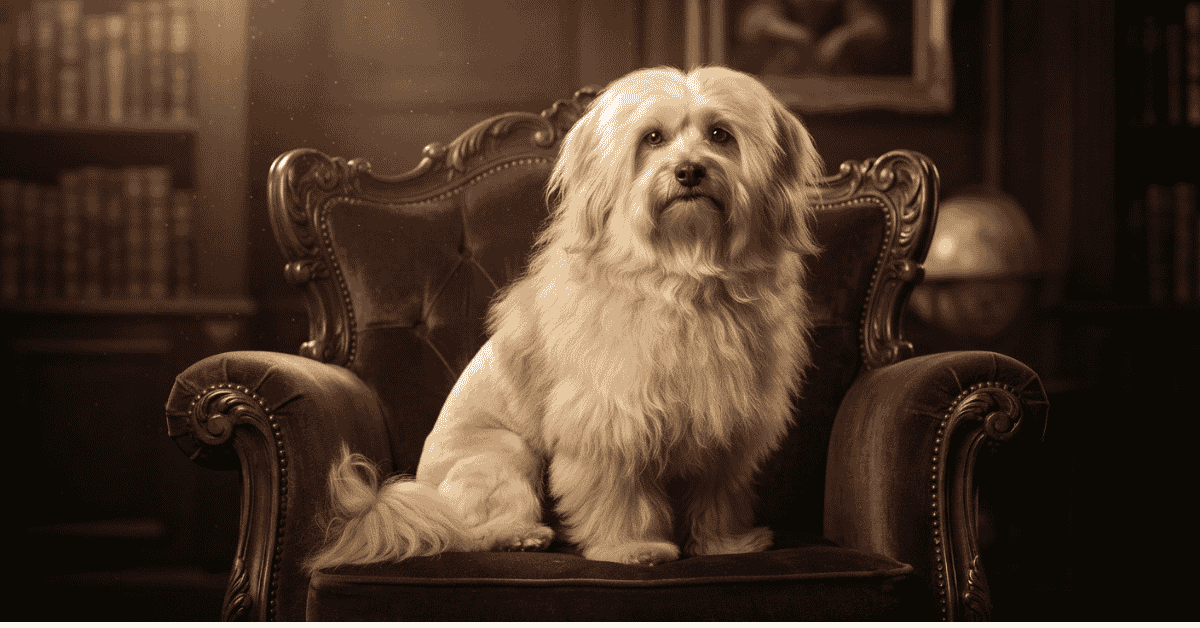
Few companion breeds possess a lineage as artistic, charming, and resilient as the Löwchen. Recognized globally for its distinctive appearance and affectionate temperament, understanding Löwchen History: The Little Lion Dog reveals a centuries-old journey from European royal courts to the brink of extinction and back.
European Roots and Renaissance Artwork
To trace the origins of this unique breed, historians look closely at the art of 15th- and 16th-century Europe. The little lion dog appears frequently in Renaissance paintings, tapestries, and engravings across Germany, Spain, and France. Aristocratic families and European nobility deeply prized these small canines, often keeping them as pampered lap companions and undeniable status symbols within grand palaces.
The Traditional Lion Clip and Purpose
One of the most fascinating aspects of Löwchen History: The Little Lion Dog is its iconic grooming style. Historically, owners shaved the dog’s hindquarters while leaving a thick mane around the chest and a tufted tail, mimicking the appearance of a male lion.
While the exact origin of this clip is debated, several popular historical theories exist. Some folklore suggests the cut was purely aesthetic to match royal heraldry, while other accounts claim the lion clip served a practical purpose—acting as a living hot-water bottle for nobility while keeping the vital organs warm during cold nights, or helping to ward off fleas.
Near Extinction and Modern Revival
Despite their popularity among the elite, changing global tastes and the devastation of the 20th century’s world wars brought the breed to a critical juncture. By the mid-20th century, the population had plummeted so drastically that the Löwchen was once recognized by Guinness World Records as the rarest dog breed in the world.
Fortunately, passionate preservationists stepped in. Dedicated breeders in Europe worked tirelessly to rebuild the population, ensuring that Löwchen History: The Little Lion Dog did not end in obscurity. Today, thanks to these rescue efforts, the resilient little lion dog thrives worldwide as a treasured, playful family companion and a living piece of canine art.

Passionate WordPress blogger sharing clear, helpful guides, simple tips, and practical ideas to help readers learn, grow, and succeed online.