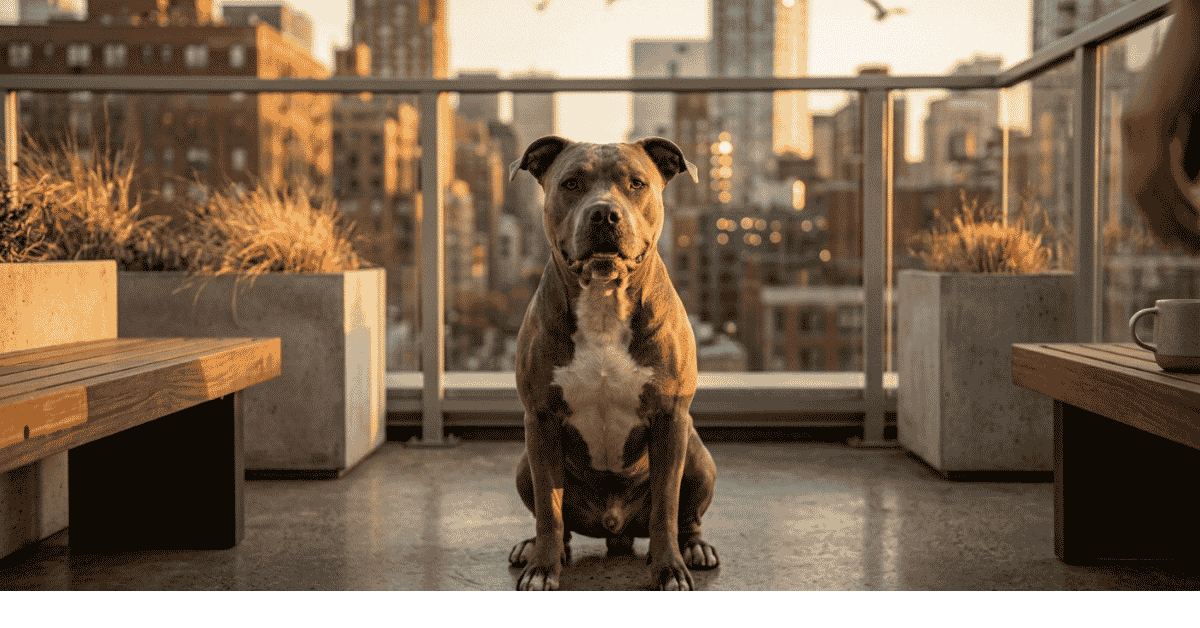
There are few groups of canines that excite and affascinate, enrage and endear, like the various breeds of dogs we call “bullies.” Along with their muscular appearance, broad heads and zealous loyalty, these are one of the most famed (and arguably the biggest maligned) companions in existence. Once you look past the sensationalized media headlines and take time to get to know the bully breeds, what you find is a highly sensitive, energetic respiratory group of dogs rich in history who deserve our respect and understanding.
Defining the Bully Breeds
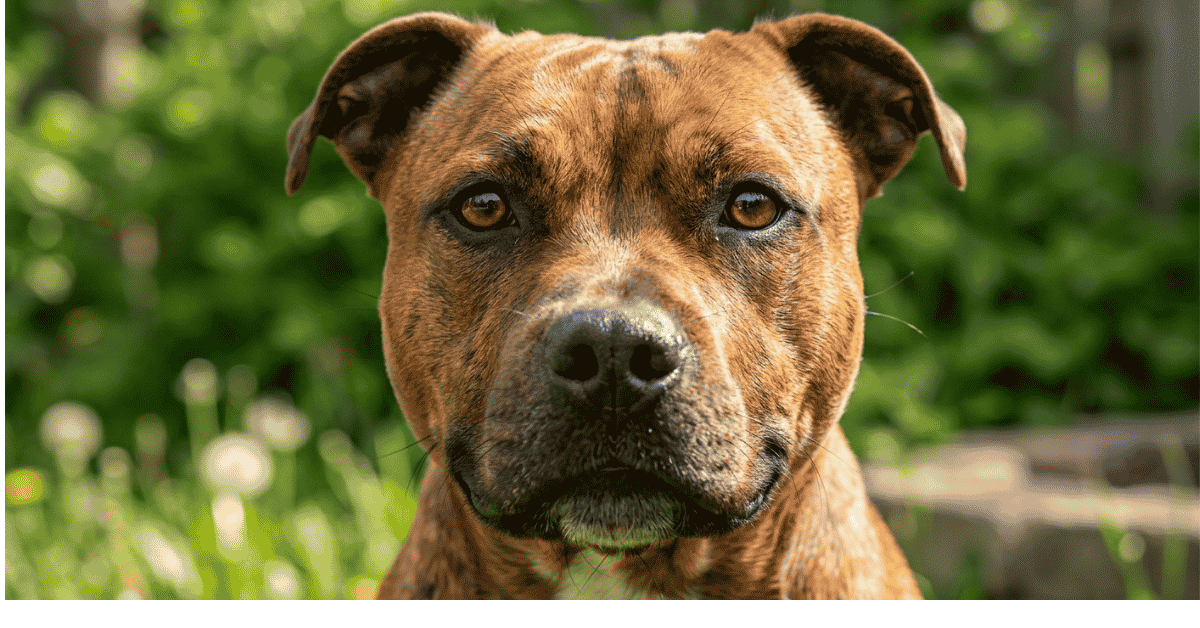
What is a “bully breed”? While not an official kennel club classification, bully breeds are used as a catchall descriptor. They are genetically direct descendants of historic cross-bred mastiff-type and bulldogs originally bred in Europe.
These dogs have a unique look both physically as they are made of muscular physiques, square jaws, expressive eyes and short low-maintenance coats. It usually contains breeds, including the American Staffordshire Terrier, the American Pit Bull Terrier, the Staffordshire Bull Terrier and the Bull Terrier. While they looked menacing, their physical design was intended to strike a balance between sheer strength and some of the most incredible agility and endurance imaginable.
Historical Working Roots
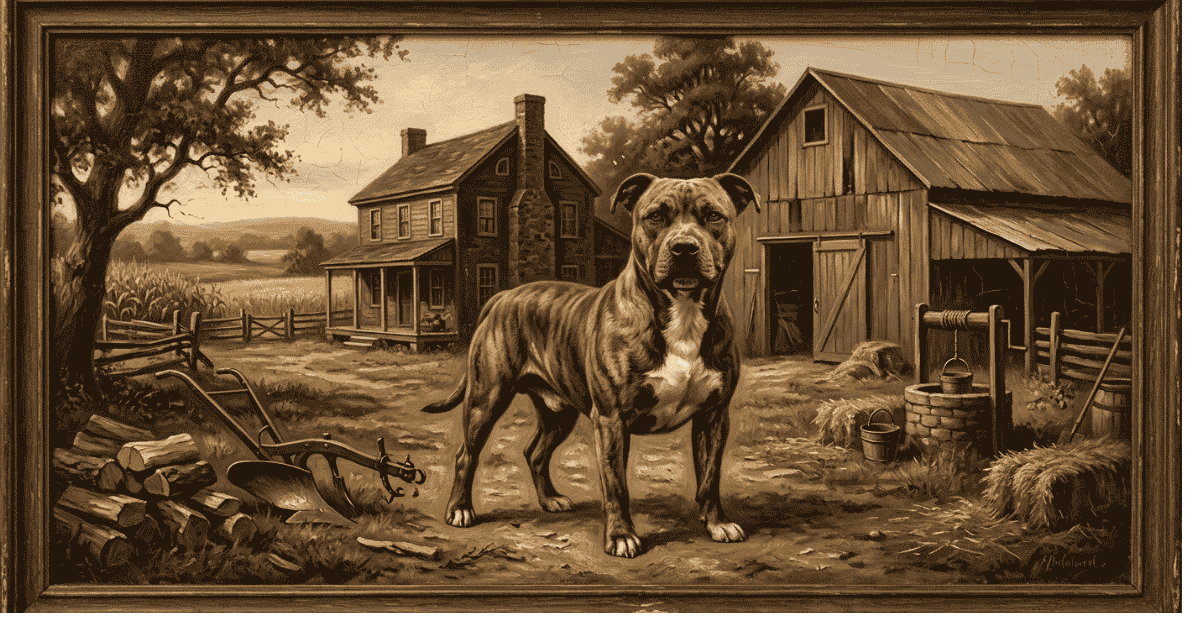
This dog line goes back hundreds of years and evolved from task dogs to homestead companions. Originally bred for cattle-driving and farm work, early bulldog types experienced a dramatic transformation through gradual societal change.
These dogs spread to North America with European immigrants, where they took on various new roles. They acted as multipurpose catch dogs, livestock herders, and family guardians on American farms and homesteads. The utility extended far beyond any one specific historical space, gaining a reputation as durable and more importantly anchored in human-woven labor.
Temperament and Personality Profile
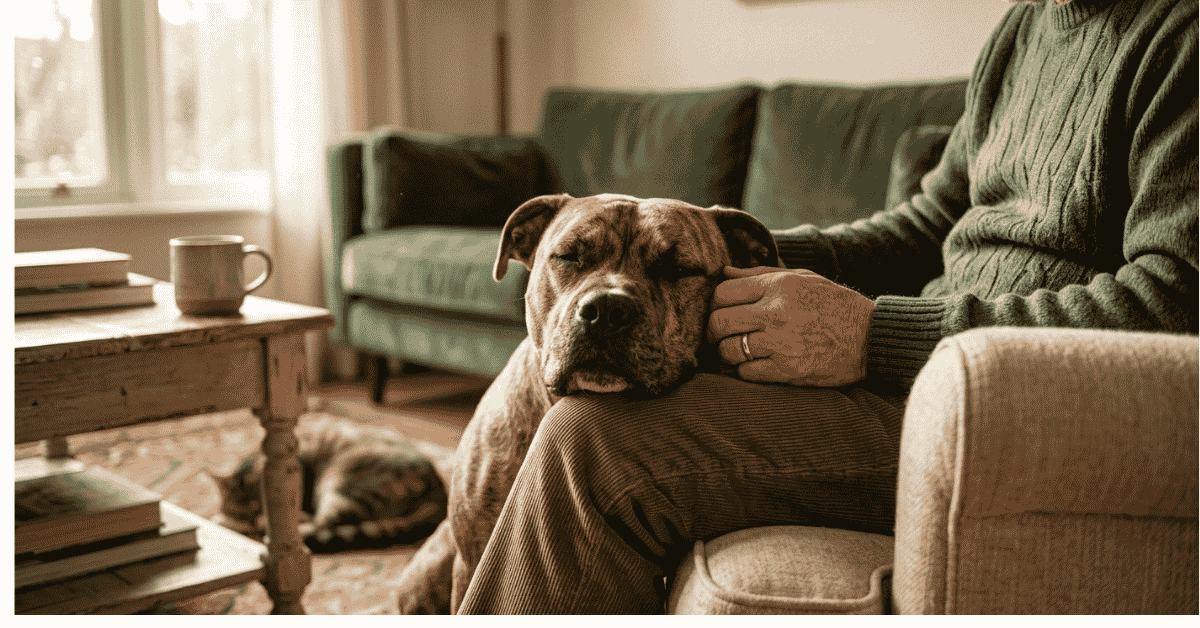
To understand these dogs, you need to look past stale myths—like the myth that they were a so-called “nanny dog,” and see their real behavioral profile. Bully breeds can be known to love the humans in their world extra hard, often becoming the quintessential “velcro” dog to your family.
But responsible ownership also means accepting that they possess these innate characteristics. Most are a high prey drive or level of dog-selectivity because they were bred to work. As such, when you encounter the bully breeds in a contemporary rescue or home environment, it is evident that appropriate early socialization and positive reinforcement training are not an option but the only path to raising a balanced ambassador.
Ownership, Care, and Modern Legacy
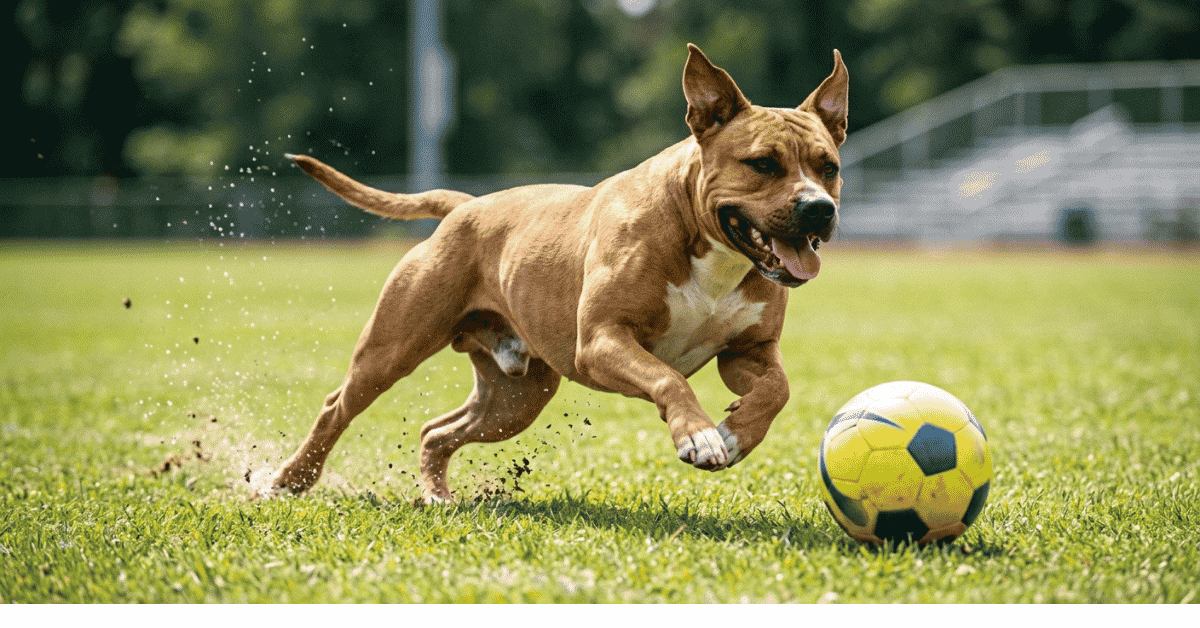
A bully needs a skill set that prepares you for the world today. Their high muscle mass and seemingly bottomless well of energy mean they need constant mental stimulation, daily vigorous exercise (the word “exercise” hardly begins to describe a Walker’s needs), and firm but fair leadership.
Additionally, owners frequently encounter public stigma and Breed-Specific Legislation (BSL) in many localities. Good ownership means good advocacy — through your own actions being a responsible owner, through containment, and through teaching others in the community. In the end, when you encounter the bully breeds, you realize that there is no limit to their love and devotion. The devoted owner that brings order, care and love will gain a loyal friend who turns the meaning of “the bully breeds” on it head.
Passionate WordPress blogger sharing clear, helpful guides, simple tips, and practical ideas to help readers learn, grow, and succeed online.