
Introduction
Like the velvety, regal weight-loss model of a full-sized sighthound trapped in a tiny little body — Italian Greyhounds are pure class. Popularly known as the “Iggy”, this breed actually serves more purpose than just being an aesthetically pleasing ornament; it is a physical connection to our Mediterranean civilization! A portrait of the Italian Greyhound would be incomplete without visiting its history, which tracks a diverse evolution, from initially being sought after personal property of nobility to becoming one of the most loving and extraordinary companions you will ever own.
Ancient Roots and Mediterranean Origins
The Italian Greyhound has a history that dates back thousands of years, with small hound-like dogs in the Mediterranean area being supported by archaeological evidence. Remains recovered from regions now identified as Greece and Turkey reveal petite, elegant dogs that have a characteristic sighthound shape—long body, sloping back line, and slim, tapered limbs.
They were working dogs, but even then they were not pure utilitarian hunters and had been bred for looks and a temperament good in the house. They held a position in the social class all their own, where they became more of a status symbol and luxury for the rich upper class who saw them both as companions as well as desirable due to their perceived poise and sophistication.
Renaissance Prominence and Royal Favor
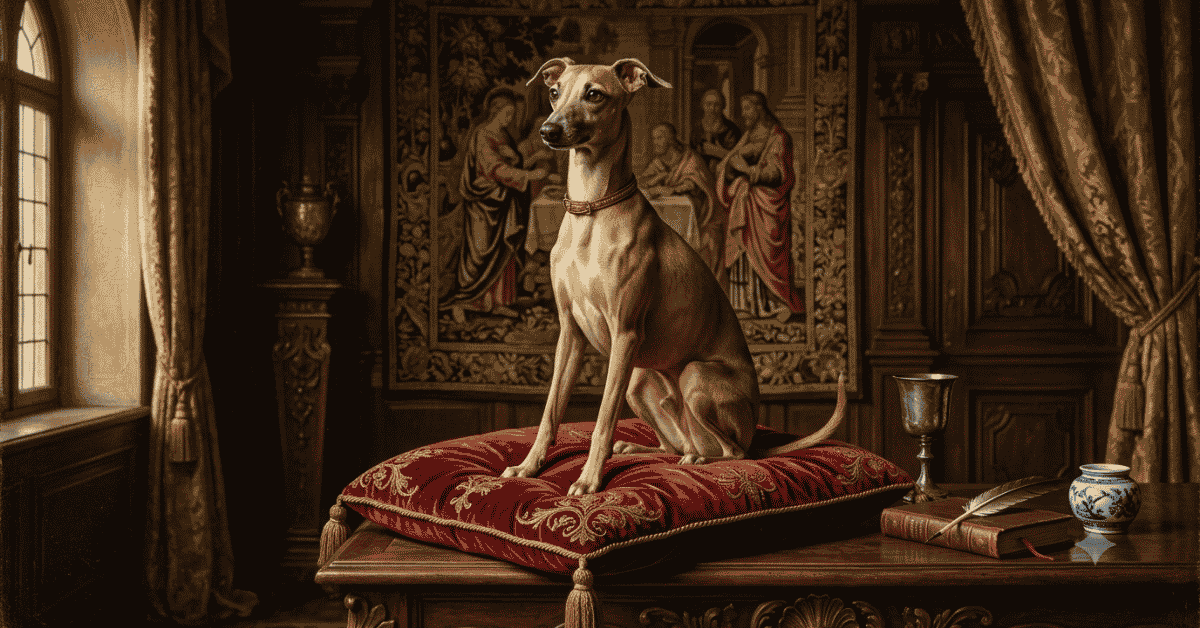
The breed’s actual rise to prominence happened during the Italian Renaissance, where they were dependent on English blue bloods. During this period, dogs of this breed served as status symbols and were commonly depicted in works of art (often resting across the lap of royalty).
Over the next couple of centuries, the breed became firmly entrenched in European royal courts. These all became companions to the most well-known rulers in history, such as Catherine the Great of Russia, Anne of Denmark, and Queen Victoria. Royalty prized them for their decorative traits, sure, but really they were sought after for their velcro levels of devotion. They were almost like the members of the inner circle who quite literally retreated to the royal apartments and were associated with all the splendour of Europe.
Refinement and Breed Standardization
The breed has been bred down to modern “miniature” proportions over many centuries, through selective breeding. Breeders wanted to minimize the dog heavily while maintaining the bulk and profile of a larger sighthound.
It came close to being lost in the 20th-century world wars—and that delicate balance between efficacy and agility is what keeps us from no longer requiring a toy–sized body. The breed experienced catastrophic reductions in population during both World War I and World War II, leaving them on the verge of extinction. The breed was preserved and returned to the strong – if a little reckless – health we see today, only through the dedication of a small group of committed fanciers and patience, using judicious outcrosses into other breeds while adhering to strict breeding rules. So the history of the Italian Greyhound is thus a study in human devotion and of the survival of a very nearly lost breed.
Modern Role and Breed Characteristics
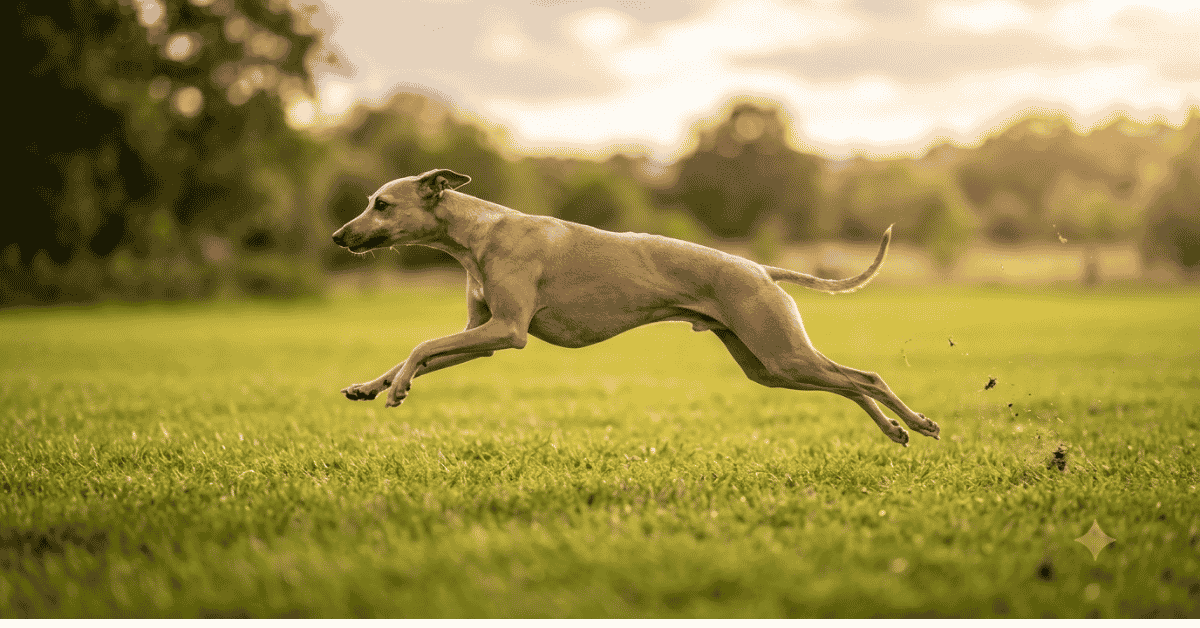
Today, the Italian Greyhound has made an elegant return from royal estate to contemporary family room. They no longer need to hunt, but they still have the speedy “zoomies” and quick movement of their sighthound ancestors.
They no longer need to hunt, but they still have the speedy “zoomies” and quick movement of their sighthound ancestors.
Modern Temperament and Companionship

Today, however, their modern owners value them for how strongly they bond with the people that matter to them and their somewhat challenging but playful character.
Preservation of the Breed
Kennel clubs and breed associations are tirelessly working to maintain the unique anatomy of their breed, allowing for vigorous bursts of energy without sacrificing long-term health or a steady temperament, along with potentially fragile bone structure.
Conclusion
The history of the Italian Greyhound has essentially turned them into a “velcro” dog, as we consider their role today. They prove that while life as dogs has evolved, their roots of being an affectionate, regal dog companion will never change; thus, the history of the Italian Greyhound will be written by families who love and care for them right this minute.

Passionate WordPress blogger sharing clear, helpful guides, simple tips, and practical ideas to help readers learn, grow, and succeed online.