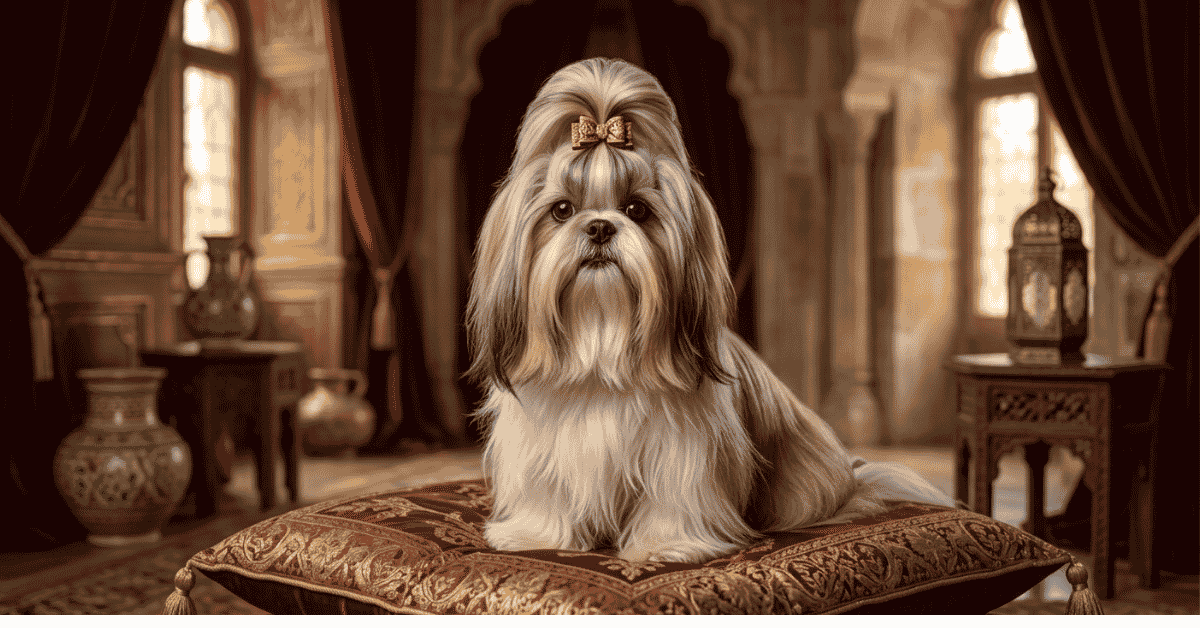
The omnipresent Shih Tzu — Highness, even a toy breed; few others combine that regal, superior stature and noble, splendid coat with such an instinctively aristocratic lineage. These adorable little dogs have been treasured for centuries as royal palace pets in Asia and carry an air of antiquated nobility. The History of the Shih Tzu: Explore A Journey from Secluded Himalayan Monasteries, to the Lapdogs of Chinese Emperors and Your Living Room — To Truly Appreciate What This Affectionate Companion is All About
Ancient Monasteries and Tibetan Roots
Doggy background: The breed’s earliest origins are in the high mountain plateaus of Tibet, where small temple dogs were highly prized by Buddhist monks. They were usually bred to look like small versions of lions, which are sacred animals that serve as spiritual protectors in Buddhist ideology.
They played no role in the storyline as working hunters or guard dogs; instead, they were prized for their serene, loving nature as companions in the temples. Tibetan lamas gifted these holy dogs on special occasions as a mark of high esteem, sowing the initial seeds of The History of the Shih Tzu within the walls of royal courts in China.
The Imperial Palaces of the Chinese Dynasties
After the dogs entered the Forbidden City during the Ming and Qing dynasties, they lived a life of unimaginable luxury, but also strict isolation. In the palace, imperial eunuchs bred them to miniature sizes by hand and selected for large, round eyes and exuberantly double coats.
The emperors were so overprotective of the royal lapdogs that they kept them secret, preventing samples from leaving China’s borders and banning the export of any other dogs or puppies. During this time of imperial pampering, the History of the Shih Tzu evolved the unique physical traits we recognize today—especially its brachycephalic features and regal posture.
Western Discovery and Modern Legacy
Western world was completely ignorant of the breed before the early 20th century, when British and European military officers stationed in Asia were given or smuggled breeding pairs back to England. Although kennel clubs gradually recognized the breed, it all but disappeared during World War II.
Hardy breeders went to work and revived the lines that survived. And today, from still marvels of genetic engineering comes the history of the Shih Tzu’s epic conclusion: One of the friendliest, most gentle, pampered family companion dogs this world has ever known — and should extra acclaim be needed to further authenticate their royal heritage, it still shines through in each of the innately friendly homes they enter.

Passionate WordPress blogger sharing clear, helpful guides, simple tips, and practical ideas to help readers learn, grow, and succeed online.