Introduction
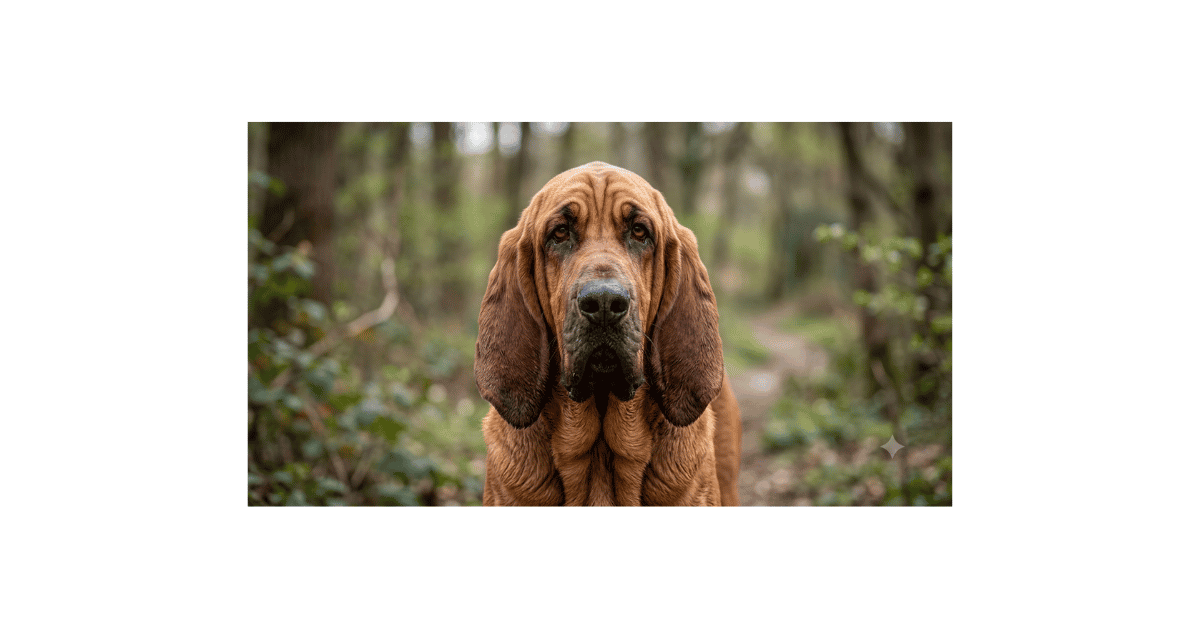
When it comes to working dogs, few breeds have as legendary a reputation as the Bloodhound. These animals seem almost regal with their long ears, sad eyes, and oversized bodies. However, this is no common dog; This is a Biological Detector, built for one task. Tracking. Tracing the history of the Bloodhound gives us an intriguing tale weaving a path from distant monasteries in Medieval Europe to today’s crime investigation.
Early Origins and European Development
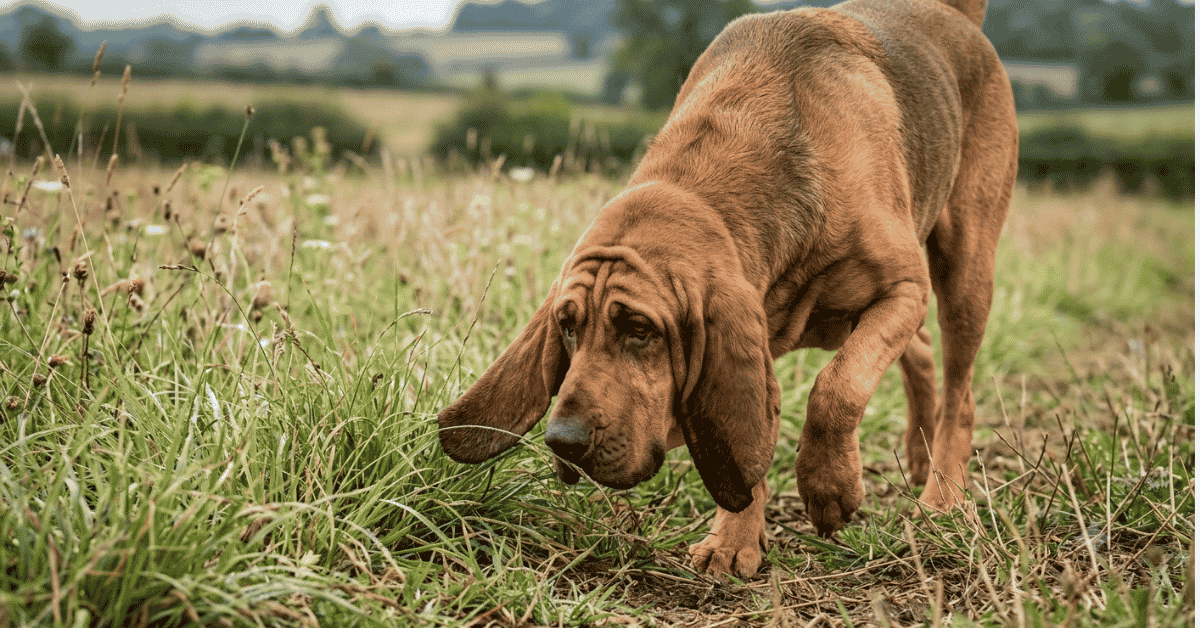
One of the oldest breeds in the canine pedigree book, the Bloodhound’s history is a mystery itself. Its roots are historically and monastically linked to medieval Europe.
Origins of Monks
Written records trace the breed to the 7th century, where they were developed by St. Hubert of Belgium and his classes. The dogs — originally called the “St. Hubert Hound” – had been meticulously bred for their ability to track game through hostile and impenetrable wilderness by monks.
Your ‘Blooded’ Hound
Another common myth holds that the name “bloodhound” means to run after blood or be aggressive. Actually, the name is an abbreviation of “blooded hound”—the nearest thing you can get to a pure breed and therefore still noble blood.
European Nobility
With the reputation of the breed for scenting, they were taken up by the aristocracy in Europe. Their versatility made them essential companions for the use of wild boar and deer hunting, where they were favoured by royal and noble families for their determined field performance.
History and Traits of the Breed
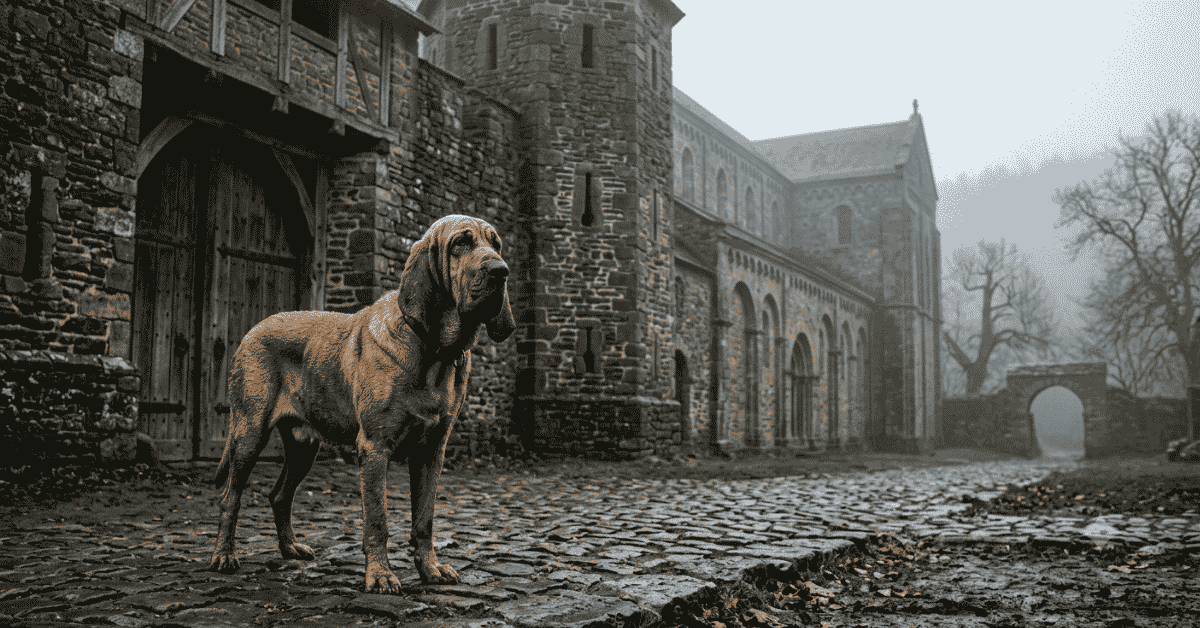
The Bloodhound’s physical structure is an effect of hundreds of years of natural selection based purely on scent work.
Each unique attribute has a functional purpose. Their signature lengthy, flop-over-the-face ears are purposeful; as the dog moves, they brush the ground and sweep up scent particles toward the nose. The trademark loose, wrinkled skin surrounding the head and neck serves as a “scent trap,” keeping odor molecules close to the nostrils so that the dog never loses its trail, even in gusty winds. They were then bred steadily, primarily in England, to become the most infallible bottomless-nosed dogs alive, with a disposition of mild but determined focus.
The Bloodhound in North America
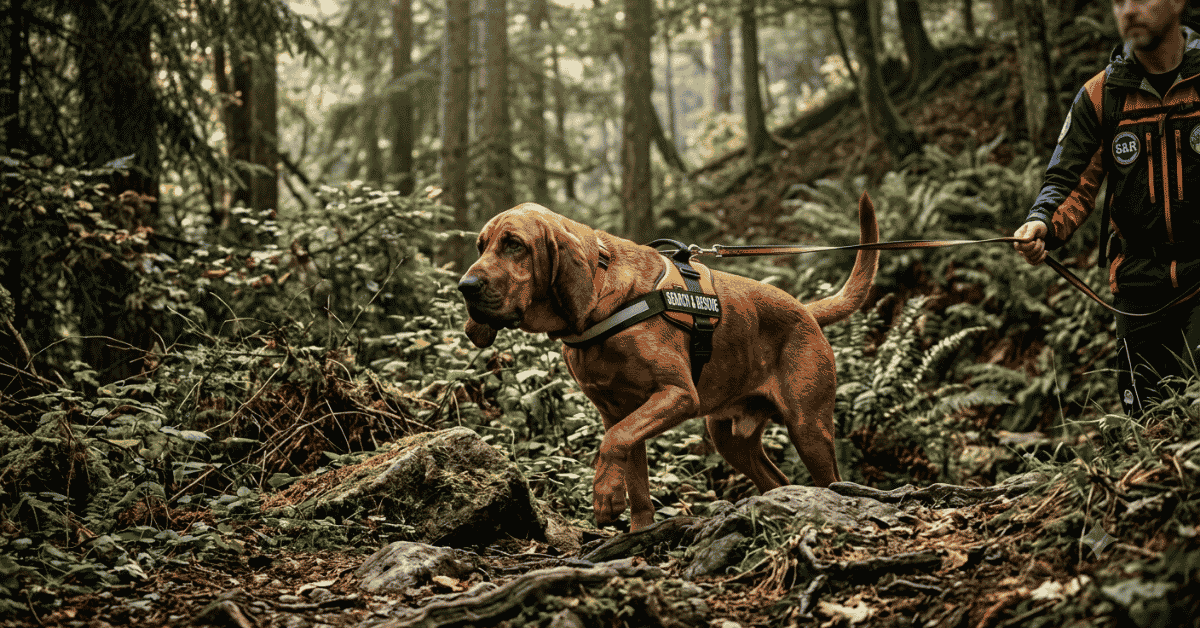
The breed’s arrival on these shores began a pivotal turn of fate for its former utility. However, while their roles initially included hunting dogs, the demand for companionship in a prospering society called on new traits.
Bloodhounds migrated to North America during the colonial years and were reformulated as search and rescue teams. Their ability to track people across hundreds of miles through rugged terrain gained them a reputation almost overnight. These are the only dogs whose scent tracking evidence is officially admissible in a court of law, as they hold rather special status with respect to their place within the legal system in many jurisdictions; their performance at tracking is so reliable that it is regarded as unique among different breeds.
Modern Milestones and Status
Bloodhound history has, in modern times, shifted from game trails to SAR and law enforcement as the pinnacle breed.
Modern Milestones
| Milestone/Category | Status/Details |
|---|---|
| Registry | So, removed from the AKC and The Royal Kennel Club. |
| Primary Utility | Tracking criminals by law enforcement and human search and rescue. |
| Heritage | Remains amongst the most purely bred and least altered working breeds. |
Conclusion
Fancier breed clubs still train and preserve the old working anatomy of the breeds, giving them a long-lasting endurance base and nose-based focus inherited from their ancestors. Be it while they are assisting in the search for a dangerous fugitive or resting comfortably at home, those familiar with the history of Bloodhounds know they are looking at an artifact–an archaeological creature, if you will, one that has performed no differently by shape or function for more than one thousand years. It is hoped that breeders will continue to maintain this legacy, ensuring the Bloodhound’s place in history is a tribute to the indisputable strength of the canine nose.
Passionate WordPress blogger sharing clear, helpful guides, simple tips, and practical ideas to help readers learn, grow, and succeed online.