Introduction
The Miniature Bull Terrier is one of the single most recognizable breeds in all of dogdom. With their distinctive “egg-shaped” skull and powerful, portly body, they are an archetype of the definition of having a “gladiator” personality in a small package. But their snazzy modern form has taken hundreds of years to evolve into its current state. A snapshot of Miniature Bull Terrier history helps us trace the evolution of this breed from its days as a ratter and fighting dog to our beloved combination hound/clown companion family members today.
19th-Century Foundations and Ancestry
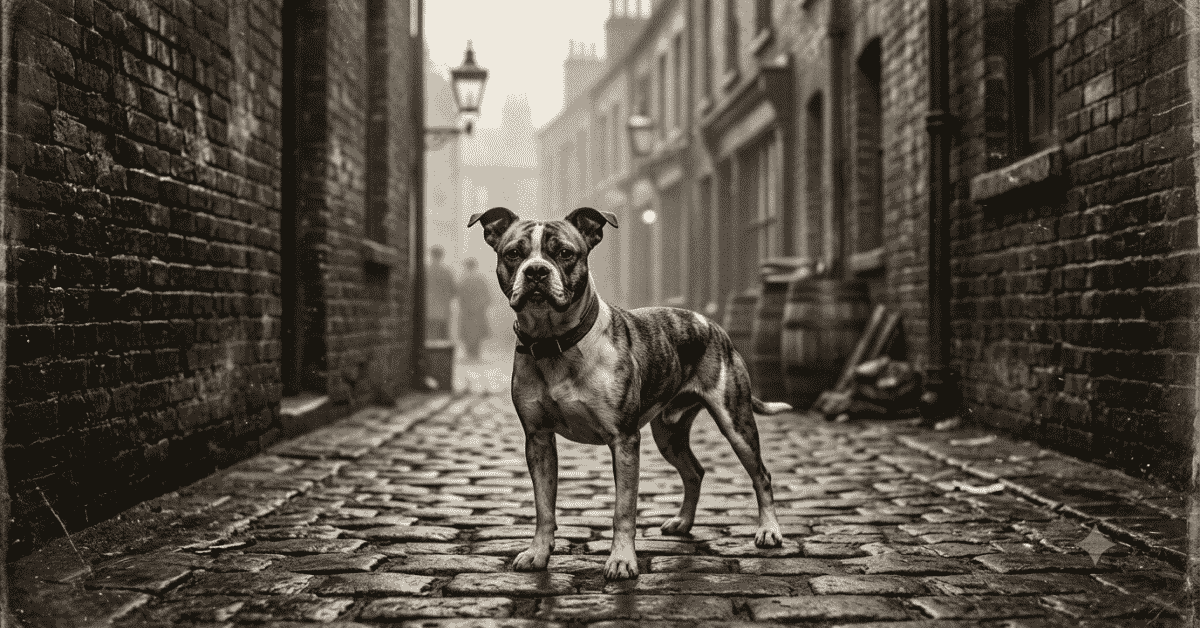
The Miniature Bull Terrier hails from the filthy backstreets of 19th-century Britain. At this time, breeders were attempting to devise a dog that possessed the sheer grit of the Old English Bulldog as well as the quickness and mobility found in dogs like terrier breeds no longer with us today, including the White English Terrier.
This hybrid of Pit Bulls, colloquially known as “Bull and Terriers,” was bred for two main reasons: ratting — competing rodents in pits to clear them of vermin — and illegal fighting against other dogs. As such, the breeding they came from during their formative years was never uniform in size; breeders actually preferred those that could manage to get themselves into tight spaces! Being a pragmatic breed, smaller, very agile dogs were selected for this purpose, providing the genetic basis for the small version of the breed we know now.
Development and Standardization (1800s–1900s)
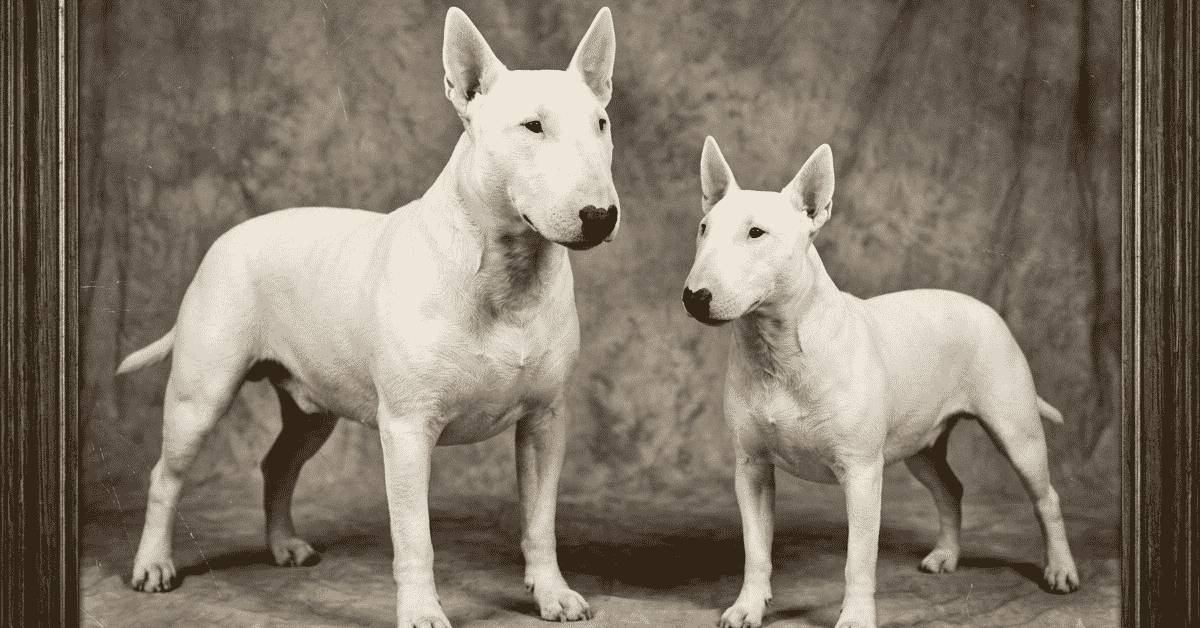
Much of the breed’s improvement can be credited to the imagination of James Hinks, a mid-19th-century dog fancier from London. Hinks wanted to turn the rough and tumble “Bull and Terrier” into a more polished, consistent breed. He highlighted the pure white coat and the extreme, egg-shaped head shape associated with the breed today through selective breeding, which often included Dalmatian and Greyhound bloodlines.
The Standard Bull Terrier, by the process of refinement, became more conspicuously different in size from one dog to the next. Soon, however, they began to intentionally segregate the smaller ones, not as runts but rather a breed of their own. The Miniature Bull Terrier suffered with ebb and flow popularity as well as organizational issues for many decades before the breed’s recognition by The British Kennel Club in the late 1930s successfully petitioned for the history of the dog to become a separate, recognized breed standard.
Evolution into a Companion Breed
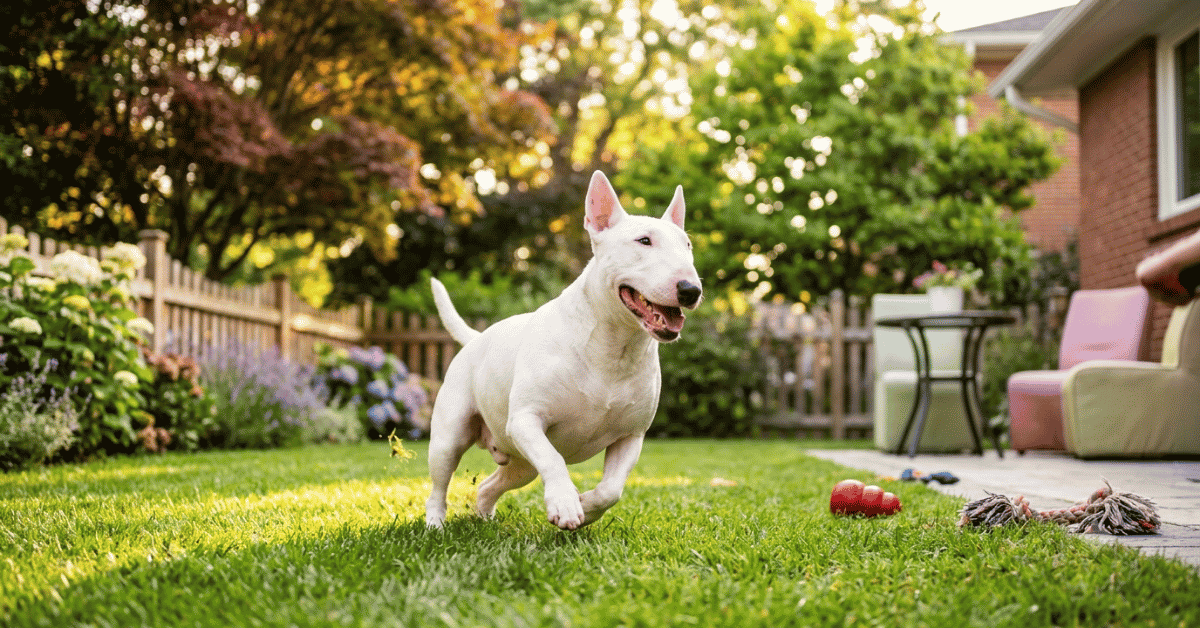
Blood sports had been forbidden in Britain, and the breed would have to be remade for an entirely different purpose. Breeders made a shrewd pivot, combining temperament and structural strength over fighting ability. Losing this reputation was key; it gave the breed a chance to move away from its aggressive past and become an American favourite as the “kid in a dog suit” personalities they are known for today.
Choosing for sociable, loving individuals resulted in a breed turned into the heartstrings-clammer family companion. These days, they’re valued for their personality that walks the tightrope between playful high-energy goofiness and a stubborn and funny dog. However, they carry the “gladiator” breed spirit of their ancestors now aimed at agility, obedience, and bonding with humans for life.
Modern Milestones and International Reach
The Miniature Bull Terrier was popular in recent times for the breed’s success as a competitor show dog and family pet. There are strict breed standards set by major registries—such as the American Kennel Club (AKC) and The Royal Kennel Club—to maintain their size and temperament.
Thanks to their portability and adaptability in different living conditions, they have become a go-to for urbanites and active families alike. Still as spirited and tenacious as ever, they are now celebrated for the same exact traits that used to seem niche. Of course, if you look back at the history of the Miniature Bull Terrier, it is clear that their survival and even supremacy to this day has not been sheer luck — but rather a result of a breed that keeps one foot in its fiercely independent past while expressing unbridled affection in a way only the true ‘Minnie’ can.
Passionate WordPress blogger sharing clear, helpful guides, simple tips, and practical ideas to help readers learn, grow, and succeed online.