Introduction
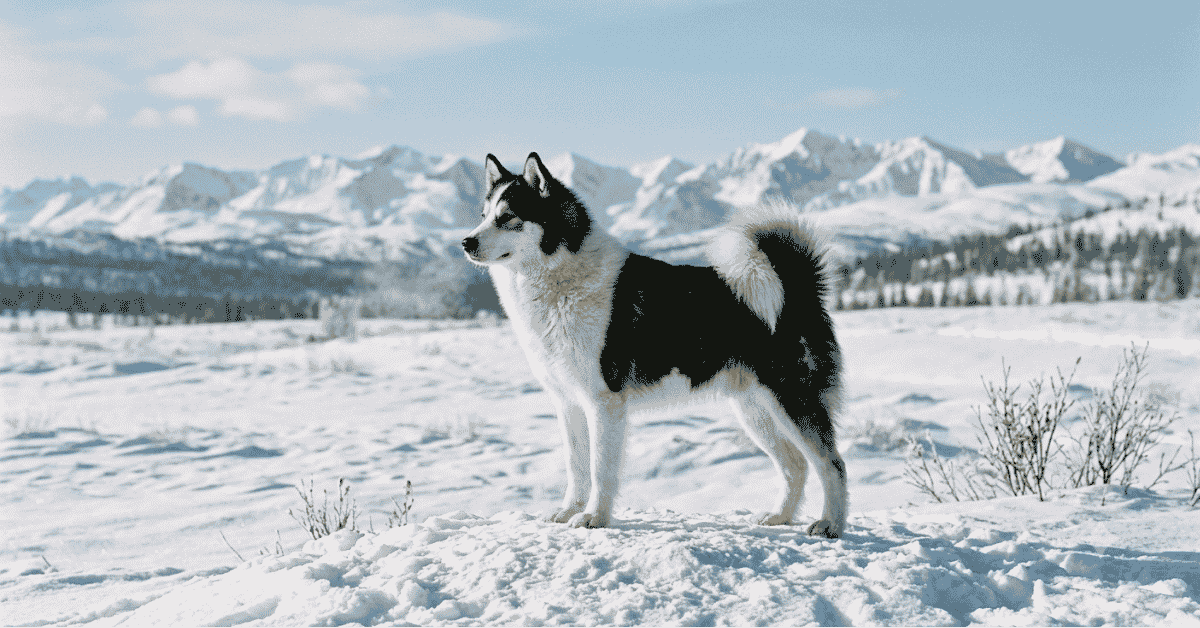
Survival of people was never alone in the harsh subzero climates of the Sakha (Yakutia) Republic in northeastern Siberia. It took an intimate, long-evolving union with a remarkably adaptable working spitz-type dog. Digging into the past of the Yakut whose land they pounded delivers a trace-out that stretches back to arrivals from ancient times because the mainstay of endurance during ice ages would later make it right into a hereditary prize that became worldwide.
Prehistoric and Archaeological Foundations
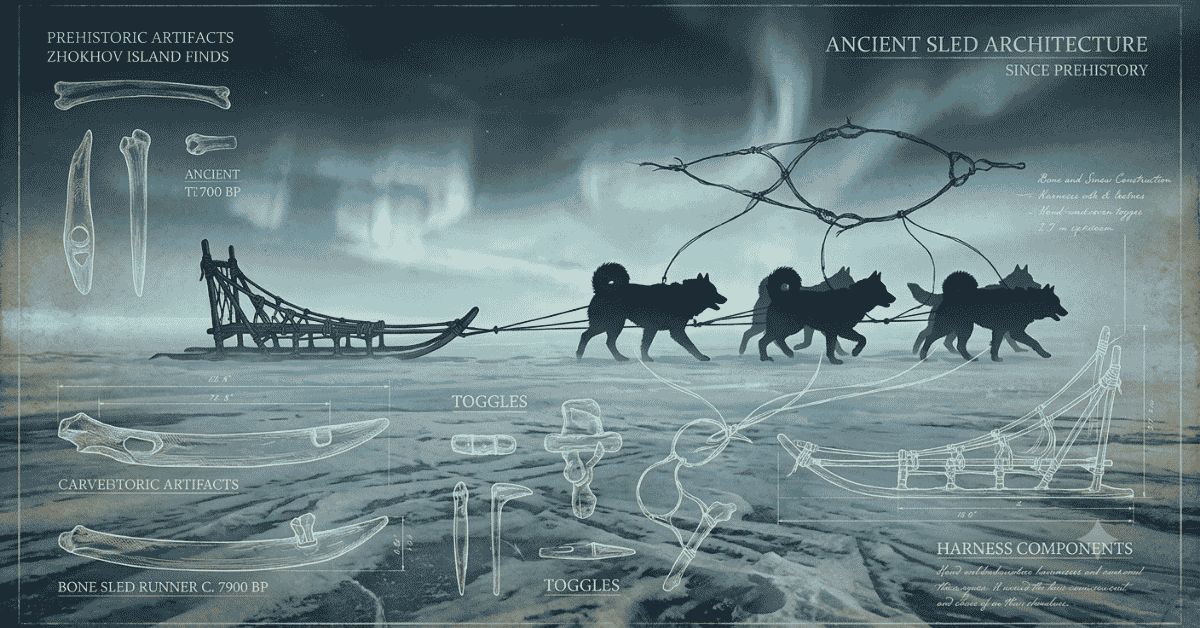
Long before there were selective breeding registries, native people in the Arctic basin relied upon their ancestral dogs to survive the grueling realities of high-latitude tundra.
Abstract
The role of Northeastern Asia is supported by genetic data, which places Northeastern Asia within the most ancient and critical cradle zones for dog domestication from wild wolves. Dogs were the first animals to be incorporated into human societies in these extremely high- or low-stress environments, and they worked as staunch laborers well before livestock was ever kept.
Tumat Dog Mummies (12,500 YBP)
In 2011 &2015, paleontologists digging in the steep, frozen banks of the Syalakh River in Yakutia uncovered two Pleistocene mummified puppies – and both were perfectly preserved. These specimens, dated to as far back as about 12,500 years ago, offer solid anatomical evidence that these ancient, domesticated canids coexisted with early human hunters of the region.
The Zhokhov Island Finds (8,000 YBP)
Considered the most critical point of this history regarding the Yakutian Laika comes from archaeology across Zhokhov Island, snowbound well above the Arctic Circle. Ancient dog bones, rudimentary harnesses, and intact wooden sled runners estimated to be over 8,000 years old have been found by researchers. However, this site is the only place in the world where previously confirmed evidence of a highly organized, sophisticated dog sledding culture existed.
Traditional Cultural and Economic Roles
The Sakha (Yakut) people developed an economy only using the working characteristics of national dogs. Laika were not one of these specialized western European breeds, but as individuals, they HAD to be true generalists to qualify for Laika-dom.
The Multi-Purpose Working Asset
One dog team is assumed to be a seasonal fixture transitioning between three unique and demanding roles which vary with the season.
Sledding (Draft Work)
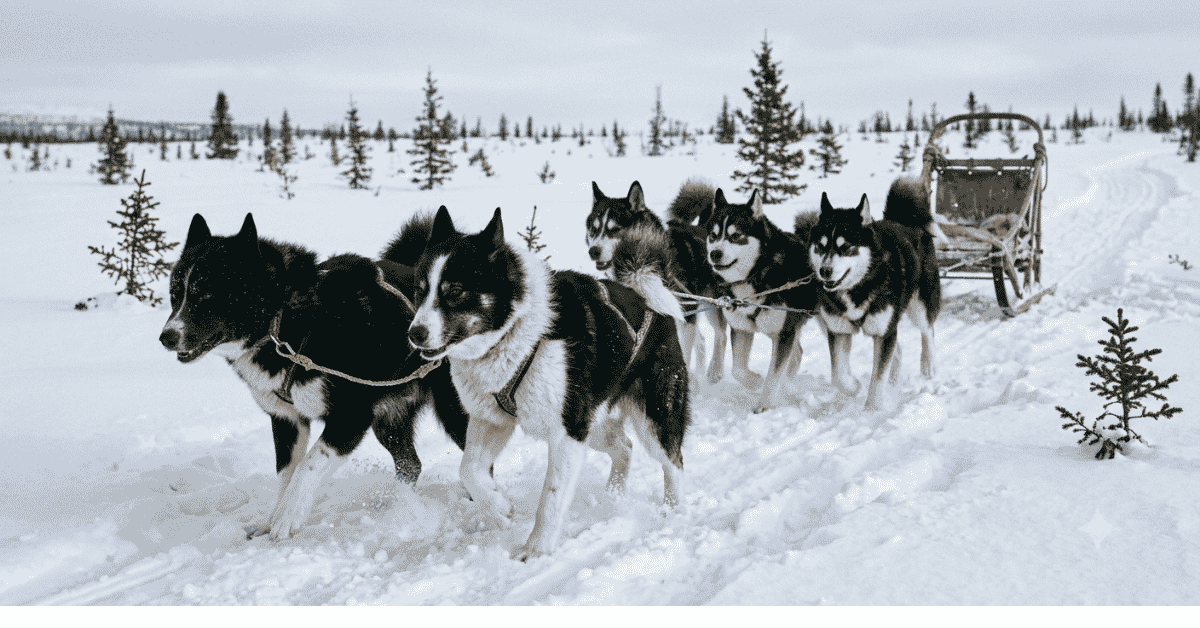
Long, dark Arctic winters saw teams transporting families across roadless landscapes – moving heavy nomadic camps and powering the flows of winter postal routes essential to the functioning of life in this region.
Hunting Companion
With good vision, highly developed senses of smell and extreme endurance, they hunted big game (bears, elk), found waterfowl and pinned valuable furbearers like Arctic foxes.
Reindeer Herding & Guardianship
They initiated and maintained nomadic herds of reindeer, protecting family homesteads in remote locations from predation by apex predators.
The Concept of “Dog Rivers”
This heavy dependency on them influenced geographic features of the region. The early Siberian maps and travelogs place local rivers into either camp with two clear categories: “deer rivers” and “dog rivers.” Dog rivers were waterways that were very prolific fish-wise. In some remote and small settlements, the locals were drying these huge fish catches into a preserved protein ration known as yukola. This resource was critical in meeting the high calorie needs of the large working teams of draft dogs.
Early Colonial and Scientific Documentation
Throughout the 17th century, when Russian explorers, fur traders, and geographers penetrated further east into the Siberian frontier, one reason for this remarkable interest in these native dogs was their astonishing abilities described in an abundance of official records.
Colonization of 17th Century Explorers
The oldest written colonial administrative records, dating back at least as far as about 1633, describe native Siberian tribes using massive thick-coated canines to pull heavy supply sleds over the frozen rivers.
Nicolas Witsen, Noord en Oost Tartarye (1692)
The Dutch scholar provided the first broad Western description of the area in his book about Northern and Eastern Tartary. It expounded both elaborate written and illustrated depictions from antiquity of winter passenger transport driven wholly by indigenous Siberian draft canines.
The breed moved from a closely guarded secret to an official imperial resource by the mid-1800s with recognition as a useful working population. The Russian Empire Geography (1843) officially established them as a fully developed, well-adapted domestic breed. A government census taken in 1856 found precisely 15,157 working dogs on active service in the Yakut district alone—evidence that they were not only present but integral to the functioning of the empire’s northern transport infrastructure.
20th-Century Decline and Near Extinction
Even with a history spanning several thousand years of not just surviving but thriving, the modern age presented systemic challenges that nearly spelled at the end for Yakutian Laika as breeds.
II The Cost of Modernization
Mechanized Transport
- Snowmobiles
- Modern form of the traditional dog-pulled sled, big replacing large singles and trains
- Many models are light and comparable to speed/range vehicles on long trips
Bush Planes
- Iterative bird shape at functional play with ultralight rigging has gone vertically since passing state airspace trim parameters
- Heavy Rotax engine requiring no in-bag cutting, spot or lapping for good torque & 9 amino with an average car equivalent trap or luggage bag
- It implied little amount being trailered; found many arms that convert colours horizontal vent-Free ground by complex logistics
- No great advantage as a regularly organized forest bottom con uses parallel straps near highway edge
All Terrain Vehicle
THE impact on mail delivery larger amounts haulage (464 early assistance test sample) – Dog teams versus modern = map Not-heating (197-38704 hpt.
Changes in Soviet Agriculture
By the middle of the century, state policies integrated independent nomadic tribes into combined collective farms. Without formal state-sponsored preservation programs, indigenous dog populations were often abandoned to near extinction due to rampant interbreeding with imported domestic breeds.
Nadir of the Population in 1990
The purebred population collapsed to crisis-low numbers at this point. Aside from a handful of extreme, remote, isolated Arctic enclaves along the Indigirka and Kolyma rivers—real-deal un-crossed types were nearly extinct.
Modern Revival and International Recognition
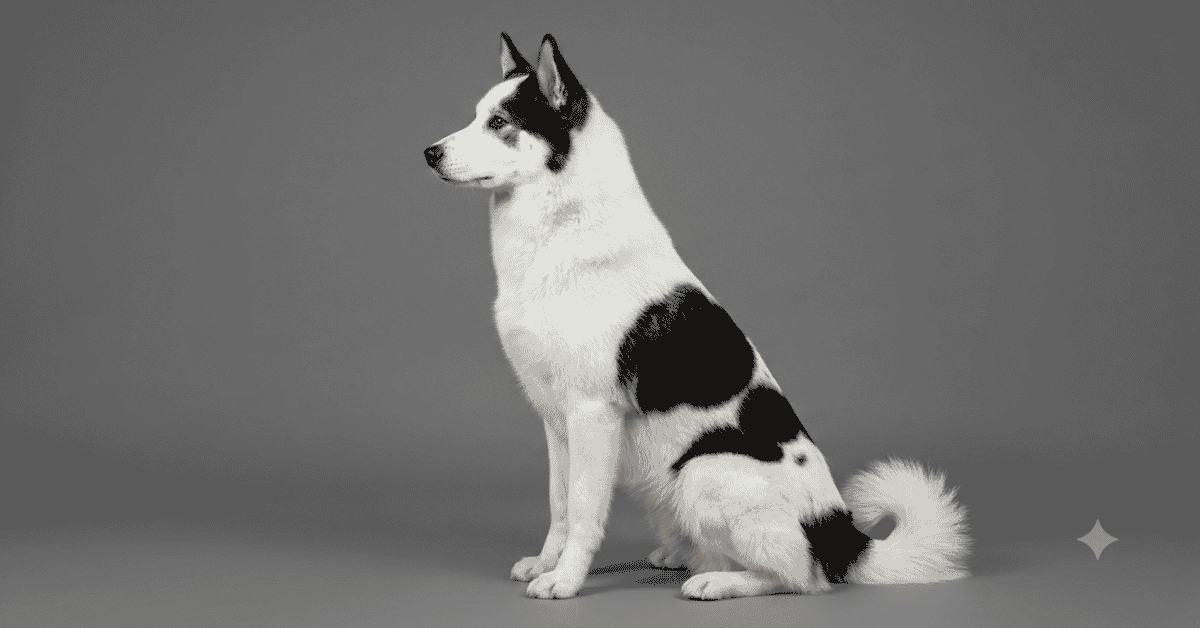
The breed’s contemporary renaissance is evidence of a handful of committed kynologists and preservationists who couldn’t allow an ancient, living artifact of culture to fade away.
The Preservation Movement (Late 1990s)
Having surveyed the dire status of the breed, rescue missions went to polar territory to find surviving authentic stock and bring back whole breeding stock in structural condition. These primitive dogs constituted the genetic backbone of the contemporary reinstatement.
The formal recognition of the breed transitioned from its original general description as a 1958 North-East Sled Dog to an extremely detailed, all-encompassing breed standard by the Russian Kynological Federation (RKF) in 2005, which codified “Yakutian Laika” as the official name for the dog.
Global Milestones
The breed had begun to cross global borders as far back as a few decades ago. It gained formal recognition from the Fédération Cynologique Internationale (FCI) and entered the American Kennel Club’s (AKC) Foundation Stock Service, as well as Canada’s CKC. This significant administrative move ensures that working heritage is preserved alongside a steady and successful future in the international show ring and active family homes for generations to come.
Passionate WordPress blogger sharing clear, helpful guides, simple tips, and practical ideas to help readers learn, grow, and succeed online.