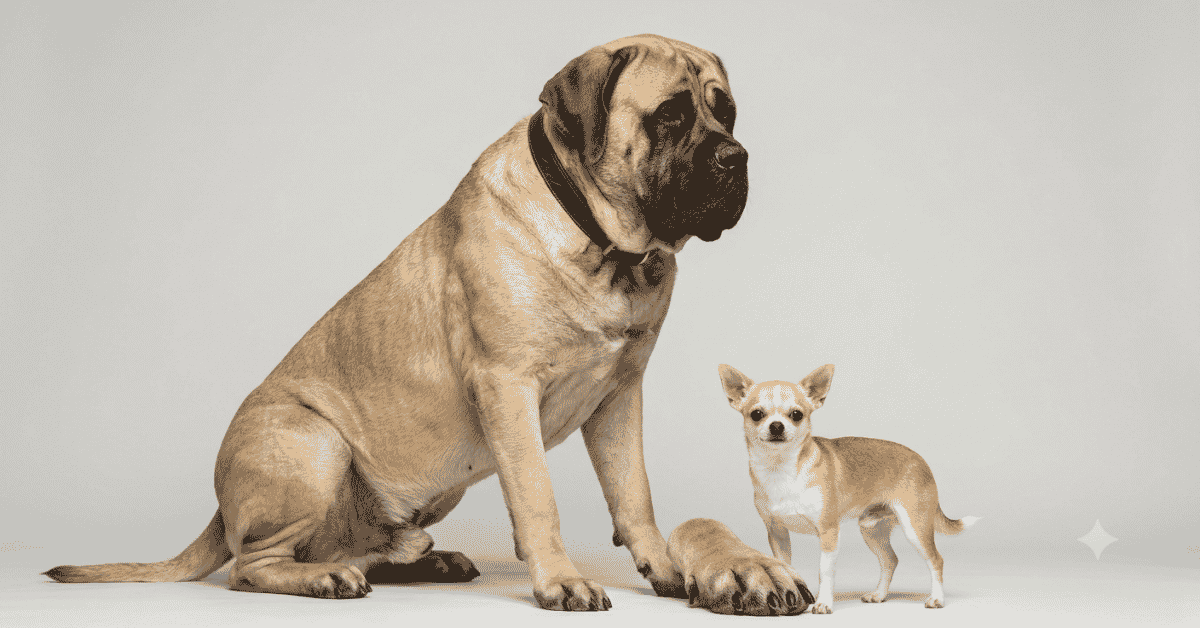
If one is unfamiliar with dog shows or only peruses a kennel club registry, walking into a large conformation dog show might be like swimming in a sea of shapes, sizes and coats. The domestic dog (Canis lupus familiaris) shows far greater physical diversity than nearly all other mammals on Earth, ranging from the smallest Chihuahua to the largest Mastiff.
In order to impose some form of order on this vast esoteric diversity, major registries such as the American Kennel Club (AKC) categorize hundreds of recognized breeds into a hierarchy. So, Why Seven Breed Groups? The answer is a combination of history, competitive practicality, and the functional work these dogs were bred for.
History of the Breed—How Have They Evolved
In the days before modern dog shows, dogs were recognized by what they could do. Pristine pedigrees meant little to ancient cultures — survival was what mattered. You had a dog that was either a hunter, guardian, herder, or lapdog.
By the end of the 19th century, however, this relationship changed with the rise of the Industrial Revolution. Dogs went from paramount farm help to cherished house buddies and the fashion of the trendy Kennel Club was born.
Registries soon figured out they had to implement a system of putting dogs into classifications, because it wasn’t just about documentation but, more importantly, creating competitive classes for events such as the Westminster Dog Show and the National Dog Show.
Kennel clubs created a system that spans from the past into more modern evaluation by collapsing dozens of specialized types into seven very general groups.
Insights into Seven Functional Pillars
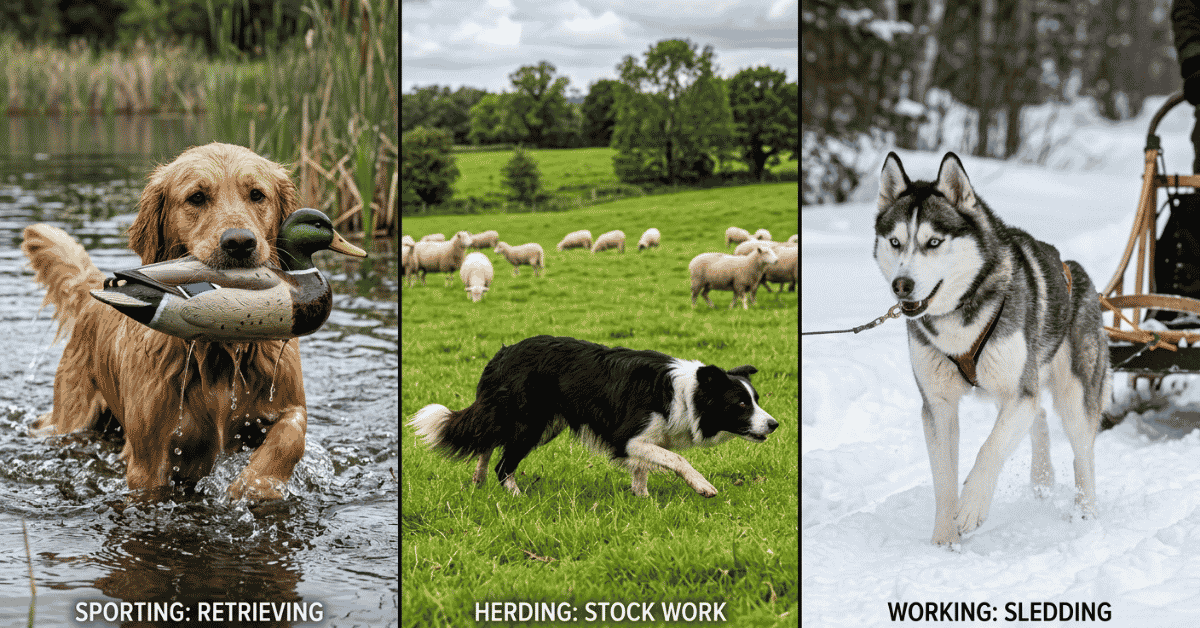
The seven-group system classifies dogs according to their historical functions. Each group typifies a separate evolutionary underpinning of canine exertion.
The Sporting Group (Gundogs)
The sporting dog group was bred to be in close proximity to hunters, and they excel at locating, flushing, and retrieving feathered game. All training is easy, and while they are active, being retrievers, they also love water by nature.
Examples
- Labrador Retrievers
- German Shorthaired Pointers
- Cocker Spaniels
Social Events of the Week (vs.
Hounds have a one-track mind: following warm-blooded game. Within this group, some are called sighthounds, which rely on blistering speed and a wide cone of vision for catching nimble prey; scenthounds have superhuman endurance and noses capable of tracking trails grown cold over the centuries.
Examples
- Greyhounds
- Beagles
- Bloodhounds
The Working Group
These are weight lifters in the canine kingdom. In order to be bred for working ability, they had to be carefully chosen for massive physical power and size as well as natural instinctual protective mechanisms. They are strong, preserving the property, dragging heavy sleds, and carrying out intricate water rescues.
Examples
- Boxers
- Siberian Huskies
- Rottweilers
The Terrier Group
Originally bred to “go to ground,” terriers are feisty, independent, and fireball personalities. Traditionally, their job was to penetrate into burrows and hunt out destructive vermin, including badgers and foxes.
Examples
- Border Terriers
- Bull Terriers
- Scottish Terriers
The Toy Group
These small yet mighty characters were originally bred to be lively, indoor pets. For hundreds of years, they’ve been used as status symbols and lap warmers in royal courts worldwide.
Examples
- Pugs
- Pomeranians
- Shih Tzus
The Herding Group
Herders, which had been included in the Working Group at first, received their own unique category in 1983. Though he is not the best dog for the job, these dogs are born with a raw and unfiltered ability to control, drive, and gather livestock by simply using eye contact, stalking movements, and quick bursts of speed.
Examples
- Border Collies
- German Shepherds
- Pembroke Welsh Corgis
The Non-Sporting Group
Answering the question of why seven breed groups, most people are initially confused by the Non-Sporting category. This is a heterogeneous, stable category meant for older or unique breeds whose modern work functions or physical structures do not easily fit into the other six functional groups.
Examples
- French Bulldogs
- Poodles
- Dalmatians
The Utility of This for Dog Owners Today
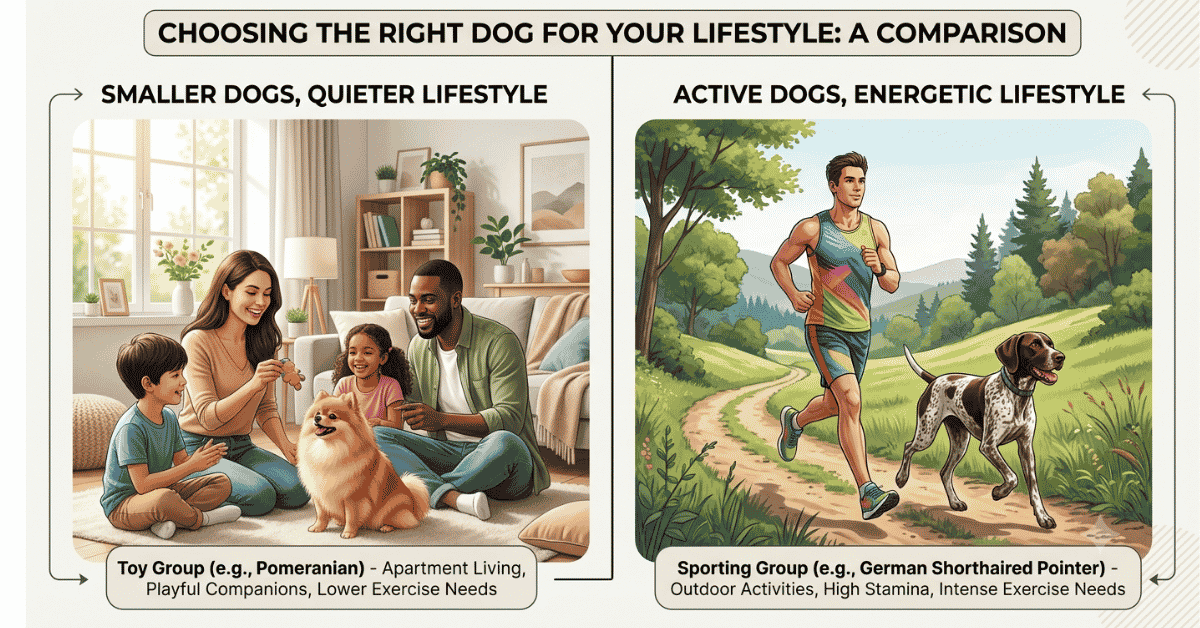
The seven-group system is more than a decorative tool for the show judge; it provides practical value for day-to-day pet owners in search of companionship.
Knowledge of the groups gives predictable indicators about tendencies. A Herding dog will inherently attempt to nip at the heels of running children, and a Terrier will have a naturally high prey drive around small pets.
The system also helps in outlining the exercise baselines. By way of example, a Sporting or Herding dog will almost always need far more physical exercise and mental stimulation than a toy group member affording buyers an opportunity to avoid throwing money away on living space Mismatch.
There you have it — The Story behind the Seven Group System.
In the end, the answer to why there are seven breed groups ultimately comes down to predictability. Kennel clubs have drafted a layout that gives us the ability to admire a dog’s genetic past whilst understanding, with great accuracy, what its needs and temperaments will be in our world today.
Passionate WordPress blogger sharing clear, helpful guides, simple tips, and practical ideas to help readers learn, grow, and succeed online.